Category: Blog

Your blog category

  • Best Educational Puzzle Books For Kids Ages 8-12

    Best Educational Puzzle Books For Kids Ages 8-12

    Finding a way to keep a preteen engaged without a screen can feel like a massive uphill battle. One minute they are deeply focused on a complex logic problem, and the next, they are wandering toward the iPad. If you are looking for a way to bridge that gap, puzzle books are a fantastic tool. They offer a way to sharpen the mind while providing a sense of quiet accomplishment that video games often lack.

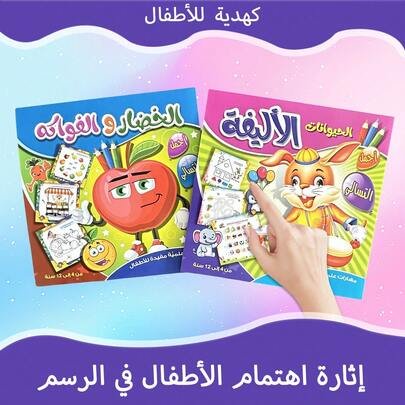
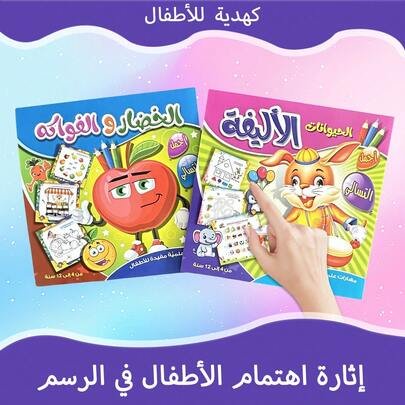
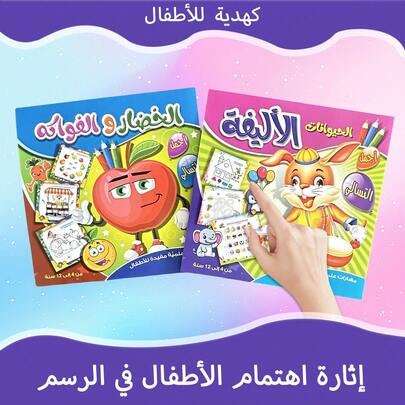
    Two Multifunctional Children's Educational Books, Including Arabic Coloring Book

    Between the ages of 8 and 12, kids are entering a developmental stage where their ability to think abstractly and handle complex instructions really starts to bloom. They aren’t just looking for simple shapes anymore; they want challenges that feel “grown-up.” This is the perfect time to introduce variety, ranging from math-based logic to linguistic riddles. I’ve spent a lot of time looking through different collections to find options that are both educational and genuinely fun, so let’s jump into what actually works for this age group.

    Why Puzzle Books Are More Than Just a Way to Pass Time

    When we talk about the benefits of puzzles, it isn’t just about preventing boredom. These books act as a workout for the brain. For an 8-to-12-year-old, the cognitive leaps are huge. They are moving from concrete operational thought to more formal, logical reasoning.

    Working through a difficult Sudoku or a cryptic word search helps with several key areas:

    • Problem-Solving Skills: Puzzles teach kids that if one strategy fails, they need to pivot and try a different angle.
    • far Pattern Recognition: Spotting sequences in math puzzles or hidden words in grids builds foundational literacy and numeracy.

    • Attention to Detail: One small oversight in a logic puzzle can ruin the whole result, which encourages a higher level of focus.
    • Patience and Resilience: Learning to sit with a difficult problem without getting frustrated is a life skill that carries over into schoolwork.

    Top Recommendations for Logic and Math Lovers

    If your child enjoys the satisfaction of “cracking the code,” you should look for books that focus on deduction. These types of puzzles are great for building mathematical literacy without feeling like a textbook.

    Sudoku and Number Grids

    Sudoku is a classic for a reason. For the 8-12 age range, I recommend starting with “Easy” or “Medium” difficulty levels. If the numbers are too sparse, they might get frustrated and quit. Look for books that include a few instructional pages at the beginning to teach the basic rules of elimination. It is a budget friendly way to introduce them to logical deduction.

    Logic Grid Puzzles

    These are slightly more complex. Instead of just numbers, kids have to use clues to determine which person lives in which house or which pet belongs to which child. It requires reading comprehension and deductive reasoning. These are excellent for kids who are transitioning into more advanced reading levels.

    Math Mazes and Arithmetic Challenges

    For the younger end of this bracket (ages 8 and 9), math mazes are a great way to practice multiplication and division. They follow a path of correct answers to reach the exit. It turns a standard math drill into a game, which significantly lowers the “math anxiety” many kids start to feel around this age.

    Wordplay and Linguistic Adventures

    Not every kid is a math whiz, and that is perfectly fine. If your child loves reading or storytelling, word-based puzzle books can be just as stimulating. These books help expand vocabulary and improve spelling in a way that feels like a scavenger hunt.

    Cryptograms and Code Breaking

    There is something incredibly satisfying about decoding a secret message. Cryptogram books use a simple substitution cipher where each letter is replaced by another. This is a fantastic way to keep them occupied during long car rides or rainy afternoons. It keeps the brain active and rewards persistence.

    Advanced Word Searches and Crosswords

    Avoid the “babyish” word searches. For kids aged 10-12, look for themed word searches—perhaps about space, history, or mythology. Crosswords are also great, but ensure they are age-appropriate. A crossword that is too difficult can feel like a chore rather than a hobby. The goal is to find that “sweet spot” of difficulty where they have to think, but they can still find the answers.

    Practical Tips for Parents

    As you browse through different options, keep a few practical things in mind to ensure the experience stays positive.

    Consider the Setting

    Think about where these books will be used. Are you looking for something for indoor vs outdoor use? A thick, heavy hardcover might be great for the kitchen table, but a lightweight, spiral-bound book is much better for travel or reading in the car. If they are using them during a flight, portability is key.

    Safety and Supervision

    While puzzle books are generally very safe, always check for age-appropriateness regarding content. Some “older” puzzle books might include themes or language that aren’t suitable for an 8-year-old. Additionally, if the books use small erasable markers or specialized pens, just keep an eye on them to prevent any messes on furniture.

    Mix Up the Difficulty

    I always suggest having at least two books at different difficulty levels. If they are having a “tough day” at school, a very easy puzzle book can be a relaxing way to unwind. On a weekend when they are feeling energetic and sharp, they can tackle the harder stuff. This prevents the frustration that leads to them abandoning the hobby altogether.

    Final Thoughts on Building a Puzzle Habit

    Introducing puzzle books into your child’s routine doesn’t have to be a grand gesture. It can be as simple as leaving a book on the coffee table or bringing one along on a weekend trip. The goal is to foster a sense of curiosity and a love for problem-solving.

    By choosing books that match their current skill level and interests, you are providing them with tools that build confidence and mental stamina. It is a small investment that pays off in much larger cognitive benefits as they grow.

    Ready to find the perfect challenge for your child? Start by checking out your local library or looking for highly-rated collections online to see which style resonates most with your kid’s personality!

    Our Top Picks

    Products we recommend:

    1. Sloth 24 Piece Kids Puzzle – Fun & Educational Puzzle for Ages 4+

    Sloth 24 Piece Kids Puzzle - Fun & Educational Puzzle for Ages 4+

    Sloth 24 Piece Kids Puzzle – Fun & Educational Puzzle for Ages 4+

    by DiscountMags.com

    $14.99

    Check Price →

    2. Colorful Wooden Kids Puzzle Toy – Educational Building Blocks for Ages 2-8
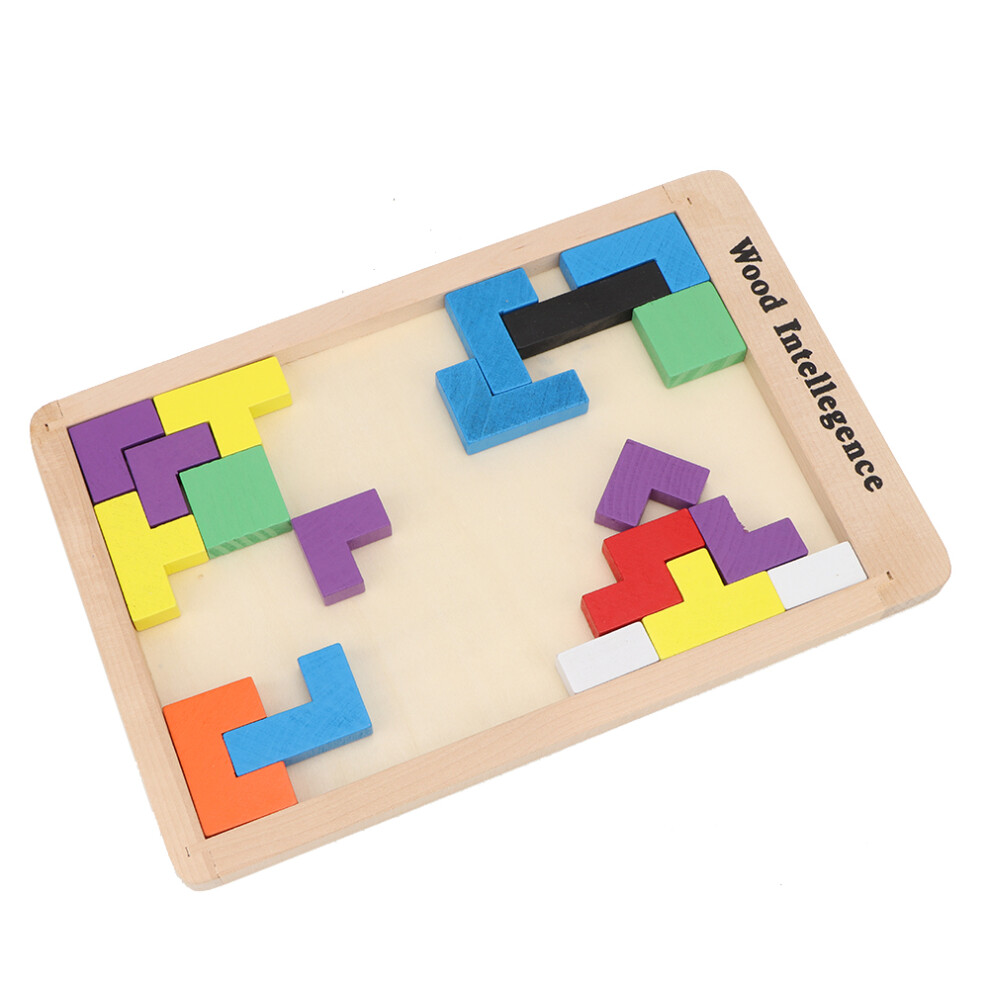
    Colorful Wooden Kids Puzzle Toy – Educational Building Blocks for Ages 2-8

    Colorful Wooden Kids Puzzle Toy – Educational Building Blocks for Ages 2-8

    by OnBuy.com

    $10.35

    Check Price →

    3. Halloween Coloring books for Kids ages 4-8: Halloween Coloring books for Kids ages 4-8

    Halloween Coloring books for Kids ages 4-8: Halloween Coloring books for Kids ages 4-8

    Halloween Coloring books for Kids ages 4-8: Halloween Coloring books for Kids ages 4-8

    by Indigo Books & Music

    $12.95
    Check Price →

  • Screen-Free Activities That Boost Concentration In Children

    Screen-Free Activities That Boost Concentration In Children

    We’ve all been there. You look over at your child, and they are completely mesmerized by a tablet, eyes glazed, fingers twitching rhythmically to a cartoon. While there is definitely a place for technology, many parents are noticing a common side effect: a shorter attention span and a struggle to focus on “bor a” tasks like homework or reading. It feels like their brains are constantly hunting for that next quick hit of dopamine that only a fast-paced video can provide.

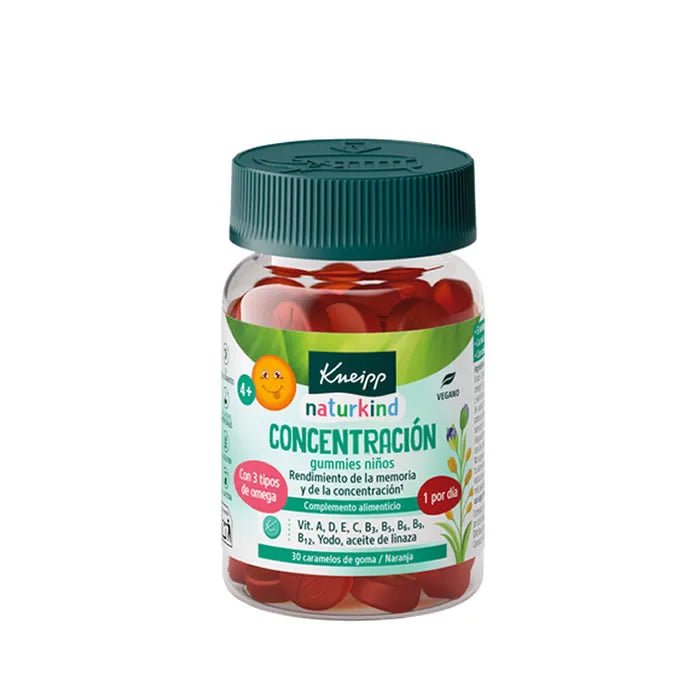
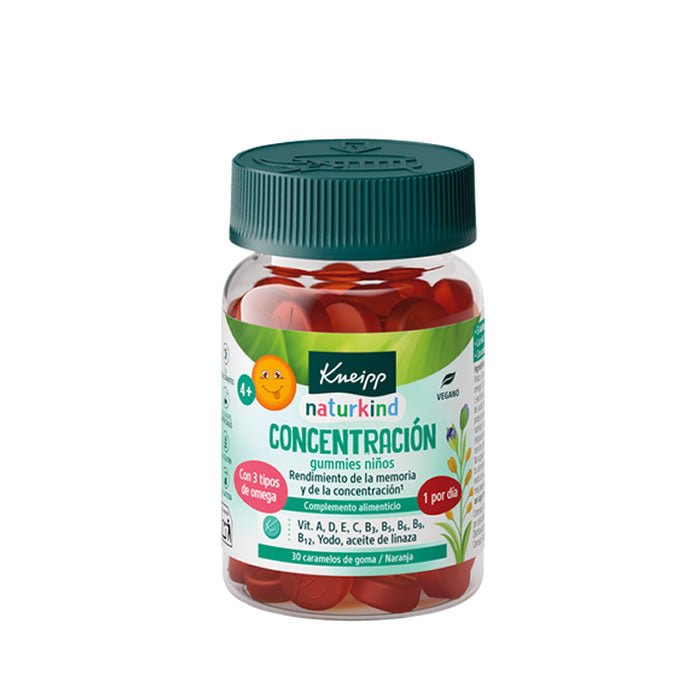
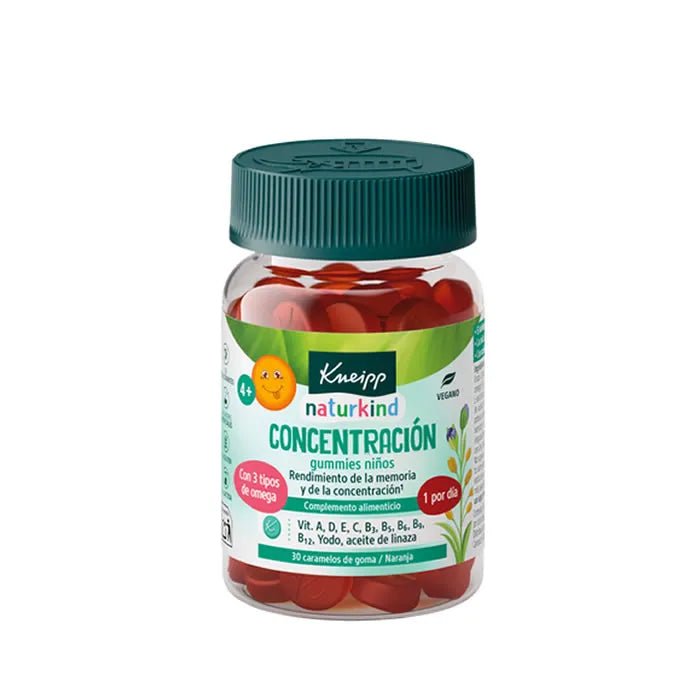
    Kneipp Children Concentration 30 Gummy Candies

    The good news is that concentration is a muscle. Just like physical strength, it can be trained and strengthened through intentional play. By introducing activities that require sustained attention, we can help kids learn how to quiet the mental noise and settle into a single task. The best part? Most of these ideas are budget friendly and don’t require any fancy equipment.

    Why Screen-Free Play Matters for Focus

    Digital media is designed to be stimulating. It uses bright colors, rapid scene changes, and instant rewards to keep a child engaged. While this is great for entertainment, it doesn’t require much cognitive effort. In contrast, offline activities often involve “slow” rewards. A child building a Lego tower or finishing a puzzle has to navigate frustration, plan steps, and maintain focus through much longer periods of time.

    When kids engage in tactile, hands-on play, they are practicing executive functions. These are the mental skills that help us manage time, follow instructions, and stay on track. By stepping away from the screen, we give their nervous systems a chance to regulate, making it much easier for them to concentrate when it actually matters, like during school hours.

    Hands-On Activities for Younger Children

    For our littlest ones, concentration looks a bit different. At this age, we aren’t looking for hour-long sessions of intense focus. Instead, we want to encourage activities that promote sensory exploration and fine motor skills. These are often the best for toddlers because they tap into natural curiosity.

    Sensory Bins and Tactile Play

    Sensory bins are a fantastic way to ground a child. Filling a container with rice, dried beans, or even water and small hidden objects encourages them to use their hands to search and discover. This type of repetitive, tactile movement can be incredibly soothing and helps build the foundation for sustained attention.

    Simple Sorting Games

    Give your toddler a muffin tin and a bowl of colorful buttons or large pom-poms. Asking them to sort the items by color or size is an age appropriate way to introduce logical thinking. It requires them to look closely at details and follow a simple rule, which is the very essence of concentration.

    Block Building and Stacking

    Whether it’s wooden blocks or soft stacking rings, building upward requires a steady hand and a focused mind. The “risk” of the tower falling keeps them engaged, and the physical coordination needed helps bridge the gap between physical movement and mental focus.

    Engaging Older Kids with Complex Tasks

    As children grow, their capacity for focus expands. They can handle more complexity, longer durations, and more frustration. For school-aged children, the goal is to move toward activities that involve multi-step processes and problem-solving.

    Puzzles and Jigsaw Challenges

    There is nothing quite like the satisfaction of finding that one missing piece. Puzzles are incredible for cognitive development because they require visual scanning, pattern recognition, and persistence. Start with smaller piece counts and gradually increase the difficulty as their stamina grows.

    Artistic Expression and Detailed Crafts

    Activities like coloring mandalas, beadwork, or even basic origami require a high level of precision. These “flow-state” activities are wonderful because they allow a child to lose themselves in a task. When a child is focused on threading a needle or painting a tiny detail, they are practicing the ability to ignore distractions.

    Board Games and Strategy Play

    Board games are a social way to build focus. Games like Chess, Checkers, or even modern strategy games require players to think several steps ahead and anticipate an opponent’s moves. This mental “simulation” is heavy lifting for the brain and teaches patience and impulse control.

    Outdoor Exploration and Nature Connection

    Nature provides a unique kind of stimulation that isn’t overwhelming. It is “soft fascination”—it captures attention without demanding the frantic, high-intensity response that a screen does. This type of environment is perfect for resetting a child’s attention span.

    • Scavenger Hunts: Create a list of items to find, such as “a jagged rock,” “a yellow leaf,” or “something smooth.” This forces them to observe their surroundings closely.
    • Nature Journaling: Provide a sketchbook and some crayons. Ask them to draw exactly what they see in a specific tree or insect. The act of observing closely to replicate details is a powerful concentration builder.
    • Gardening: Tending to a small patch of soil or even a single pot involves a long-term commitment. Watching a seed grow teaches the value of slow, steady progress.

    Safety Notes for Parents

    While these activities are wonderful, always keep safety at the forefront. When using small objects like beads or beans for sensory bins, ensure they are age appropriate to prevent choking hazards for younger siblings. If you are engaging in outdoor exploration, always supervise children near water or uneven terrain. The goal is to create a safe space where they feel free to experiment and focus without unnecessary risks.

    Building a Routine for Success

    You don’t need to overhaul your entire lifestyle to see the benefits. Start small. Perhaps you dedicate just twenty minutes after school to a “quiet box” filled with puzzles or coloring books. The key is consistency. By creating a predictable window of screen-free time, you are teaching your child that it is okay—and even enjoyable—to slow down.

    If you found these ideas helpful, why not try one this afternoon? Grab some old buttons or a deck of cards and see how long your little one can stay engaged. If you want more tips on fostering development through play, subscribe to our newsletter for weekly inspiration delivered straight to your inbox!

    Our Top Picks

    Products we recommend:

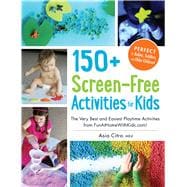
    1. 150+ Screen-Free Activities for Kids

    150+ Screen-Free Activities for Kids

    150+ Screen-Free Activities for Kids

    by Knetbooks.com

    $18.88

    Check Price →

    2. 150+ Screen-Free Activities for Kids (eBook)

    150+ Screen-Free Activities for Kids (eBook)

    150+ Screen-Free Activities for Kids (eBook)

    by VitalSource

    $13.99

    Check Price →

    3. Kneipp Children Concentration 30 Gummy Candies

    Kneipp Children Concentration 30 Gummy Candies

    Kneipp Children Concentration 30 Gummy Candies

    by Qathu – K-Beauty Store

    $23.00

    Check Price →

  • Screen-Free Activities That Boost Concentration In Children

    Screen-Free Activities That Boost Concentration In Children

    Ever feel like you’re competing with a glowing rectangle just to get your child to listen to a simple instruction? You aren’t alone. We see it every day: kids who can navigate a complex tablet game with lightning speed, yet struggle to sit still for a ten-minute story or finish a single coloring page. It’s frustrating, but it’s not necessarily a sign of a permanent attention deficit. Often, it’s just that digital stimulation provides a constant stream of dopamine hits that real-world tasks simply can’t match.

    Kneipp Children Concentration 30 Gummy Candies

    The good news is that we can help retrain those focus muscles. By introducing intentional, screen-free play, we can help kids practice sustained attention, patience, and deep thinking. The goal isn’t to ban technology entirely, but to balance it with activities that require a slower, more deliberate pace.

    Why focus matters for growing minds

    Concentration is a skill, much like riding a bike or tying shoelaces. It requires practice. When a child engages in an activity that doesn’t offer instant gratification, they are learning how to manage boredom and push through mental fatigue. This is a fundamental part of cognitive development.

    Activities that require “deep work”—even if it’s just building a Lego tower—help strengthen the prefrontal cortex. This area of the brain is responsible for executive functions like planning, impulse control, and task switching. When we provide opportunities for focused play, we are essentially giving their brain a workout that prepares them for school and life.

    Hands-on activities for toddlers and preschoolers

    For the youngest learners, concentration is all about sensory engagement. At this age, “focus” looks like staying with one sensation for a few minutes rather than running from one toy to the next. These activities are usually budget friendly because they often use items you already have in your pantry or recycling bin.

    Sensory bins and tactile play

    Fill a plastic tub with dried rice, beans, or even water. Hide small plastic animals or colorful beads inside. This type of play encourages fine motor skills and keeps little hands busy, which naturally extends their attention span. It is a great way to introduce “quiet time” without the pressure of a structured lesson.

    Sorting and categorizing

    Grab a muffin tin and a bowl of colorful buttons or different shaped pasta. Ask your toddler to sort them by color or size. This simple task requires visual discrimination and repetitive motion, both of which are excellent for building foundational concentration skills.

    Safety note for little ones

    Always supervise sensory play, especially when using small objects like beads or dried beans, to prevent choking hazards.

    Engaging older children with complex tasks

    As kids enter school age, their ability to focus can expand, but so does their desire for novelty. To keep them engaged, we need to offer challenges that feel rewarding. This is where we look at the balance of indoor vs outdoor options to keep things fresh.

    Puzzles and logic games

    Jigsaw puzzles are the gold standard for building patience. They require a child to observe small details, recognize patterns, and work toward a long-term goal. If a 100-piece puzzle feels too daunting, start smaller to ensure the experience remains positive and age appropriate.

    • Board Games: Strategy games like Chess or even simple classics like Snakes and Ladders teach turn-taking and following multi-step rules.
    • Solo Logic Puzzles: Sudoku for kids or Rubik’s Cubes provide that “aha!” moment that mimics the satisfaction of a digital win.

    Creative construction

    Building sets, whether they are wooden blocks, Magnetiles, or complex Lego kits, are incredible for concentration. Unlike a movie that plays for you, construction requires constant decision-making. They have to figure out how to balance a structure or where the next piece fits. This “problem-solving loop” is exactly what helps bridge the gap between short-term distraction and long-term focus.

    Artistic expression and detailed crafts

    Activities like watercolor painting, friendship bracelet making, or even clay modeling require a steady hand and a lot of presence. These tasks are inherently slow. You can’t rush a watercolor wash or a complex knot, and that forced slowness is exactly what helps reset a brain that is used to the high-speed scrolling of a smartphone.

    Outdoor adventures to reset the brain

    Sometimes, the best way to improve focus is to step away from the four walls of the house. Nature provides a type of “soft fascination” that is restorative. Unlike the “hard fascination” of a screen, which demands constant attention, nature allows the mind to wander while still staying anchored to the environment.

    Nature scavenger hunts

    Give your child a list of things to find: a jagged rock, a yellow leaf, a piece of bark, or a feather. This turns a simple walk into an active observation task. They aren’t just walking; they are scanning, analyzing, and searching. It turns the environment into a giant, interactive puzzle.

    Gardening and bug hunting

    Digging in the dirt or observing an ant colony requires a high level of observation. Gardening, in particular, is a long-term commitment. Watching a seed sprout and tending to a plant daily teaches the concept of delayed gratification—a core component of a focused mind.

    Finding the right balance

    It is easy to feel overwhelmed by the sheer number of options, but remember that you don’t need a room full of expensive toys to make this work. The most effective activities are often the simplest. The key is consistency. Try to establish a “tech-free” window every day—perhaps during dinner or the hour before bed—to allow the brain to settle.

    Don’t be discouraged if your child struggles to stay engaged at first. If they jump from the puzzle to the blocks within two minutes, that’s okay. They are still practicing. Over time, as they experience the satisfaction of completing a task without a screen, you will see their ability to concentrate grow naturally.

    If you’re looking for more ways to support your child’s development, check out our other guides on mindful parenting and educational play!

    Our Top Picks

    Products we recommend:

    1. 150+ Screen-Free Activities for Kids

    150+ Screen-Free Activities for Kids

    150+ Screen-Free Activities for Kids

    by eCampus.com

    $18.97

    Check Price →

    2. 150+ Screen-Free Activities for Kids

    150+ Screen-Free Activities for Kids

    150+ Screen-Free Activities for Kids

    by Knetbooks.com

    $12.22

    Check Price →

    3. 150+ Screen-Free Activities for Kids

    150+ Screen-Free Activities for Kids

    150+ Screen-Free Activities for Kids

    by BiggerBooks.com

    $12.71

    Check Price →

  • Best Educational Puzzle Books For Kids Ages 3-5

    Best Educational Puzzle Books For Kids Ages 3-5

    If you have ever sat on the floor with a preschooler, you know that “quiet time” is often anything but quiet. One minute they are zooming toy cars across the rug, and the next, they are asking why the sky is blue. Finding activities that actually hold their attention while helping them learn can feel like a constant search for hidden treasure. This is where puzzle books come in. Unlike a tablet screen that offers instant gratification, a good puzzle book invites a child to slow down, think, and solve a problem at their own pace.

    Two Multifunctional Children's Educational Books, Including Arabic Coloring Book

    Choosing the right books for this specific age group is tricky. You want something challenging enough to keep them from getting bored, but not so hard that they throw the book across the room in frustration. For kids between 3 and 5, the goal is to find materials that feel like play but are secretly building foundational skills like fine motor control, pattern recognition, and early literacy.

    Why puzzle books are great for preschool development

    At this age, a child’s brain is like a sponge, soaking up everything in their environment. Puzzles provide a structured way to practice cognitive skills without the pressure of a formal classroom setting. When a child works through a logic puzzle or a matching game, they are practicing several key areas of growth simultaneously.

    • Problem-solving skills: Navigating a maze or finding a hidden object requires kids to plan their moves and adjust when they hit a dead end.
    • Fine motor precision: Using a crayon to trace lines or connect dots strengthens the small muscles in their hands, which is essential for learning to write later on.
    • Concentration and focus: Completing a single page provides a sense of accomplishment that helps extend their attention span.
    • Visual discrimination: Learning to spot differences between two similar images helps with early reading skills, as they learn to distinguish between similar-looking letters.

    While these benefits are fantastic, it is helpful to remember that the primary goal for a 3-year-old is enjoyment. If the book feels too much like “work,” they will lose interest quickly. Look for books that use bright colors and familiar themes like animals, dinosaurs, or space.

    Top types of puzzle books for ages 3 to 5

    Not all puzzle books are created equal. Depending on your child’s specific interests and current skill level, you might want to mix and match different styles. Here is a breakdown of the most effective formats for this developmental stage.

    Dot-to-dot and tracing books

    These are arguably the best for toddlers who are just starting to master grip. Tracing books often feature large, easy-to-undestand shapes. They help bridge the gap between scribbling and purposeful drawing. As they move toward age five, you can transition to more complex dot-to-dots that require following a numerical sequence, which reinforces early math skills.

    Search and find adventures

    Think of these as the “Where’s Waldo” for younger kids. These books are incredibly educational because they encourage scanning and detail orientation. They ask the child to find specific items within a crowded, colorful scene. This type of activity is wonderful for building vocabulary as you name the objects they find together.

    Logic and pattern matching

    For the slightly older end of this range—around age 4 or 5—logic puzzles become much more engaging. These might involve completing a sequence (red circle, blue square, red circle…) or matching shadows to objects. These books are great for developing the “if/then” thinking that is so important for scientific and mathematical reasoning.

    Mazes and path-finding

    Mazes are a classic for a reason. They provide a clear beginning and end, which gives a child a tangible sense of victory. For a 3-year-old, look for wide, simple paths. For a 5-year-old, you can introduce more twists and turns to keep them engaged.

    What to look for when shopping

    When you are browsing the aisles or scrolling through online shops, keep a few practical things in mind to ensure the book is age appropriate for your little one.

    1. Paper thickness: Preschoolers can be heavy-handed. Look for books with thicker paper or even “wipe-clean” laminated pages that allow for repeated use with a dry-erase marker.
    2. Complexity level: Check the back cover or sample pages. If the instructions look too wordy, your child will likely need you to sit with them for every single page.
    3. Instruction clarity: The best books use visual cues rather than long paragraphs of text. A small icon of a pencil or a magnifying glass tells the child exactly what to do.
    4. Variety: A book that only features one type of puzzle might get old quickly. Look for “activity books” that mix mazes, coloring, and stickers.

    A quick note on safety

    While books are generally very safe, always keep an eye on any included accessories. If a puzzle book comes with small stickers or loose pieces, ensure they are large enough that they don’t pose a choking hazard for younger siblings. Additionally, always supervise very young children when using markers or crayons to ensure they aren’t attempting to use them in ways they shouldn’t.

    How to make puzzle time more engaging

    You don’t have to just hand over a book and walk away. You can turn these activities into a shared bonding experience. Try sitting next to them and narrating what you see. If they are stuck on a maze, instead of giving the answer, ask, “I wonder what happens if we try to go this way instead?” This encourages them to think critically rather than just following your lead.

    You can also use these books to integrate other learning areas. If they are doing a dot-to-dot, count the dots out loud together. If they are finding animals, talk about the sounds those animals make. This turns a simple workbook into a multi-sensory learning session.

    Ultimately, the best puzzle book is the one that makes your child excited to pick it up. Whether they are mastering their first shapes or navigating their first complex maze, these little books are wonderful tools for growth. If you’re looking to expand your child’s library, start by observing what they naturally gravitate toward—is it animals, numbers, or searching for hidden objects? Once you know their interest, finding the perfect companion for their learning journey becomes much easier.

    Ready to find the perfect activity for your little learner? Check out our curated collection of activity books and start your next adventure today!

    Our Top Picks

    Products we recommend:

    1. Wooden Chess Toy for Kids, Educational Memory Puzzle, Ages 5+

    Wooden Chess Toy for Kids, Educational Memory Puzzle, Ages 5+

    Wooden Chess Toy for Kids, Educational Memory Puzzle, Ages 5+

    by OnBuy.com

    $19.40

    Check Price →

    2. Sloth 24 Piece Kids Puzzle – Fun & Educational Puzzle for Ages 4+

    Sloth 24 Piece Kids Puzzle - Fun & Educational Puzzle for Ages 4+

    Sloth 24 Piece Kids Puzzle – Fun & Educational Puzzle for Ages 4+

    by DiscountMags.com

    $14.99

    Check Price →

    3. Kids^3D Dinosaur Puzzle Educational Toy for Ages 5+ Bright Colourful Design

    Kids^3D Dinosaur Puzzle Educational Toy for Ages 5+ Bright Colourful Design

    Kids^3D Dinosaur Puzzle Educational Toy for Ages 5+ Bright Colourful Design

    by OnBuy EU

    $47.24

    Check Price →

  • How Word Search Puzzles Help Kids Learn Vocabulary

    How Word Search Puzzles Help Kids Learn Vocabulary

    Remember those rainy afternoons when the only thing to do was sit by the window and stare at the clouds? For many of us, those moments were saved by a crumpled newspaper or a worn-out puzzle book. While we might have just been looking for a way to pass the time, we were actually doing something much more significant for our brains. For children, word search puzzles act as a quiet, engaging way to build language skills without the pressure of a formal classroom setting.

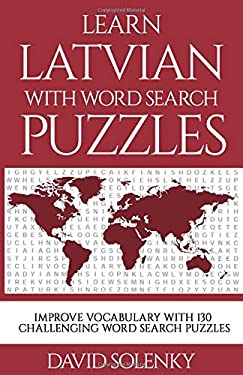
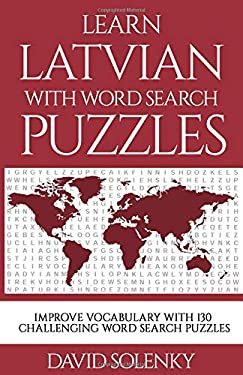
    Learn Latvian with Word Search Puzzles: Learn Latvian Language Vocabulary with C

    If you are looking for a budget friendly way to boost your child’s literacy, you don”t need expensive software or subscription-based learning apps. Sometimes, a simple grid of letters and a highlighter are all it takes to spark a love for reading. Let’s look at how these simple games actually function as a tool for language development.

    The mechanics of vocabulary building through puzzles

    At first glance, a word search looks like a simple hunting game. However, underneath the surface, several cognitive processes are happening simultaneously. When a child scans a grid, they aren’t just looking for shapes; they are engaging in active pattern recognition.

    One of the primary ways this helps is through orthographic processing. This is a fancy way of saying that children learn to recognize the specific arrangement of letters that form a word. By repeatedly seeing “elephant” or “astronomy” spelled out in a grid, the visual memory of that word’s structure becomes much stronger. This helps reduce spelling errors in their daily writing.

    Strengthening letter-sound connections

    As kids hunt for words, they often whisper the letters or the full word to themselves. This auditory repetition reinforces the connection between the written symbol and the sound it makes. It turns a passive reading experience into an active, multisensory one. This is particularly helpful for younger learners who are still transitioning from phonics to full-word recognition.

    Expanding word familiarity

    Word searches allow children to encounter “low-frequency” words—words they might not use in everyday conversation but are essential for reading comprehension. Whether the theme is “Marine Life” or “Space Exploration,” the puzzle introduces them to specialized terminology in a non-intunes way. Because the word is already provided in a list, the child doesn’t feel the frustration of not knowing the word; instead, they feel the satisfaction of finding it.

    Cognitive benefits beyond just spelling

    While vocabulary is the main star, the mental workout provided by word searches extends to other areas of development. These puzzles require a high level of focus and visual discrimination, which are foundational skills for all types of academic learning.

    • Improved concentration: Finding a hidden word requires sustained attention. In a world of short-form videos and quick distractions, sitting with a single task for ten minutes is excellent practice for a child’s attention span.
    • Visual scanning skills: The ability to move eyes systematically across a page is a skill used in everything from reading a textbook to navigating a busy street.
    • Problem-solving stamina: When a child can’t find a word, they have to change their strategy—looking vertically instead of horizontally or checking the corners. This teaches them to approach challenges from different angles.

    Developing patience and persistence

    Not every word is found immediately. There is a certain level of “productive frustration” involved in a good puzzle. Learning to stay calm and keep searching when a word is elusive helps build emotional resilience. It teaches them that the reward—the satisfaction of circling that last word—is worth the effort of the hunt.

    Tailoring puzzles to different age groups

    To keep these activities educational and fun, it is vital to match the difficulty level to your child’s current developmental stage. A puzzle that is too easy will lead to boredom, while one that is too hard will cause unnecessary frustration.

    Preschool and Kindergarten (Ages 4-6)

    At this stage, keep the grids small—perhaps 5×5 or 6×6. Focus on very short words (3-4 letters) and limit the directions to just horizontal and vertical. Use themes they are currently obsessed with, like dinosaurs or colors, to keep them engaged.

    Early Elementary (Ages 7-9)

    This is the sweet spot for word searches. You can introduce diagonal words and slightly larger grids. This is a great time to introduce “challenge words” that might be slightly above their current reading level to stretch their vocabulary.

    Upper Elementary and Middle School (Ages 10+)

    For older kids, the challenge should come from the complexity of the themes and the density of the grid. You might use words related to science, history, or literature. At this age, you can even create custom puzzles using vocabulary words they are currently studying in school to help them study for tests.

    Safety and screen-time considerations

    While digital word search apps are available, there is a distinct advantage to using paper-based puzzles. Physical puzzles provide a much-needed break from blue light and help develop fine motor skills through the use of pencils and highlighters. If you do choose digital options, ensure they are ad-free and do not contain in-app purchases that could lead to accidental spending.

    Furthermore, when choosing themed puzzles, always consider the content. Ensure the vocabulary is age-appropriate and avoids any sensitive or overly complex topics that might confuse a younger child. The goal is to create a safe, low-stress environment for learning.

    Practical tips for parents and teachers

    If you want to make these puzzles even more effective, try integrating them into your daily routine. Here are a few ways to maximize the learning potential:

    1. The “Definition Challenge”: After finding a word, ask your child if they know what it means. If they don’t, look it up together in a dictionary.
    2. Sentence Building: Once a word is found, challenge them to use it in a complete, grammatically correct sentence.
    3. Create your own: Use an online generator to create a custom puzzle using their weekly spelling list. This makes “studying” feel like a game.
    4. Indoor vs outdoor play: Use word searches as a “calm down” activity during indoor time, or take a printed puzzle on a long car ride or a picnic to keep their minds active during downtime.

    Using these puzzles doesn’t require a massive time commitment. Even five or ten minutes a day can make a noticeable difference in how a child interacts with language. It is a simple, effective tool that turns a quiet moment into a significant learning opportunity.

    Are you looking for more ways to support your child’s literacy journey? Check out our other guides on creative reading strategies and fun educational activities you can do at home!

    Our Top Picks

    Products we recommend:

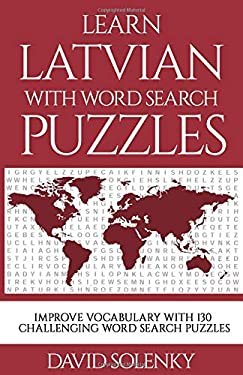
    1. Learn Latvian with Word Search Puzzles: Learn Latvian Language Vocabulary with Challenging Word Find Puzzles for All Ages by David Solenky (Paperback)

    Learn Latvian with Word Search Puzzles: Learn Latvian Language Vocabulary with Challenging Word Find Puzzles for All Ages by David Solenky (Paperback)

    Learn Latvian with Word Search Puzzles: Learn Latvian Language Vocabulary with Challenging Word Find Puzzles for All Ages by David Solenky (Paperback)

    by BetterWorld.com – New, Used, Rare Books & Textbooks

    $5.73

    Check Price →

    2. Tarot Word Search: 78 Puzzles to Help You Learn the Meanings to the Cards

    Tarot Word Search: 78 Puzzles to Help You Learn the Meanings to the Cards

    Tarot Word Search: 78 Puzzles to Help You Learn the Meanings to the Cards

    by Indigo Books & Music

    $12.95

    Check Price →

    3. Word Search Puzzles

    Word Search Puzzles

    Word Search Puzzles

    by Knetbooks.com

    $9.93

    Check Price →

  • Fun Rainy Day Activities For Children

    Fun Rainy Day Activities For Children

    We have all been there. You wake up, look out the window, and see nothing but gray skies and a steady drizzle. The excitement for the planned trip to the park evaporates instantly, replaced by that familiar feeling of dread. How are you going to keep the kids entertained for the next six hours without turning into a professional screen-time manager or losing your mind to the chaos of a restless household?

    The truth is, a rainy day doesn’t have to be a write-off. While the lack of outdoor play options can be frustrating, it actually presents a unique opportunity to slow down and engage in activities that aren’t possible when the sun is shining. Whether you are looking for something high-energy to burn off steam or a quiet way to settle them down for a nap, there is a way to make the indoors feel just as adventurous as the backyard.

    Creative ways to spark imagination

    When the weather keeps us inside, our living rooms can transform into anything we want them to be. Creative play is one of the best ways to keep children occupied because it requires very little setup and relies entirely on their own wits.

    Building indoor forts

    There is something timeless about a blanket fort. It is a simple way to change the environment of your home. Grab every pillow, sheet, and clothespin you can find. For toddlers, a simple tent made of a large sheet provides a cozy nook for reading. For older kids, you can challenge them to build a multi-room structure that spans the entire sofa.

    Developmental benefits: This type of play helps with spatial awareness and problem-solving as they figure out how to balance heavy blankets without the structure collapsing.

    The ultimate DIY art station

    Instead of just handing them a single piece of paper, set up a rotating art station. You can try salt painting, where kids use glue to draw designs, sprinkle salt over it, and then drop liquid watercolors onto the salt to watch the colors spread. It is visually stunning and keeps them focused for a long time.

    If you have older children, try a “collaborative canvas” where everyone in the family adds one element to a large piece of paper every ten minutes. It encourages cooperation rather than competition.

    Active indoor games to burn energy

    One of the hardest parts of a rainy day is the physical restlessness. If they don’0t move, they don’t sleep. While we have to consider the indoor vs outdoor limitations regarding space and furniture, we can still get their heart rates up.

    Obstacle courses

    You don’t need fancy gym equipment to create a challenge. Use painter’s tape on the carpet to create “balance beams,” crawl under dining chairs, and jump over stuffed animal “lava pits.” This is a highly age appropriate activity that can be scaled in difficulty. For a three-year-old, it might just be walking a straight line; for a ten-year-old, you can add a timer to make it a race.

    Indoor scavenger hunts

    Scavenger hunts are a lifesaver because they provide a structured way to move around the house. You can make these educational by changing the requirements:

    • For Toddlers: Find something blue, something soft, and something round.
    • For Preschoolers: Find something that starts with the letter “B” or something that lives in the kitchen.
    • For Older Kids: Create a riddle-based hunt where they have to solve a clue to find the next location.

    Quiet and educational pursuits

    Once the initial burst of energy has subsided, you might want to transition into something more sedentary. This is the perfect time to introduce activities that require deep focus and quiet concentration.

    Kitchen science experiments

    The kitchen is essentially a laboratory waiting to happen. Simple experiments like making “Oobleck” (cornstarch and water) or a baking soda and vinegar volcano are incredibly engaging. These activities are great for teaching basic scientific principles in a hands-on way.

    Safety note: Always supervise young children during science experiments, especially when using materials like baking soda or food coloring, to prevent messes or accidental ingestion of non-food items.

    Board games and strategy play

    Dust off those classic board games. While digital games are easy, nothing beats the tactile nature of a physical board game. For younger kids, simple matching games or “Candy Land” work well. For older children, strategy-based games like Chess or Settlers of Catan can provide hours of mental stimulation and teach them about patience and long-term planning.

    Organizing your rainy day toolkit

    To avoid the stress of deciding what to do every time it rains, I recommend keeping a “Rainy Day Bin” tucked away in a closet. This bin should contain items that aren’t used daily but are perfect for emergencies. Think of things like:

    • New coloring books or stickers
    • A deck of cards
    • Modeling clay or Play-Doh
    • A small set of building blocks
    • Puzzles of varying difficulty

    Having these ready to go means you can pivot from “boredom” to “activity” in less than five minutes. It removes the mental load from you as a parent and gives the kids a sense of excitement when they see the bin come out.

    Rainy days are a natural pause in our busy lives. While they can feel disruptive, they are also a chance to connect with your children in ways that a sunny, scheduled day doesn’t allow. So, next time the clouds roll in, don’t see it as a problem to solve, but as an invitation to play.

    What is your go-to rainy day activity? Share your favorite ideas in the comments below—we would love to hear how you keep the fun going!

    Our Top Picks

    Products we recommend:

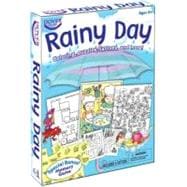
    1. Reco World of Children Rainy Day Fun – No Box

    Reco World of Children Rainy Day Fun - No Box

    Reco World of Children Rainy Day Fun – No Box

    by Replacements Ltd.

    $5.99

    Check Price →

    2. Rainy Day Fun Kit

    Rainy Day Fun Kit

    Rainy Day Fun Kit

    by eCampus.com

    $18.10

    Check Price →

    3. Rainy Day Fun Kit

    Rainy Day Fun Kit

    Rainy Day Fun Kit

    by Knetbooks.com

    $18.01

    Check Price →

  • How Word Search Puzzles Help Kids Learn Vocabulary

    How Word Search Puzzles Help Kids Learn Vocabulary

    We have all been there. It is a rainy Tuesday afternoon, the kids are bouncing off the walls, and you are desperately searching for something to keep them occupied that doesn’t involve a screen. You want something that feels like play but actually does some heavy lifting for their brain development. Enter the humble word search puzzle. While it might look like just a way to pass the time, these grids of letters are actually sneaky little tools for language growth.

    Learn Latvian with Word Search Puzzles: Learn Latvian Language Vocabulary with C

    As parents or educators, we often focus on flashcards or repetitive reading exercises to build a child’s lexicon. Those have their place, but they can feel like chores. Word searches, on the otherకి side, turn the “work” of learning into a scavenger hunt. When a child finds a hidden word, they aren’t just checking a box; they are engaging in a complex cognitive process that reinforces how letters form meaningful units of language.

    Why word searches work for language development

    Learning new words is about more than just memorizing a definition. It involves recognition, spelling, and contextual understanding. Word searches hit all these marks simultaneously. When a child scans a grid, their eyes are performing “visual tracking,” a skill essential for reading fluency. They are scanning left to right, top to bottom, and even diagonally, which trains the eye to move smoothly across a page of text.

    Beyond the physical act of looking, there is a deep level of pattern recognition happening. To find the word “elephant,” a child has to recognize the specific sequence of E-L-E-P-H-A-N-T. This reinforces spelling accuracy without the boredom of a spelling test. Because the word is embedded in a sea of other letters, the brain has to work harder to isolate the target sequence, creating stronger neural pathways associated with that specific word.

    Strengthening spelling and letter recognition

    Spelling is often one of the biggest hurdles in early literacy. Word searches provide a low-pressure environment to practice. If a child finds “garden” but realizes they missed the ‘n’, they have to go back and re-scan. This self-correction is a vital part of the learning process. They are seeing the letters in a non-linear way, which helps them move away from simple rote memorization toward true visual literacy.

    For younger learners, this is particularly helpful for distinguishing between similar-looking letters like ‘b’ and ‘d’ or ‘p’ and ‘q’. Seeing these characters repeated in various positions within a grid helps solidify their identity in the child’s mind.

    Cognitive benefits beyond just vocabulary

    While we are focused on words, these puzzles offer a much wider range of developmental perks. It isn’t just about the dictionary; it is about how the brain processes information under pressure.

    • Improved Concentration: Completing a puzzle requires sustained attention. In an era of short-form videos, practicing the ability to focus on a single task for ten or fifteen minutes is a massive win for a child’s executive function.
    • – Problem-Solving Skills: Deciding which direction to scan next or how to eliminate “decoy” words builds logical reasoning.

      – Pattern Recognition: Identifying shapes, sequences, and clusters of letters sharpens the analytical part of the brain.

      – Stress Reduction: For many kids, the repetitive, rhythmic nature of searching can be quite soothing, making it a great way to decompress after a long school day.

    Boosting working memory

    Working memory is the ability to hold information in your mind while performing a task. When a child is searching for a word, they have to keep the sequence of letters in their head while simultaneously scanning the grid. They can’t just look for the letter ‘A’; they have to look for ‘A’, then ‘P’, then ‘P’, then ‘L’, and so on. This mental juggling act is an educational workout for the brain’s ability to retain and manipulate data.

    Tailoring puzzles to different age groups

    Not all word searches are created equal. To keep a child from getting frustrated or bored, you need to pick the right level of difficulty. What works for a preschooler will be a total snooze-fest for a fifth grader.

    Preschool and Kindergarten

    At this stage, we are looking for something best for toddlers and early learners. The grids should be very small, perhaps only 5×5 or 6×6, and the words should be very short (3-4 letters). Instead of long lists, use words that represent things they can see, like “cat,” “sun,” or “dog.” The goal here isn’t complex vocabulary; it’s simple letter recognition and the joy of finding a “hidden” object.

    Elementary School (Ages 6-9)

    This is the sweet spot for thematic puzzles. You can introduce themes like “Space,” “Under the Sea,” or “Dinosaurs.” This adds a layer of topical learning to the activity. At this age, you can introduce words that are slightly more challenging and include diagonal or backwards words to increase the difficulty. This is where the spelling benefits really start to shine.

    Upper Elementary and Middle School (Ages 10+)

    For older kids, the challenge should come from the complexity of the vocabulary and the density of the grid. You can use academic terms from their science or history lessons. This turns the puzzle into a great study tool. If they are studying the American Revolution, a word search featuring names like “Revere” or “Lexington” can help familiarize them with the terms before a test.

    Safety and practical tips for parents

    While word searches are a safe, sedentary activity, there are a few things to keep in mind to ensure they remain a positive experience.

    First, consider the environment. While we often think of these as indoor vs outdoor activities, they are perfect for long car rides, waiting rooms, or quiet time at home. However, if you are using physical workbooks, ensure the child has good lighting to prevent eye strain. If your child is prone to frustration, always sit with them for the first few rounds to model how to scan the grid effectively.

    Second, keep an eye on content. If you are downloading puzzles from the internet, ensure they are age-appropriate and free from distracting or inappropriate advertisements. Using curated educational workbooks is usually a safer bet for peace of mind.

    Lastly, don’t turn it into a competition. The goal is to foster a love for language, not to create anxiety about speed. Let them take as long as they need. The “win” is the moment they spot that hidden word and feel that burst of pride.

    Making it a regular habit

    Integrating word searches into your daily routine doesn’t require much effort. You don’t need a dedicated “lesson time.” Instead, keep a folder of different difficulty levels in the living room or in their backpack. Make it a part of their “wind-down” time before bed or a reward for finishing homework.

    By making these puzzles a regular part of their lives, you are helping them build a much stronger foundation for reading, spelling, and critical thinking—all while they think they are just playing a game.

    Ready to boost your child’s vocabulary? Start by picking a theme they love—whether it’s animals, planets, or superheroes—and find a puzzle that matches their current skill level today!

    Our Top Picks

    Products we recommend:

    1. Learn Latvian with Word Search Puzzles: Learn Latvian Language Vocabulary with Challenging Word Find Puzzles for All Ages by David Solenky (Paperback)

    Learn Latvian with Word Search Puzzles: Learn Latvian Language Vocabulary with Challenging Word Find Puzzles for All Ages by David Solenky (Paperback)

    Learn Latvian with Word Search Puzzles: Learn Latvian Language Vocabulary with Challenging Word Find Puzzles for All Ages by David Solenky (Paperback)

    by BetterWorld.com – New, Used, Rare Books & Textbooks

    $5.73

    Check Price →

    2. Tarot Word Search: 78 Puzzles to Help You Learn the Meanings to the Cards

    Tarot Word Search: 78 Puzzles to Help You Learn the Meanings to the Cards

    Tarot Word Search: 78 Puzzles to Help You Learn the Meanings to the Cards

    by Indigo Books & Music

    $12.95
    Check Price →

    3. Word Search Puzzles

    Word Search Puzzles

    Word Search Puzzles

    by Knetbooks.com

    $10.44

    Check Price →

  • Diy Learning Games Parents Can Make At Home

    Diy Learning Games Parents Can Make At Home

    We have all been there: it is a rainy Tuesday afternoon, the kids are bouncing off the walls, and you realize you have run out of screen time options. You want to do something productive, but the idea of buying a brand-new, expensive educational toy kit feels a bit much for a random weekday. The good news is that some of the most effective ways to help your child learn don’t involve a trip to the toy store at all.

    Learning Games

    In fact, some of the most impactful learning happens when we use what we already have in our junk drawers, pantries, and recycling bins. Making your own games is not just a budget friendly way to pass the time; it also allows you to tailor the difficulty to exactly where your child is at developmentally. Whether you are looking to sharpen math skills or work on fine motor control, a little bit of creativity goes a longed way.

    Why DIY games work so well

    When you create a game with your child, you are actually adding an extra layer of engagement. They aren’t just playing a game; they are participating in the creation of it. This sense of ownership often leads to longer periods of focused play. Beyond the fun, these activities target specific developmental milestones without the pressure of a “lesson.”

    Using household items also teaches resourcefulness. Seeing a cardboard egg carton transformed into a counting tool shows kids that creativity can turn ordinary objects into something extraordinary. It turns playtime into a lesson in problem-solving and environmental awareness.

    Games for the littlest learners (Ages 1-3)

    For toddlers, learning is all about sensory input and developing those tiny hand muscles. At this age, the goal is simple: exploration and recognition. These activities are best for toddlers who are just starting to understand shapes, colors, and textures.

    The Sensory Treasure Hunt

    You likely already have everything you need for this one. Grab a large plastic container or a shallow bin and fill it with rice, dried beans, or even oatmeal. Hide small, safe objects inside—like large colorful buttons, plastic animals, or chunky wooden blocks.

    • How to play: Ask your toddler to find “the blue dinosaur” or “the round button.”
    • Developmental benefit: This builds fine motor skills and introduces basic vocabulary and object permanence.
    • Safety note: Always supervise closely with small items to prevent choking hazards.

    Color Sorting with Muffin Tins

    If you have an old muffin tin and some colorful items like pom-poms, scraps of fabric, or even colored pasta, you have a sorting station. This is a fantastic way to introduce the concept of categorization.

    Place a small piece of colored paper at the bottom of each muffin cup. Then, have your child place the matching colored object into the corresponding cup. It is simple, tactile, and incredibly satisfying for a little one to see the colors match up.

    Engaging preschool and kindergarten ages (Ages 4-6)

    As children move into the preschool years, their cognitive abilities expand. They are starting to understand numbers, letters, and basic logic. This is where you can introduce more complex rules and structured gameplay.

    DIY Alphabet Soup

    This is a wonderful educational activity that turns a boring spelling lesson into a kitchen adventure. You will need a bowl, some water, and plastic magnetic letters (or even just scraps of paper with letters written on them).

    1. Fill a bowl with water and drop in the letters.
    2. Give your child a slotted spoon or a small net.
    3. Ask them to “fish” for a specific letter or to find all the vowels.

    This helps with letter recognition and keeps them engaged through the sensory experience of playing with water.

    Number Matchup with Cardboard Eggs

    An empty egg carton is a goldmine for math games. Write numbers 1 through 12 in the bottom of each egg slot. Then, gather a handful of small items like pebbles, beads, or dried pasta.

    The challenge is for the child to place the correct number of items into each slot. This moves them from simple counting to understanding quantity. It is a concrete way to visualize what “five” actually looks like compared to “two.”

    Boosting skills for school-aged kids (Ages 7+)

    Older children need more of a challenge to stay interested. At this stage, we can move away from simple recognition and toward logic, strategy, and more advanced math.

    The Homemade Board Game

    This is perhaps the ultimate DIY project. Grab a piece of heavy cardboard, some markers, and some old buttons or coins to use as player pieces. Let your child help you design the “map.”

    The rules can be as simple or as complex as you like. You can include “chance” squares where they have to answer a math problem or a trivia question to stay on their spot. This encourages critical thinking and strategic planning as they decide how to handle the board.

    DIY Scavenger Hunt Riddles

    Instead of just telling them to “find a spoon,” write out rhyming clues that lead them from one location to the next. For example: “I have a handle and I am very cold, look inside me for a clue that is bold” (The Fridge).

    This promotes reading comprehension and deductive reasoning. It turns the entire house into a playground of logic puzzles.

    Safety first: A quick reminder

    While DIY games are wonderful, safety should always be your priority. If you are using small items like beads, buttons, or dried beans, ensure they are age-appropriate for your child. Never leave a young child unattended with small objects that could pose a choking risk. Additionally, if you are using art supplies like glue or paint, make sure they are non-toxic and easy to clean up.

    Keep it simple and have fun

    The biggest mistake we can make is overcomplicating the setup. You don’t need a perfect, Pinterest-worthy craft station to make a great memory. The goal is connection and learning, not perfection. If the game falls apart after ten minutes, that is okay. The point was the engagement and the shared experience.

    Next time you feel that afternoon slump hitting, look around your kitchen or your craft drawer. There is likely a great learning opportunity waiting to be discovered right in front of you. Grab some tape, some markers, and some recycled cardboard, and start creating!

    Want more practical tips for home learning? Subscribe to our weekly newsletter for new DIY activity ideas delivered straight to your inbox!

    Our Top Picks

    Products we recommend:

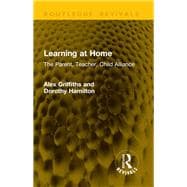
    1. Learning at Home

    Learning at Home

    Learning at Home

    by Knetbooks.com

    $109.34

    Check Price →

    2. Learning at Home

    Learning at Home

    Learning at Home

    by BiggerBooks.com

    $77.33

    Check Price →

    3. Learning at Home

    Learning at Home

    Learning at Home

    by eCampus.com

    $109.89

    Check Price →

  • Best Educational Puzzle Books For Kids Ages 6-10

    Best Educational Puzzle Books For Kids Ages 6-10

    We have all been there. It is a rainy Tuesday afternoon, the tablets are starting to feel a bit too much like a “brain drain,” and you are looking for something to keep your child occupied that doesn’t involve a screen. You want them to be entertained, but you also want them to be learning. Finding that sweet spot between a boring worksheet and a mindless video game can feel like a mission, but the answer is often sitting right on your bookshelf.

    Two Multifunctional Children's Educational Books, Including Arabic Coloring Book

    Puzzle books are a fantastic middle ground. They offer the satisfaction of solving a mystery or completing a pattern while quietly building those essential cognitive muscles. For kids in the 6-

    to-10 age range, their brains are undergoing massive changes. They are moving from simple recognition to complex logic, and the right book can help bridge that gap. Let’s look at some of the best options to help your little one stay sharp and engaged.

    Why Puzzle Books are Better Than Screen Time

    While digital games have their place, physical puzzle books offer a tactile experience that screens simply cannot replicate. When a child holds a pencil, circles a word, or traces a path, they are engaging their fine motor skills alongside their cognitive abilities. This physical connection helps with memory retention and focus.

    Beyond the physical aspect, these books help develop several key areas of growth:

    • Problem-solving stamina: Unlike a quick-fire mobile game, a good puzzle book encourages kids to sit with a challenge, try different approaches, and persevere until they find the solution.
    • Attention to detail: Spotting the difference or finding a hidden object requires a level of scrutiny that trains the eye to notice small nuances.
    • Vocabulary and literacy: Word searches and crosswords introduce new terminology in a way that feels like play rather than study.
    • pretty.

    • Mathematical reasoning: Sudoku and logic grids introduce foundational math concepts like patterns and spatial awareness.

    Top Picks for 6 to 7 Year Olds: Building Foundations

    At this age, children are transitioning into more formal schooling. They are learning to read more fluently and are beginning to grasp basic addition and subtraction. The goal here is to find books that are age appropriate—nothing too frustrating, but nothing so easy that they lose interest immediately.

    Word Searches and Hidden Pictures

    For the younger end of this bracket, visual puzzles are king. Look for books that feature large print and vibrant illustrations. “Where’s Waldo?” style books are excellent because they encourage scanning and visual discrimination. These are great for quiet time during a long car ride or while waiting at a doctor’s office.

    Simple Mazes and Dot-to-Dots

    Mazes are wonderful for developing spatial reasoning. A child has to plan their route ahead of time, which is a great precursor to logical planning. Dot-to-dots are also a winner because they reinforce number sequencing in a way that results in a rewarding picture at the end.

    Top Picks for 8 to 10 Year Olds: The Logic Leap

    Once a child hits age eight, they are often ready for much more complex mental gymnastics. This is the age where you can introduce “brain teasers” that require multi-step thinking. They can handle more text and more intricate patterns.

    Logic Grids and Sudoku

    If your child enjoys patterns, Sudoku is a brilliant introduction to deductive reasoning. It isn’t actually about math; it is about logic and placement. Similarly, logic grid puzzles—where you use clues to determine which person owns which pet—are incredibly satisfying for kids who love a good mystery. These books help them learn how to organize information and rule out possibilities.

    Cryptograms and Decoders

    Kids this age often love secrets. Cryptograms, which involve decoding a message using a letter key, turn reading practice into a spy mission. It keeps them engaged with language while challenging their pattern recognition skills. It is a great way to make “learning to read” feel like “learning to decode.”

    How to Choose the Right Book for Your Child

    Not all puzzle books are created equal. Before you hit the checkout button, consider a few factors to ensure the book actually gets used rather than gathering dust.

    1. Check the difficulty level: If a book is too hard, it leads to frustration and a dislike of puzzles. If it is too easy, they will get bored. Look for books that offer a progression of difficulty.
    2. Interests matter: A child who loves dinosaurs will be much more likely to finish a “Dino-themed” logic book than a generic one. Match the theme to their current obsession.
    3. Paper quality: This might sound trivial, but if the paper is too thin, markers or heavy erasing will bleed through. For kids who love to color their completed puzzles, thicker paper is a huge plus.

    It is also worth considering the setting. While these are primarily indoor vs outdoor activities, some puzzle books—like those involving scavenger hunts or nature observations—can be taken outside to keep the adventure moving.

    A Note on Safety and Supervision

    While puzzle books are generally very safe, there are a few practical things to keep in mind. For the younger end of the 6-10 spectrum, always ensure that any accompanying tools, like small erasers or pencil sharpeners, are used under supervision to avoid choking hazards. Additionally, if you are using “search and find” books in a public place, keep an eye on your child’s surroundings to ensure they stay focused on the book and aware of their environment.

    Final Thoughts

    Investing in a few good puzzle books is one of the simplest ways to support your child’s development. They are inexpensive, portable, and provide a much-needed break from the digital noise of modern life. Whether you are looking for something to calm a restless afternoon or a way to challenge a bright mind, there is a puzzle book out there waiting to be discovered.

    Ready to find your child’s next favorite hobby? Head to your local bookstore or browse your favorite online retailer today and pick up a themed logic book or a classic word search to get started!

    Our Top Picks

    Products we recommend:

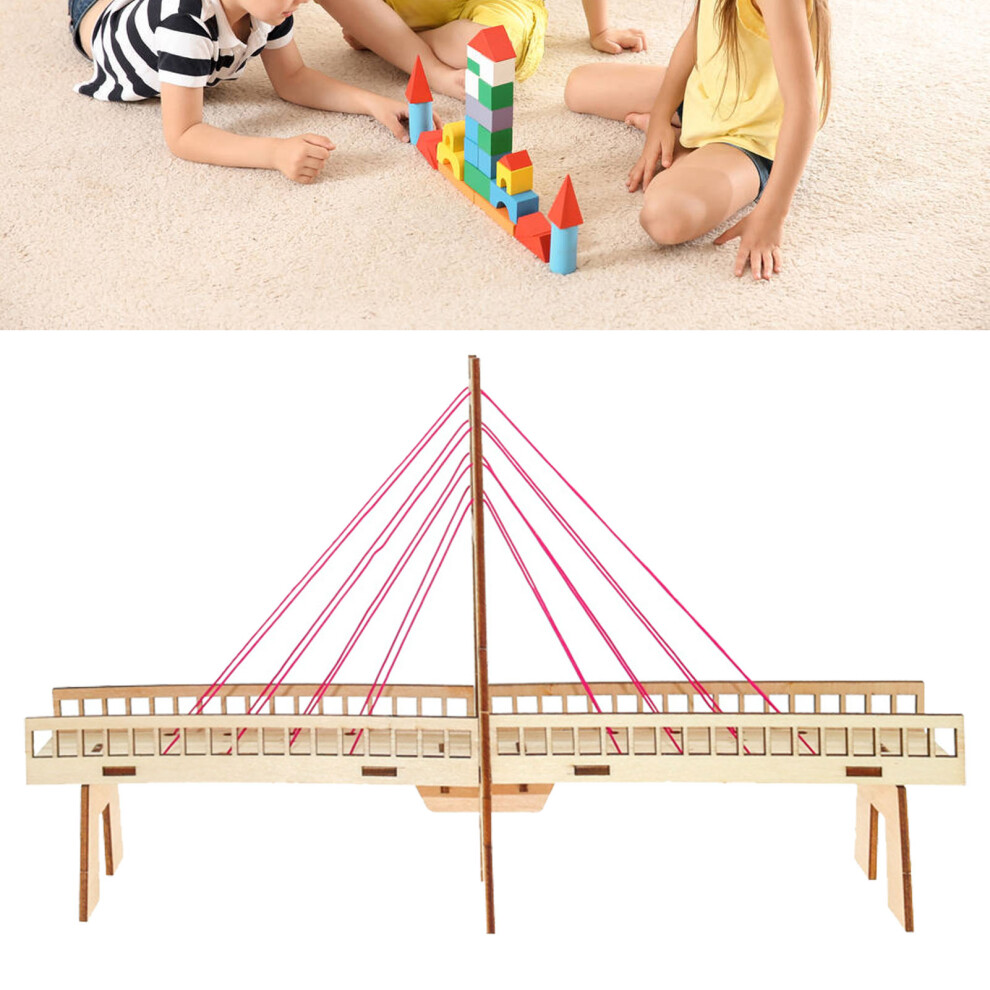
    1. DIY Wooden Bridge Kids Puzzle – Educational Assembly Toy for Ages 6+

    DIY Wooden Bridge Kids Puzzle - Educational Assembly Toy for Ages 6+

    DIY Wooden Bridge Kids Puzzle – Educational Assembly Toy for Ages 6+

    by OnBuy.com

    $10.52

    Check Price →

    2. Sloth 24 Piece Kids Puzzle – Fun & Educational Puzzle for Ages 4+

    Sloth 24 Piece Kids Puzzle - Fun & Educational Puzzle for Ages 4+

    Sloth 24 Piece Kids Puzzle – Fun & Educational Puzzle for Ages 4+

    by DiscountMags.com

    $14.99

    Check Price →

    3. 100 Piece Puzzles – Large Piece Puzzles For Senior Adults Kids Puzzle Ages 5-8 Jigsaw Puzzle For Kids Ages 4-6 6-8 8-10 Year Old Educational Toys For

    100 Piece Puzzles -  Large Piece Puzzles For Senior Adults Kids Puzzle Ages 5-8 Jigsaw Puzzle For Kids Ages 4-6 6-8 8-10 Year Old Educational Toys For

    100 Piece Puzzles – Large Piece Puzzles For Senior Adults Kids Puzzle Ages 5-8 Jigsaw Puzzle For Kids Ages 4-6 6-8 8-10 Year Old Educational Toys For

    by SHEIN

    $25.48

    Check Price →

  • Screen-Free Activities That Boost Concentration In Children

    Screen-Free Activities That Boost Concentration In Children

    We have all been there. You look over, and your child has been staring at a tablet for forty minutes, completely motionless, with that glazed-over expression. While those quick hits of dopamine from colorful animations are easy for kids to consume, they don’t exactly train the brain to focus on harder, more complex tasks. The constant switching between fast-paced scenes can actually make it harder for them to settle down when it’s time for homework or reading.

    Kneipp Children Concentration 30 gummy candies

    The good news is that you don”t need to ban technology forever to see a difference. Instead, focusing on building “attention muscles” through different types of play can help. By introducing activities that require sustained effort, you are helping their brains learn how to resist distractions. Let’s look at some practical, fun, and budget friendly ways to help your child rediscover their focus.

    Why screen-free play matters for brain development

    When a child watches a video, they are in a passive state. Information is being pushed at them, and their brain doesn’t have to work to bridge gaps or solve problems. This is quite different from active play, where the child must navigate obstacles, follow rules, or create a storyline from scratch.

    Engaging in tactile, hands-on activities helps develop the prefrontal cortex—the part of the brain responsible for executive functions like planning, impulse control, and focus. When kids engage with the physical world, they receive sensory feedback that keeps them grounded in the present moment, making it much easier to practice staying on task.

    Activities for Toddlers and Preschoolers (Ages 2-4)

    At this age, concentration spans are naturally short, so the goal isn’t to force them to sit still for an hour. Instead, we want to encourage “flow”—that state where they are so absorbed in a task that they lose track of time.

    Sensory bins and tactile exploration

    Filling a plastic tub with rice, dried beans, or even water and small hidden objects is a fantastic way to build focus. This is an educational way to introduce textures and counting while keeping their hands busy. Small tasks, like using tweezers to pick up pom-ons out of the rice, help refine fine motor skills and require a steady hand.

    Sorting and categorizing

    Grab a muffin tin and a handful of colorful buttons or different shaped pasta. Asking a toddler to sort them by color or size is a simple way to practice cognitive endurance. It feels like a game, but they are actually practicing the ability to follow a single instruction through to completion.

    Safety Note: Always supervise toddlers with small objects like buttons or beads to prevent choking hazards.

    Engaging Older Kids (Ages 5-8)

    Once children enter school age, they can handle more complex rules and longer periods of concentration. This is the prime time to introduce activities that require “deep work” principles.

    Complex Puzzles and Building Sets

    Whether it is a classic jigsaw puzzle or a set of wooden blocks, these activities require spatial reasoning and persistence. When a piece doesn’t fit, the child has to stop, evaluate, and try a new strategy. This builds frustration tolerance, which is a huge component of concentration.

    Artistic expression and detailed coloring

    Moving beyond simple scribbles to detailed coloring books or even basic watercolor painting requires a level of precision. This type of “slow” art encourages them to focus on small details and boundaries, which translates well to handwriting and reading comprehension later on.

    Board games with strategy

    Games like Checkers, Connect Four, or even simple card games like Uno require players to track moves and anticipate what might happen next. This mental “look-ahead” is a core skill for sustained attention.

    Deep Focus for Older Children (Ages 9+)

    As kids get older, they can tackle much more demanding hobbies. The key here is to find something they are genuinely interested in, so the effort feels rewarding rather than like a chore.

    Model building and intricate crafts

    Building model airplanes, complex LEGO sets, or even learning basic origami requires immense patience. These projects have a clear end goal, which provides a sense of accomplishment that keeps them motivated to stay focused through the difficult middle stages.

    Nature journaling and observation

    This is a great way to bridge the indoor vs outdoor gap. Give them a sketchbook and a magnifying glass and ask them to document the insects, leaves, or birds they see in the backyard. This requires them to observe closely and remain still, which is excellent training for a wandering mind.

    Strategy-based hobbies

    Learning chess or even complex card games like Bridge can be incredibly beneficial. These hobbies are essentially “brain gym” sessions that demand high-level concentration and memory.

    Finding the balance between indoor and outdoor play

    It is easy to think that concentration only happens at a desk, but movement plays a massive role. Sometimes, a child’s inability to focus is actually a sign that they have too much pent-up energy. Outdoor play provides the sensory input needed to “reset” the nervous system.

    • Obstacle courses: Building a course in the yard requires planning and physical coordination.
    • Scavenger hunts: This turns a simple walk into a mission-based task.
    • Gardening: Digging in the dirt and caring for a plant teaches long-term commitment and patience.

    By alternating between high-energy outdoor movement and calm indoor tasks, you create a balanced environment that supports a healthy attention span.

    Quick tips for parents

    If you are looking to implement these changes, don’t try to overhaul your entire routine overnight. Start small. You might notice that even fifteen minutes of dedicated, screen-free play can change the energy in your home.

    1. Create a dedicated “quiet corner” for reading or puzzles.
    2. Model the behavior. If we want them off their phones, we need to put ours down too.
    3. Keep supplies accessible. If the art supplies are hidden in a high closet, they won’t use them.
    4. Focus on the process, not the result. It doesn’t matter if the drawing is messy; what matters is that they stayed with the task.

    If you found these ideas helpful, why not pick one activity to try this weekend? Grab some old buttons or a dusty puzzle from the attic and see how your child responds. Small shifts in how we play can lead to much stronger focus in the long run.

    Our Top Picks

    Products we recommend:

    1. 150+ Screen-Free Activities for Kids

    150+ Screen-Free Activities for Kids

    150+ Screen-Free Activities for Kids

    by eCampus.com

    $18.97

    Check Price →

    2. 150+ Screen-Free Activities for Kids

    150+ Screen-Free Activities for Kids

    150+ Screen-Free Activities for Kids

    by BiggerBooks.com

    $12.71

    Check Price →

    3. 150+ Screen-Free Activities for Kids

    150+ Screen-Free Activities for Kids

    150+ Screen-Free Activities for Kids

    by Knetbooks.com

    $18.88

    Check Price →