Category: Blog

Your blog category

  • The Ultimate Canada-Themed Essentials Roundup: Apparel, Books, and Travel Comfort

    The Ultimate Canada-Themed Essentials Roundup: Apparel, Books, and Travel Comfort

    Note: This post contains affiliate links. If you click on a link and make a purchase, we may receive a small commission at no extra cost to you.

    At Bark For Your Buck, we are usually all about the latest in pet care, durable dog supplies, and the best activities for families and their furry companions. However, we know that a family adventure is rarely complete without a little bit of thematic flair! Whether you are planning a summer road trip through the Rockies or celebrating Canada Day in your local park, having the right gear can make the experience much more memorable.

    There is something uniquely special about embracing the “True North” spirit. From the cozy warmth of a classic toque to the pride of wearing a maple leaf, Canadian-themed gear is a staple for anyone looking to celebrate the culture and landscape of this beautiful country. In this roundup, we have sift of-the-shelf finds, trendy apparel, and even some travel insights to help you prepare for your next Northern excursion.

    In this guide, we will look at a variety of products ranging from educational books and trendy SHEIN apparel to much-needed winter accessories and even a look at what to prioritize when booking your Canadian accommodations. Let’s look at these Canada-inspired essentials!

    Deep Dives: Canada-Themed Product Reviews

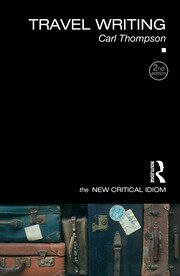
    1. Canada (Canada Series) by Knetbooks.com

    Every great road trip requires some quality reading material. If you are looking to deepen your knowledge of the Great White North while lounging in a campsite or waiting at a hotel, the Canada (Canada Series) is a fantastic choice for enthusiasts of geography and history.

    This isn’t just a casual read; it is part of a dedicated series designed to immerse the reader in the nuances of the Canadian experience. While the price point of $21.15 reflects its value as a specialized educational resource, it serves as a wonderful companion for students or travelers alike.

    • Pros:
      • Educational and engaging content.
      • Perfect for long travel days or quiet evenings.
      • Part of a collectible series for enthusiasts.
    • Cons:
      • Slightly higher price point for a single volume.
      • May be too dense for those looking for light entertainment.

    2. Canada Touque (Canada Hat) via Poshmark

    You cannot talk about Canadian weather without mentioning the Touque. Whether you are braving a sudden frost or just want to complete your winter aesthetic, a high-quality hat is non-negotiable. We found this specific Canada Touque listed on Poshmark in great condition, making it a sustainable and budget-friendly way to stay warm.

    For just $15.00, this is an absolute steal for anyone looking to add a touch of Canadian charm to their winter wardrobe without breaking the bank.

    • Pros:
      • Extremely affordable at $15.00.
      • Eco-friendly choice by shopping through Poshmark.
      • Classic style that never goes out of fashion.
    • Cons:
      • Being a pre-loved item, you may need to check the specific condition closely.
      • Limited availability since it is a unique listing.

    3. Canada Day Apparel Collection (SHEIN)

    When the summer heat hits and Canada Day approaches, there is no better way to show your pride than with trendy, lightweight apparel. The collection from SHEIN offers everything from Baby Tees to Crop Tops and classic Leaf Shirts. This is the ultimate choice for families looking for coordinated outfits for a July 1st celebration.

    With a massive range of sizes (from XS to XXL) and an incredibly low price point starting at just $10.08, this collection is perfect for those who want to participate in the festivities without a massive investment. The geometric knitted fabric adds a modern, stylish twist to the traditional maple leaf design.

    • Pros:
      • Unbeatable affordability.
      • Wide variety of sizes and styles (Crop tops, tees, etc.).
      • Trendy, modern fabric textures.
      • modeling

    • Cons:
      • Fast fashion items may not have the same longevity as premium brands.
      • Sizing can vary, so always check the measurement charts.

    Planning Your Canadian Getaway: Accommodation Essentials

    When we aren’t reviewing gear, we love talking about family activities. A huge part of that is finding the right place to stay. Based on our research of top-tier travel amenities (via trivago), we have identified two different “vibes” for your next Canadian stay. When booking, keep these feature lists in mind to ensure your family—and your pets—are well-catered to.

    The Full-Service Family Retreat

    If you are traveling with kids, you want a hotel that offers more than just a bed. Look for properties that include a Kids’ club and Breakfast to start your mornings right. For those looking for a bit of luxury, amenities like Air conditioning, Satellite TV, and a Snack bar can turn a simple hotel stay into a true vacation experience.

    The Executive Comfort Stay

    For a more business-oriented or high-end leisure trip, prioritize amenities that focus on convenience and connectivity. Look for listings that feature 24h-Zimmerservice (Room Service), Wi-Fi/Modem availability, and Luggage Storage. A stay that includes Satellite TV and Parking ensures that once you arrive, you can truly disconnect from the stress of travel and focus on the beauty of the Canadian landscape.

    Buying Guide: How to Choose Your Canada Gear

    Choosing the right items for your Canadian adventure depends on your primary goal. Use this quick guide to help you decide:

    • For the Budget-Conscious: Stick to the SHEIN Apparel or Poshmark Accessories. You can outfit an entire family for the price of one high-end designer shirt.
    • For the Lifelong Learner: Invest in the Canada Series books. They provide lasting value that extends far beyond a single holiday.
    • For the Outdoor Adventurer: Prioritize warmth. A Touque is your best friend when exploring the Great Lakes or the Atlantic coast.
    • For the Planner: When booking stays, always check the amenity list. If you are traveling with pets or kids, features like “Beach access” or “Kids’ club” are much more important than “Fax/Modem” capabilities.

    Final Verdict

    Whether you are looking for the lightweight comfort of a Canada Day Crop Top or the intellectual depth of the Canada Series books, there is a way to express your love for the Great White North. For the best value, we recommend mixing and matching: grab some trendy SHEIN gear for your summer celebrations and a pre-loved Poshmark Touque for those crisp autumn evenings.

    Canada is a land of immense beauty, and having the right gear allows you to focus on what really matters: making memories with your family (and your dogs!) in one of the most stunning corners of the world.


    Featured Products

    Disclosure: This article contains affiliate links. If you make a purchase through these links, we may earn a commission at no additional cost to you.

    Product Brand Price Link
    Canada (Canada Series) Knetbooks.com $21.15 Check Price
    Canada Touque (Canada Hat) Poshmark $15.00 Check Price
    Canada Day Baby Tee, Canada Crop Top, Canada Leaf Shirt, Canada Shirt Women, I Love Canada Shirt, Ca SHEIN $10.08 Check Price
    Canada trivago CH $47.00 Check Price
    Canada trivago UK $45.00 Check Price
    Canada (Canada Series)

    Canada (Canada Series)

    by Knetbooks.com

    $21.15

    Check Price →

    Canada Touque (Canada Hat)

    Canada Touque (Canada Hat)

    by Poshmark

    $15.00

    Check Price →

    Canada Day Baby Tee, Canada Crop Top, Canada Leaf Shirt, Canada Shirt Women, I Love Canada Shirt, Ca

    Canada Day Baby Tee, Canada Crop Top, Canada Leaf Shirt, Canada Shirt Women, I Love Canada Shirt, Ca

    by SHEIN

    $10.08

    Check Price →

    Canada

    Canada

    by trivago CH

    $47.00

    Check Price →

    Canada

    Canada

    by trivago UK

    $45.00

    Check Price →

  • The ‘Best’ Collection: A Deep Dive into Premium Travel, Music, and Literature

    The ‘Best’ Collection: A Deep Dive into Premium Travel, Music, and Literature

    Finding “the best” is a lifelong pursuit. Whether you are a pet parent searching for the perfect getaway, a music enthusiast hunting for that next underground anthem, or a scholar seeking deeper meaning in the written word, the search for quality is universal. At Bark For Your Buck, we usually focus on the intersection of pets and family, but we believe that a truly well-lived life requires a balance of adventure, art, and intellect.

    Today, we are stepping outside the dog park to bring you a highly curated roundup of products that all share a common thread: excellence. We have scoured various niches to bring you a selection of items that represent the pinnacle of their respective categories. From the luxury of a Tennessee log cabin to the raw energy of the Philadelphia punk scene, this list is designed to inspire your next big purchase, whether you’re planning a vacation or a quiet night of reading.

    Note: This post contains affiliate links. We may earn a small commission if you make a purchase through these links at no extra cost to you.

    The Ultimate Getaway: Whimstay’s “Best of the Best” Cabin

    If you are looking for a retreat that combines rustic charm with modern luxury, look no further than the Whimstay “Best of the Best” cabin located in the heart of Pigeon Forge. For our readers who never travel without their four-legged companions, this is a standout choice. Finding a high-end rental that is truly pet-friendly can be a challenge, but this log cabin manages to strike the perfect balance between comfort and accessibility.

    The cabin is designed for relaxation. Featuring a king-sized bed, a spacious sleeper sofa for extra guests, and a private hot tub, it is the ideal setting for a family reunion or a romantic escape. Its proximity to the Pigeon Forge Parkway means you can enjoy the excitement of the local attractions during the day and retreat to the peace of the woods at night.

    Pros and Cons

    • Pros:
      • Pet-Friendly: Essential for our pet-loving community.
      • Premium Amenities: Includes a king bed and a private hot tub.
      • Prime Location: Minutes away from the main Pigeon Forge attractions.
      • Versatile Sleeping Arrangements: The sleeper sofa makes it great for families.
    • Cons:
      • Price Point: At $147.01 per night, it is a premium luxury experience.
      • Availability: Highly sought-after locations like this often book up months in advance.

    Digital Discovery: Knetbooks.com

    In an era where we consume media on the go, Knetbooks.com offers a streamlined and affordable way to access high-quality digital content. Priced at a very accessible $13.33, this platform serves as a fantastic resource for those who prefer the convenience of digital reading or listening over physical media.

    While the platform’s “Best of the Best” selection is expansive, its true value lies in its accessibility. It is perfect for commuters, students, or anyone looking to expand their digital library without breaking the bank. In a world of overwhelming subscription models, having a direct way to acquire specific titles is a breath of fresh air.

    Pros and Cons

    • Pros:
      • Highly Affordable: Great value for the price.
      • Convenience: Instant access to digital content.
    • Cons:
      • Digital Only: Lacks the tactile experience of physical books or vinyl.

    The Sound of Rebellion: “Dead Best” by FYE

    For those who prefer their soundtracks with a bit of grit, the album “Dead Best” by the FYE label is a must-listen. This isn’t just another music release; it is a historical deep look at the Philadelphia punk scene of the late 90s and early 2000s. The project brings together long-time collaborators Atom Goren and Brian Sokol, blending elements of dub, hardcore, and punk riffs into a seamless, energetic experience.

    The album is a masterclass in genre-blending. If you appreciate the raw, unpolished energy of underground music, this record provides a window into a specific era of musical evolution. It is an essential purchase for collectors of indie and punk history.

    Pros and Cons

    • Pros:
      • Unique Genre Fusion: A fascinating mix of dub, hardcore, and punk.
      • Historical Value: Captures a specific moment in the Philly music scene.
      • Great Price: At $29.99, it is a solid investment for music lovers.
    • Cons:
      • Niche Appeal: Might be too intense for fans of mainstream pop or soft rock.

    The Scholar’s Choice: “Best Words, Best Order” by Stephen Dobyns

    Finally, we move into the realm of deep intellectual engagement with “Best Words, Best Order.” This isn’t just a book; it is an exploration of the very soul of poetry. Available in two distinct versions—one via SpringerLink Shop INT ($69.99) and another via Springer Nature Author ($50.18)—this work by Stephen Dobyns is a profound guide to the mysteries of poetic craft.

    Dobyns uses his essays to dissect the intricacies of memory, metaphor, pacing, voice, and tone. For aspiring poets, students of literature, or anyone who finds beauty in the cadence of language, this book is an indispensable resource. The two versions essentially offer the same transformative content, but the price difference allows readers to choose based on their budget or preferred access method (digital vs. print-on-demand).

    Pros and Cons

    • Pros:
      • Deep Insight: Provides a technical yet soulful look at poetic structure.
      • Versatility: Great for both academic study and personal creative growth.
      • Multiple Formats: Options to fit different budgets.
    • Cons:
      • Price: The higher-end edition can be quite an investment for a single text.
      • Complexity: Requires a focused mind; not a “light” read.

    Buying Guide: How to Choose Your Next “Best” Purchase

    When you are looking to invest in premium products, it is easy to get overwhelmed. Use this quick guide to help you decide which of these “best” items fits your current lifestyle:

    • Identify Your Primary Goal: Are you seeking relaxation (Whimstay Cabin), entertainment (Dead Best), or education (Best Words, Best Order)?
    • Consider Your Budget: If you are looking for a low-cost way to enjoy media, Knetbooks is your best bet. If you are planning a milestone event, the Whimstay Cabin is worth the splurge.
    • Evaluate Your Audience: If you are traveling with pets, the Whimstay cabin is the only logical choice in this list. If you are a solo scholar, the Springer editions are tailored for you.
    • Check the Format: Always decide if you want the convenience of digital (Knetbooks/SpringerLink) or the permanence of physical/musical media (FYE/Springer Nature).

    The Final Verdict

    So, which of these “Best” products should you choose? It truly depends on what your soul is craving right now.

    If you need to disconnect from the digital world and reconnect with nature (and your dog!), the Whimstay “Best of the Best” Cabin is an unbeatable luxury. For the music connoisseur looking for something with substance and history, “Dead Best” offers a gritty, nostalgic trip through the punk scene. And for the thinkers and creators among us, “Best Words, Best Order” is a transformative guide that will change the way you view language.

    No matter which you choose, you are investing in something that defines the very essence of quality. Happy exploring!


    Featured Products

    Disclosure: This article contains affiliate links. If you make a purchase through these links, we may earn a commission at no additional cost to you.

    Product Brand Price Link
    BEST OF THE BEST Whimstay $147.01 Check Price
    Best of the Best Knetbooks.com $13.33 Check Price
    Dead Best – Dead Best FYE $29.99 Check Price
    Best Words, Best Order SpringerLink Shop INT $69.99 Check Price
    Best Words, Best Order Springer Nature Author $50.18 Check Price
    BEST OF THE BEST

    BEST OF THE BEST

    by Whimstay

    $147.01

    Check Price →

    Best of the Best

    Best of the Best

    by Knetbooks.com

    $13.33

    Check Price →

    Dead Best - Dead Best

    Dead Best – Dead Best

    by FYE

    $29.99

    Check Price →

    Best Words, Best Order

    Best Words, Best Order

    by SpringerLink Shop INT

    $69.99

    Check Price →

    Best Words, Best Order

    Best Words, Best Order

    by Springer Nature Author

    $50.18

    Check Price →

  • Printable Activity Pages For Road Trips With Kids

    Printable Activity Pages For Road Trips With Kids

    We’ve all been there. You’ve packed the snacks, double-checked the car seats, and finally pulled out of the driveway, only to hear the dreaded words about twenty minutes in: “Are we there yet?” Long stretches of highway can turn even the most excited toddler into a restless passenger, and as a parent, your main goal is usually just to reach your destination without a meltdown.

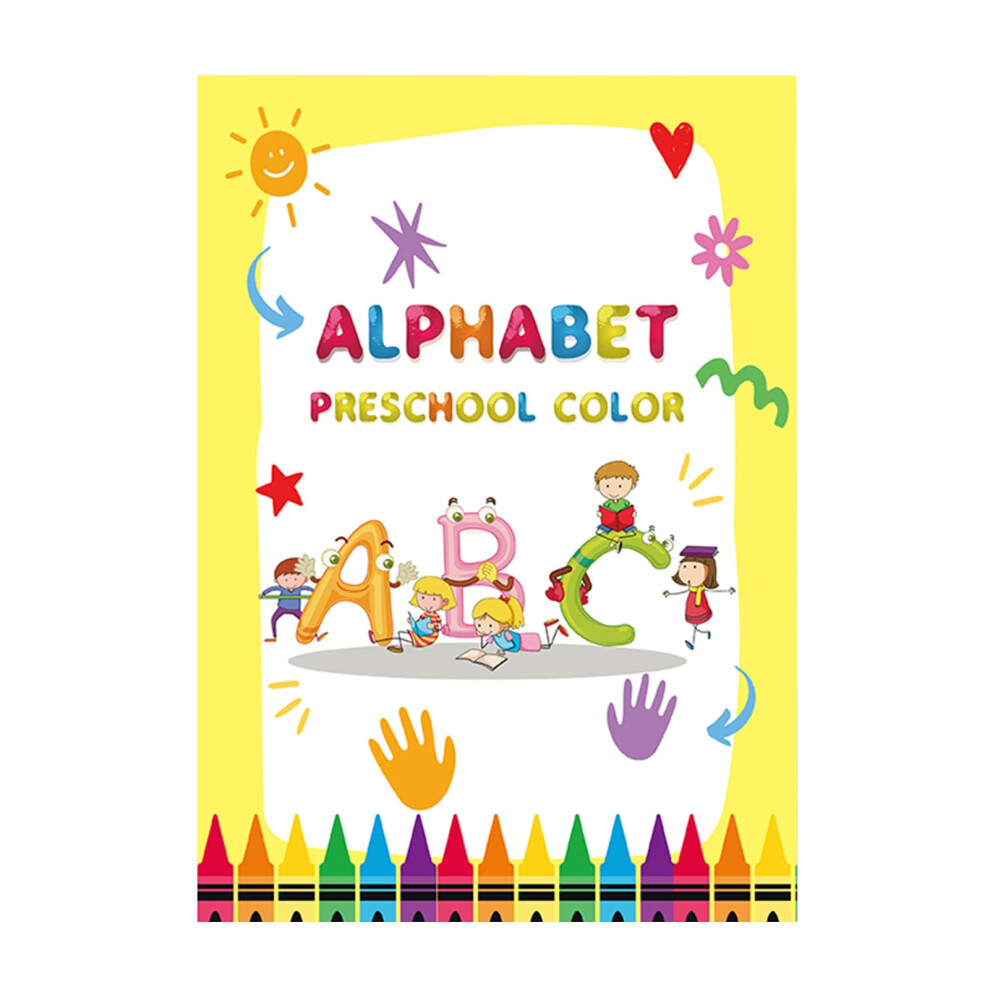
    Preschool Activity Pages

    While tablets and movies can provide a temporary distraction, they often lead to “screen fatigue” or, worse, a dead battery right when you hit a construction zone. That is why I have become a huge advocate for physical, hands-on activities. Specifically, printable activity pages. They are budget friendly, easy to swap out, and they keep little hands busy with something more tactile than a touchscreen.

    Why Paper Activities Beat Screen Time on the Road

    Digital entertainment has its place, but there is something special about a physical workbook or a coloring sheet. These activities offer a much-needed break for the eyes and allow kids to engage with their surroundings. Instead of staring at a glowing screen, they are looking out the window, searching for landmarks or patterns.

    Beyond just keeping them quiet, these pages offer significant developmental benefits. They encourage fine motor skills through coloring and tracing, boost cognitive abilities through logic puzzles, and can even turn a boring drive into an educational adventure. When a child is actively solving a maze or counting red cars, they are practicing focus and observational skills that screens simply don’t require.

    Tailoring Activities to Different Age Groups

    One mistake I see people make is handing a complex Sudoku puzzle to a four-year-old. To keep the peace, you need to match the difficulty level to your child’s developmental stage. Here is how I break it down:

    Activities for Toddlers and Preschoolers

    For the littlest travelers, simplicity is key. You want things that are high-contrast and easy to manipulate. The best for toddlers are activities that don’t require intense concentration but rather simple recognition.

    • Coloring Sheets: Large, simple shapes like animals, suns, or cars.
    • Dot-to-Dot: Very basic versions with only 5-10 dots to help with number sequencing.
    • Sticker Scenes: Bringing a pack of stickers and a printable scene allows them to “build” a world without needing much precision.
    • Shape Tracing: Using thick crayons to trace circles or squares to build hand strength.

    Activities for School-Aged Kids (Ages 6-9)

    Once they hit elementary school, kids are ready for more “work-like” challenges. They can handle tasks that require a bit of logic and a lot of patience.

    • Word Searches: Create custom ones using themes like “Animals,” “Space,” or “Ocean.”
    • Mazes: These are great for spatial reasoning and keeping them occupied for longer stretches.
    • I-Spy Lists: A printable checklist of things to find out the window (a cow, a blue truck, a windmill).
    • Drawing Prompts: “Draw what you think the destination looks like” or “Draw a monster made of snacks.”

    Activities for Older Kids and Tweens (Ages 10+)

    Older kids might feel “too cool” for coloring, so you need to provide something that feels more like a brain teaser. They often enjoy activities that feel a bit more sophisticated.

    • Logic Puzzles: Sudoku or logic grids that require deep thinking.
    • able to solve complex problems.

    • Cryptograms: Secret codes that they have to decode using a key.
    • Journaling Prompts: A blank printable template for them to write about their trip, their favorite snack, or a funny thing their sibling did.

    Safety and Practicality Tips for Car Activities

    Before you start printing, let’s talk about the logistics. There is nothing worse than a car floor covered in loose scraps of paper and broken crayons. Safety and cleanliness are just as important as the fun factor.

    First, consider the “mess factor.” Avoid anything involving glitter, loose beads, or liquid glue. I always recommend using a small, portable lap desk or even a sturdy cookie sheet. This provides a flat surface for writing and prevents papers from sliding under the seats.

    Second, keep the supplies contained. Use a small plastic organizer or a zippered pouch for crayons, colored pencils, and erasers. This makes it easy to hand a single “activity kit” to your child and ensures you aren’t hunting for a stray marker in the dark during a rest stop.

    Lastly, a quick note on safety: Always ensure that activities do not distract the driver. If your child is in the front seat, they should be focused on something that doesn’t require them to lean forward or interfere with your view of the mirrors. For the back seat, the main concern is making sure they aren’t throwing items around the cabin.

    How to Create Your Own Custom Printables

    You don’t need to be a graphic designer to create amazing road trip packs. In fact, some of the most engaging pages are the ones you make yourself because they are personalized to your child’s interests.

    1. Use Simple Templates: Software like Canva or even basic word processors have great tools for creating shapes and text.
    2. Personalize the Content: If your child is obsessed with dinosaurs, make a “Dino-Search” word search. If they love Minecraft, create a pixel-art coloring page.
    3. Print in Bulk: Don’t wait until the morning of the trip. Print a large stack of various activities a few days in advance so you can rotate them throughout the journey.

    Using a mix of pre-made printables and your own creations ensures that the “newness” of the activity lasts longer. When they finish one, you can pull a fresh, unexpected one from your folder.

    Final Thoughts for a Smoother Journey

    Road trips are about making memories, and while they can be exhausting, they are also wonderful opportunities for family bonding. By preparing a variety of printable activities, you are giving your kids a way to engage with the journey rather than just endure it. You’ll find that when they are occupied with a fun puzzle or a colorful drawing, the miles seem to pass much faster, and you might even find yourself enjoying the scenery alongside them.

    Ready to prep for your next adventure? Start gathering your favorite coloring pages and logic puzzles today so your next family drive is filled with more smiles and fewer “are we there yet”s!

    Our Top Picks

    Products we recommend:

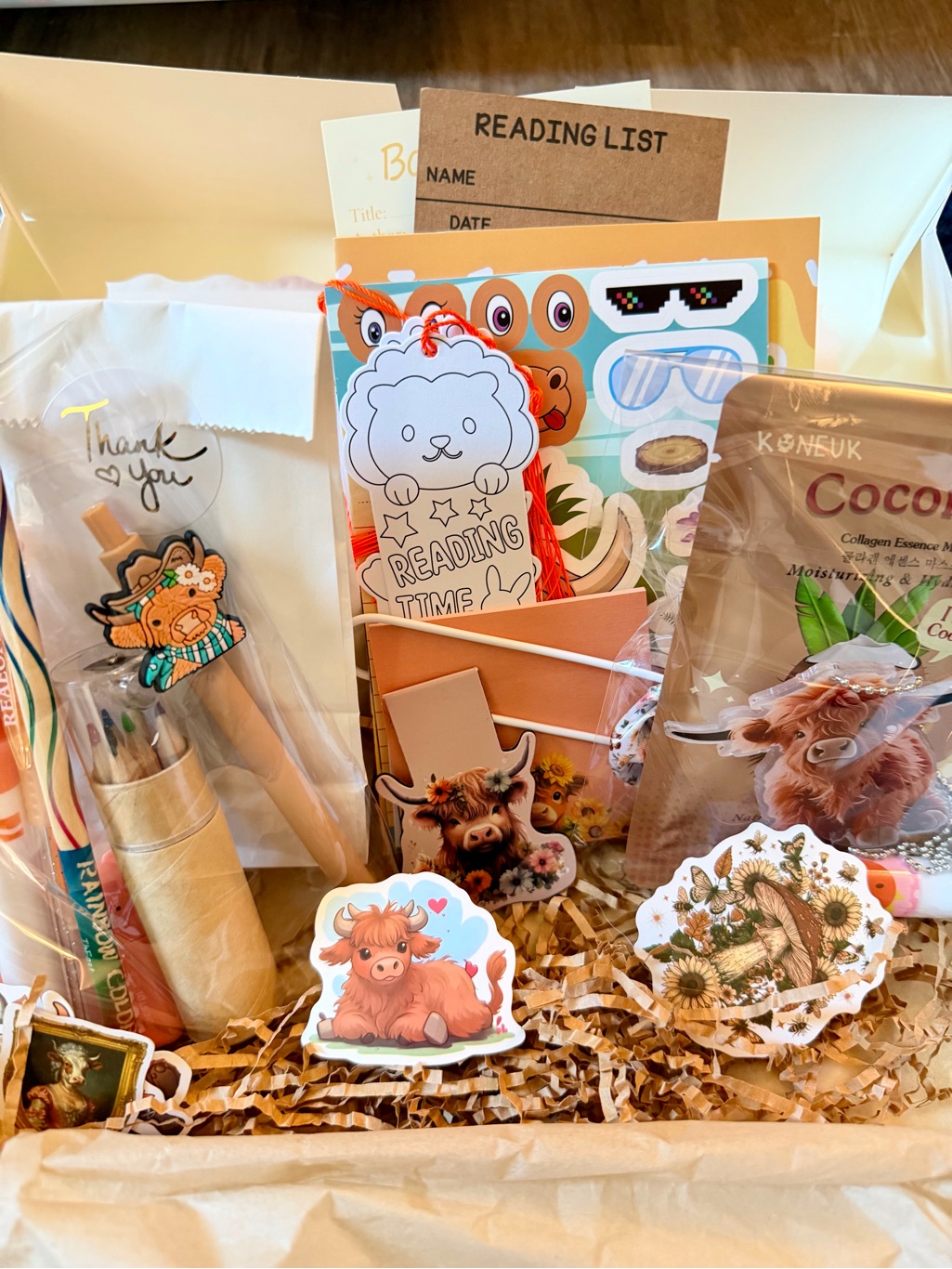
    1. Kids Highland Cow Themed Activity Kit, Perfect For Road Trips

    Kids Highland Cow Themed Activity Kit, Perfect For Road Trips

    Kids Highland Cow Themed Activity Kit, Perfect For Road Trips

    by Poshmark

    $21.00

    Check Price →

    2. Activity Books for Kids, Writing Exercises for Kids, Learning Materials for Homeschool Teaching, Travel, Road Trips, Airplane

    Activity Books for Kids, Writing Exercises for Kids, Learning Materials for Homeschool Teaching, Travel, Road Trips, Airplane

    Activity Books for Kids, Writing Exercises for Kids, Learning Materials for Homeschool Teaching, Travel, Road Trips, Airplane

    by OnBuy.com

    $40.60

    Check Price →

    3. Younger Kids Activity Pages

    Younger Kids Activity Pages

    Younger Kids Activity Pages

    by Knetbooks.com

    $10.00

    Check Price →

  • How Mazes Improve Problem-Solving Skills In Children

    How Mazes Improve Problem-Solving Skills In Children

    Remember those afternoons spent hunched over a piece of paper, tracing a pencil through winding corridors, desperately trying to find the exit? For many of us, mazes were just a way to kill time on a rainy day. But for a developing brain, that simple activity is actually a high-intensity workout for cognitive functions. While it looks like simple play, navigating a labyrinth requires a complex set of mental maneuvers that translate directly to real-sife challenges.

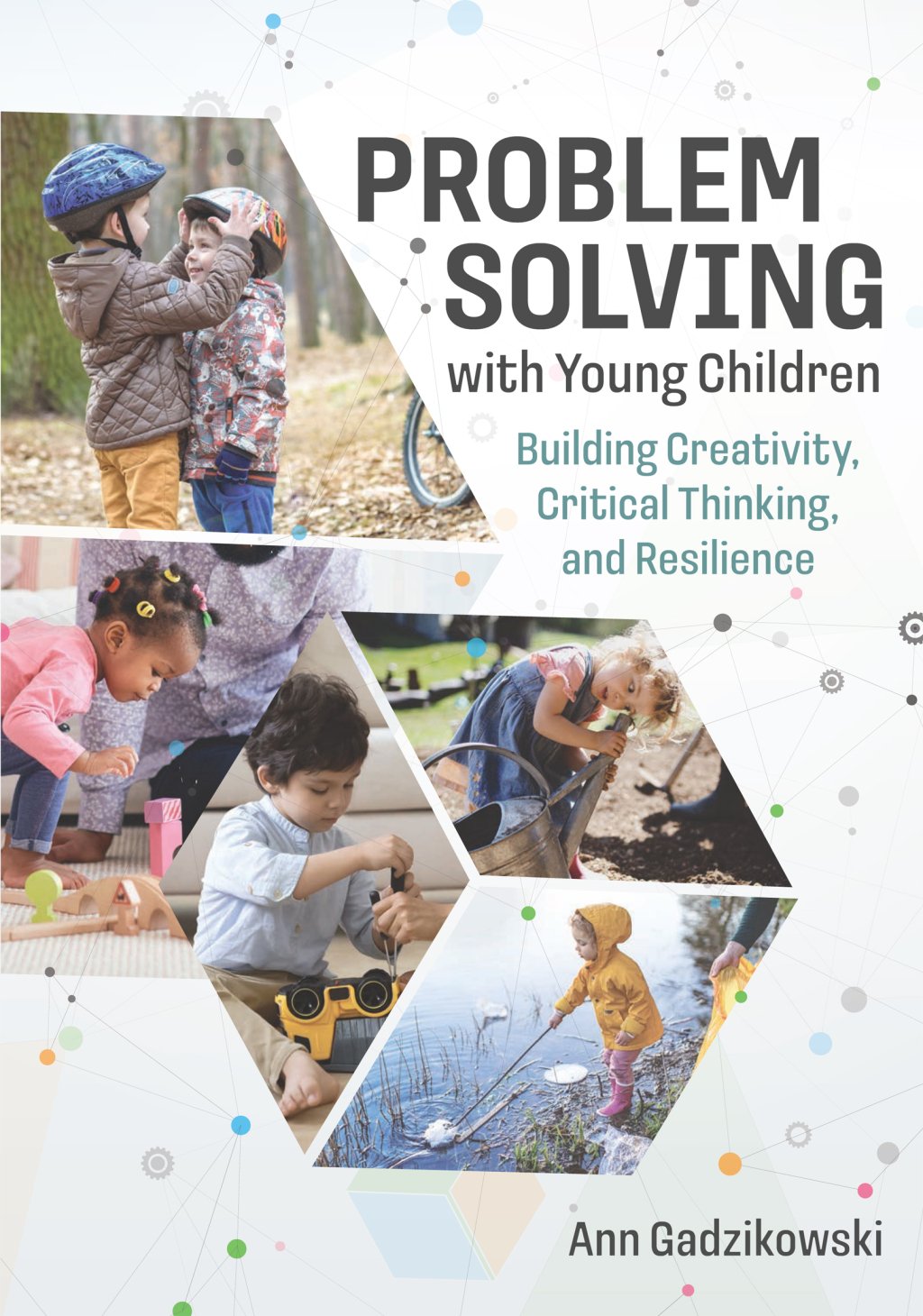
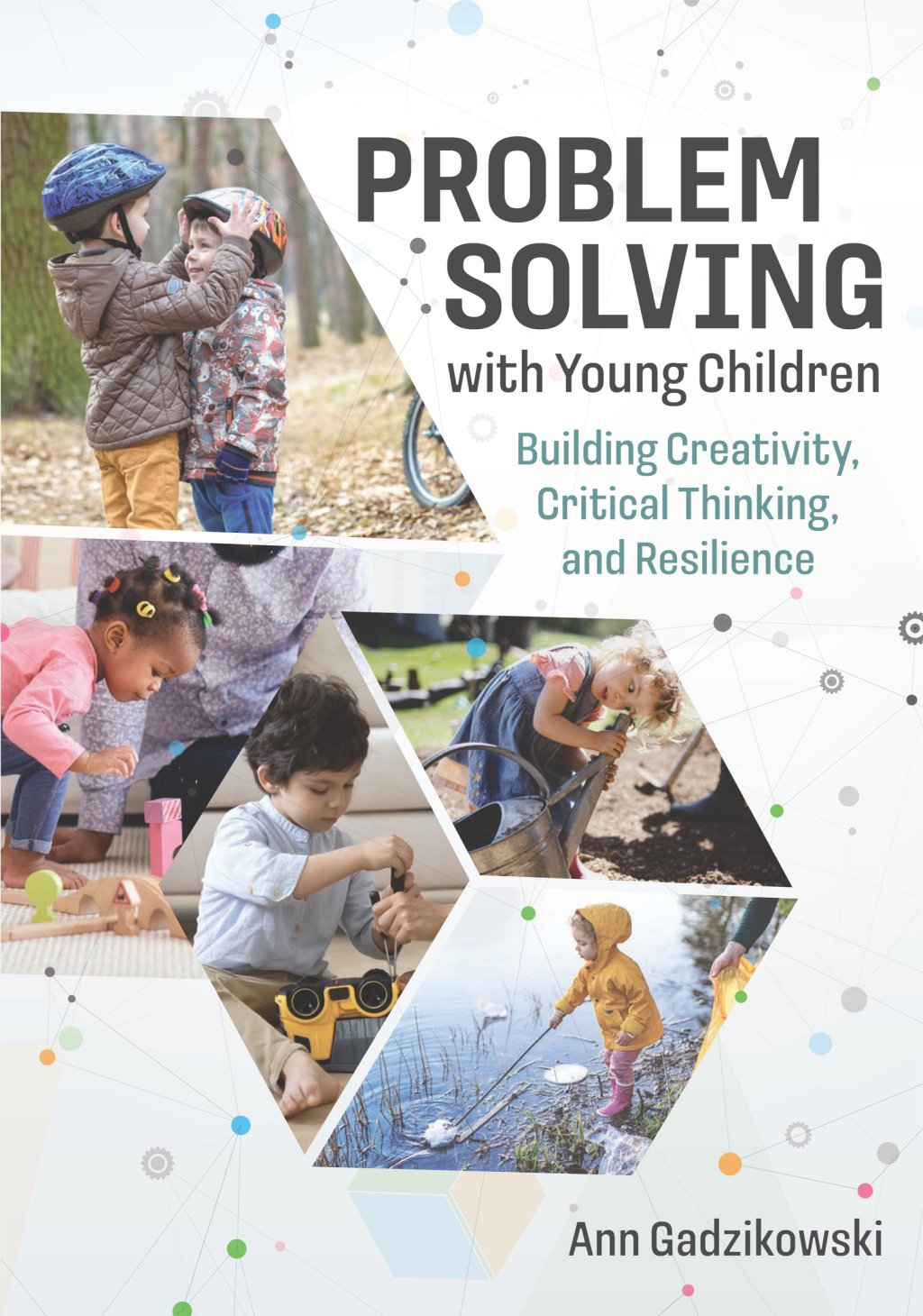
    Problem Solving with Young Children (eBook Rental)

    As parents and educators, we are constantly looking for ways to sharpen a child’s mind without making learning feel like a chore. The good news is that you don’t need expensive software or high-tech gadgets to foster these skills. A simple, budget friendly book of mazes can be just as effective as a digital app, providing a tactile experience that screens often lack.

    The cognitive mechanics of navigating a maze

    When a child approaches a maze, their brain isn’t just looking for a path; it is performing a series of rapid-fire calculations. They are scanning for patterns, predicting obstacles, and evaluating potential routes. This process involves several distinct cognitive layers.

    First, there is spatial awareness. To solve a maze, a child must understand the relationship between the “start” and the “finish,” as well as the distance between various walls and turns. They are essentially building a mental map of a 2D space. This is a foundational skill for everything from reading maps to understanding geometry later in life.

    Second, mazes demand executive function. This includes working memory, which allows them to remember which path they just tried, and inhibitory control, which helps them stop themselves from blindly rushing into a dead end. They have to suppress the impulse to just “go” and instead pause to “plan.”

    Developing strategic foresight

    One of the most significant benefits is the development of trial-and-error resilience. In a maze, hitting a dead end isn’t a failure; it is data. It tells the child, “This route is incorrect; let’s try the other direction.” This teaches them to view mistakes as necessary steps in a larger process. Learning to pivot when a plan fails is a vital part of problem-solving skills that will serve them well in school and beyond.

    This repetitive cycle of hypothesis and testing helps children develop a systematic way of thinking. Instead of acting purely on instinct, they begin to look for cues—a wide opening here, a narrow corridor there—that suggest a more successful path. This is the beginning of logical reasoning and strategic planning.

    Age-appropriate maze activities for different stages

    Not all mazes are created equal. To keep a child engaged and prevent frustration, it is vital to choose challenges that match their current developmental level. If a maze is too easy, they’ll get bored; if it’s too hard, they might give up entirely.

    Toddlers and Preschoolers (Ages 2-4)

    At this age, the goal isn’t complex logic but rather fine motor control and basic visual tracking. Look for “pathway” mazes rather than true labyrinths. These are often wide, colorful tracks where the child simply follows a line from a character to a piece of fruit or a toy.

    • Focus on thick lines that are easy to trace with a finger or a jumbo crayon.
    • Use mazes that involve stickers to add a tactile, rewarding element.
    • Keep the paths short and the “dead ends” non-existent to build confidence.

    Early Elementary (Ages 5-7)

    This is the sweet spot for educational play. Children in this bracket can handle more traditional mazes with clear walls and a few branching paths. They are beginning to understand the concept of “if/then” logic (e.g., “If I turn left, I hit a wall, so I must turn right”).

    • Introduce mazes with slight complexity, such as small loops or obstacles.
    • Incorporate themes like “help the bee find the flower” to keep interest high.
    • Encourage them to use a pencil so they can erase mistakes, reinforcing the idea that errors are fixable.

    Older Children (Ages 8+)

    For older kids, you can introduce 3D mazes or much more intricate 2D patterns. At this stage, the challenge should lie in the sheer density of the paths and the number of deceptive turns. You might even try “logic mazes” where they have to follow specific rules to find the exit.

    Practical tips for parents and educators

    While mazes are inherently low-risk, there are ways to enhance the experience and ensure it remains a positive learning opportunity. The key is to act as a guide rather than a teacher.

    Avoid the temptation to jump in and show them the “right” way immediately. If you see them struggling, ask prompting questions instead of giving answers. Try saying, “I wonder what happens if you take that turn near the top?” or “What do you notice about that dead end?” This keeps the cognitive heavy lifting on their side of the table.

    Safety is also a small but important consideration. If you are using physical maze kits or 3D wooden puzzles, ensure there are no small parts that could pose a choking hazard for younger siblings. Additionally, always supervise the use of scissors if the activity involves cutting through paper mazes.

    Lastly, keep the environment calm. Problem-solving requires deep concentration. Minimize loud background noise or sudden distractions so they can enter a state of “flow,” where they are fully immersed in the task at hand. This deep focus is a skill in itself, often referred to as sustained attention.

    Making mazes a part of your daily routine

    You don’t need to set aside an hour of “study time” to reap these benefits. Integration is much more effective than isolation. You can use mazes as a transition activity between school and dinner, or as a quiet activity during a long car ride. Because they are so age appropriate and versatile, they can fit into almost any schedule.

    If you want to take it a step further, try creating your own! Using masking tape on a carpet to create a giant floor maze is a fantastic way to combine physical movement with cognitive challenge. This turns a sedentary paper activity into a full-body sensory experience.

    Ultimately, the goal is to foster a mindset of curiosity and persistence. Whether they are navigating a tiny paper corridor or a giant tape labyrinth on the floor, the mental muscles they are building are the same. They are learning how to face a problem, analyze it, and work through it until they find the way out.

    Ready to boost your child’s brainpower? Grab a pack of various maze books or some masking tape and start exploring today. The path to better problem-solving is much more fun when it’s a winding one!

    Our Top Picks

    Products we recommend:

    1. Problem Solving Skills for Children, Ages 5-12

    Problem Solving Skills for Children, Ages 5-12

    Problem Solving Skills for Children, Ages 5-12

    by Knetbooks.com

    $12.43

    Check Price →

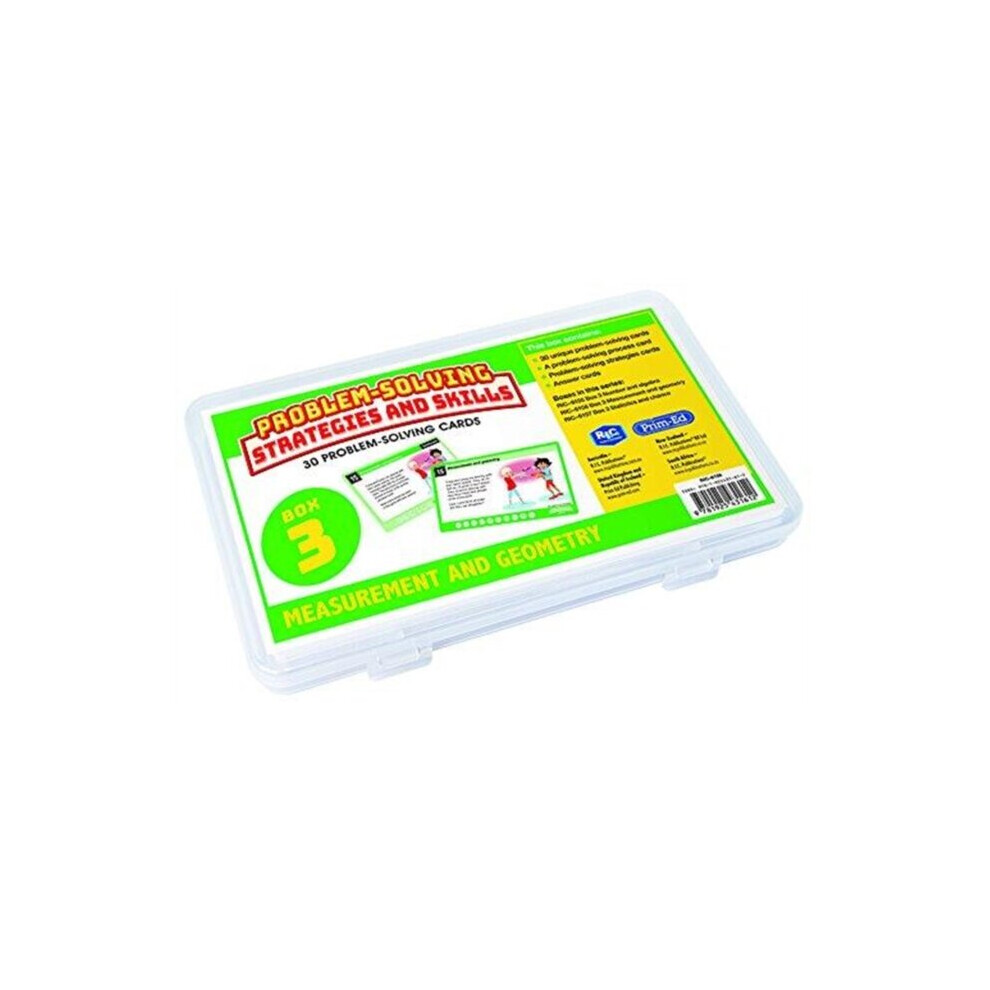
    2. Problem-solving Strategies and Skills

    Problem-solving Strategies and Skills

    Problem-solving Strategies and Skills

    by OnBuy.com

    $9.84

    Check Price →

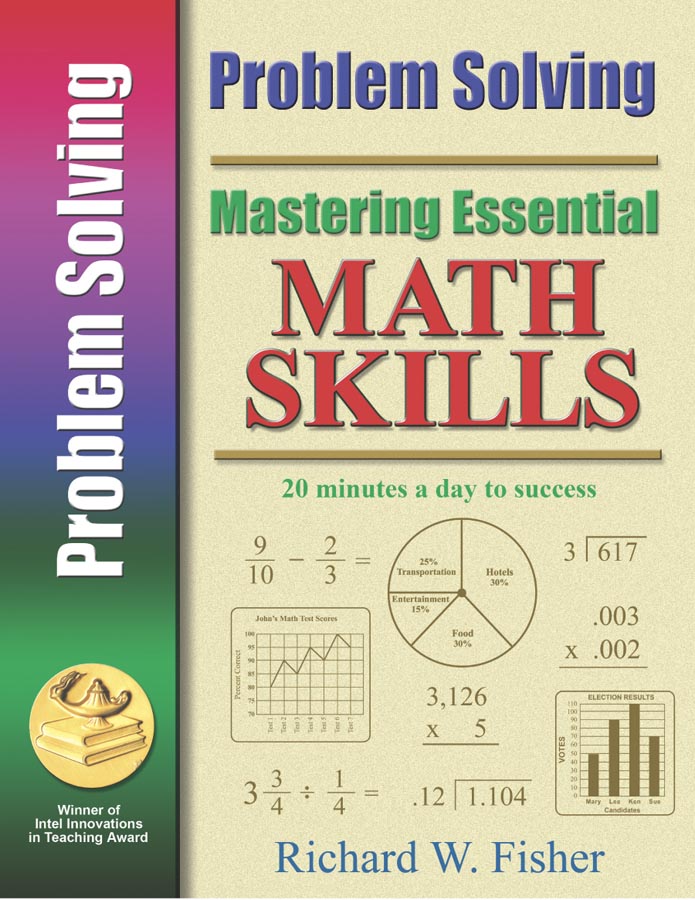
    3. Mastering Essential Math Skills: Problem Solving

    Mastering Essential Math Skills: Problem Solving

    Mastering Essential Math Skills: Problem Solving

    by Christianbook.com

    $47.95

    Check Price →

  • Screen-Free Activities That Boost Concentration In Children

    Screen-Free Activities That Boost Concentration In Children

    If you’ve ever sat down for dinner only to realize your child hasn’t heard a single word you said because they are mentally stuck in a YouTube loop, you aren’t alone. It feels like our kids are constantly living in a state of “continuous partial attention.” Their brains are wired for the quick dopamine hits that come from swiping, tapping, and jumping from one bright video to the or another. While tablets can be helpful tools for a quiet afternoon, relying on them too much can make it incredibly hard for kids to focus on tasks that require sustained effort, like reading a book or finishing a puzzle.

    The good news is that you can retrain those focus muscles. By introducing activities that require patience and steady attention, you help them rebuild their ability to concentrate. The trick isn’t to ban technology entirely, but to balance it with hands-on play that demands a bit more “brain grit.”

    Why deep focus matters for growing brains

    Concentration isn’t just about getting homework done; it’s about developing the cognitive stamina needed for life. When a child engages in an activity that doesn’t provide instant gratification, they are practicing executive function. This is the part of the brain responsible for planning, self-control, and working memory.

    Unlike a video game that provides a reward every few seconds, screen-free play often involves a period of “boredom” or struggle before the fun kicks in. Navigating that middle ground is where the real developmental growth happens. These activities help bridge the gap between impulsive reactions and thoughtful, sustained actions.

    Hands-on activities for toddlers and preschoolers (Ages 2-4)

    At this age, focus is naturally short, so we want to aim for activities that are sensory-rich but structured. The goal here is to encourage “single-tasking”—the ability to stay with one sensation or movement for a few minutes at a time.

    Sensory bins and tactile play

    Filling a plastic tub with dried beans, rice, or even water and small hidden objects is a brilliant, budget friendly way to capture attention. As they hunt for hidden plastic dinosaurs or colorful beads, they are practicing fine motor skills and visual tracking.

    Simple sorting tasks

    Give them a muffin tin and a bowl of multi-colored buttons or pom-poms. Asking them to sort by color or size is an educational way to introduce early math concepts while requiring them to look closely and move deliberately.

    Safety Note: Always supervise toddlers during sensory play, especially if using small objects like beads or dried beans, to prevent choking hazards.

    Building stamina with school-aged kids (Ages 5-8)

    Once kids enter school, the demands on their attention increase. They are learning to follow multi-step instructions and sit still for longer periods. This is the perfect time to introduce activities that have a clear “end goal.”

    Complex puzzles and LEGO builds

    Puzzles are the gold standard for concentration. They require a child to scan, analyze patterns, and persist even when they can’t find the piece they need. Similarly, following the step-by-step instructions in a LEGO set teaches them how to break down a large task into manageable parts.

    Artistic endeavors

    Activities like coloring mandalas, watercolor painting, or even making friendship bracelets require a steady hand and a lot of patience. These tasks are excellent because they allow for “flow”—that wonderful state where a child becomes so absorbed in what they are doing that time seems to disappear.

    • Origami: Great for following precise instructions.
    • Clay modeling: Excellent for sensory feedback and creativity.
    • Dot-to-dot: Helps with fine motor control and sequence recognition.

    Challenging older children (Ages 9-12)

    Pre-teens often crave autonomy and complexity. If an activity feels too “babyish,” they will check out immediately. To keep them engaged, look for hobbies that offer a sense of mastery or competition.

    Strategy-based board games

    Games like Chess, Settlers of Catan, or even classic Checkers require players to think several moves ahead. This type of strategic thinking is the ultimate workout for a developing prefrontal cortex. It forces them to predict outcomes and manage their impulses.

    Nature exploration and outdoor observation

    When considering indoor vs outdoor options, the outdoors often provides the best “reset” for a tired brain. Encourage them to start a nature journal. This might involve collecting interesting leaves, sketching insects, or using a magnifying glass to study bark textures. It turns a simple walk into an active, observational mission.

    Complex DIY projects

    Whether it’s learning to code on a physical robot, building a birdhouse, or mastering a difficult recipe in the kitchen, these “big” projects require planning, troubleshooting, and long-term commitment. The satisfaction of completing a physical object provides a much healthier dopamine hit than a digital achievement.

    Tips for making the transition easier

    Switching from a high-stimulation screen to a low-stimulation book can feel like a crash to a child. To prevent meltdowns, try these practical steps:

    1. Use a transition period: Instead of abruptly turning off the TV, give a five-minute warning.
    2. 2. Model the behavior: It is hard to ask a child to put down a phone if you are constantly scrolling during dinner. Let them see you reading or working on a hobby.

    3. Rotate your supplies: Don’t put all the puzzles and art supplies out at once. Keep some in a “hidden” bin and swap them out every week to keep things feeling fresh.

    Implementing these changes doesn’t have to happen overnight. Start with one small, screen-free window each day—perhaps during an hour after school or before bedtime. You’ll likely find that as their ability to focus grows, so does their ability to find joy in the quiet, simple moments of life.

    Are you looking for more ways to support your child’s development? Check out our latest collection of educational activity kits designed to spark curiosity and build lasting focus!

  • Best Educational Puzzle Books For Kids Ages 6-10

    Best Educational Puzzle Books For Kids Ages 6-10

    We have all been there: it is a rainy Tuesday afternoon, the tablets are starting to feel a bit too much like “brain rot,” and you are looking for something to keep your child engaged that doesn’t involve a screen. Finding that sweet spot between a boring school worksheet and a mindless cartoon is a challenge every parent faces. This is where puzzle books come in. They are the perfect middle ground, offering a way to sharpen those growing minds while feeling like a legitimate playtime activity.

    Between the ages of 6 and 10, kids are undergoing massive cognitive shifts. They are moving from basic recognition to complex logic, pattern finding, and even early algebraic thinking. Because their attention spans and skill levels vary so wildly during these four years, picking the right book can feel overwhelming. You want something that is challenging enough to prevent boredom but not so hard that they throw the book across the room in frustration.

    Why Puzzle Books are Great for Developing Minds

    Beyond just keeping them quiet during a long car ride, these books offer real developmental perks. When a child sits down with a Sudoku grid or a word search, they aren’t just passing time. They are practicing several key skills at once.

    • Critical Thinking: Solving logic puzzles requires kids to analyze clues and eliminate impossible outcomes.
    • Vocabulary Expansion: Word searches and crosswords introduce new terms in a low-pressure way.
    • Fine Motor Skills: The physical act of circling, underlining, and writing helps with hand-eye coordination.
    • Persistence: There is a massive sense of pride when a child finally cracks a difficult code, which builds much-needed grit.

    The best part is that these activities are naturally educational without feeling like a chore. If you present it as a “mission” or a “secret code” to crack, the learning happens almost by accident.

    Top Recommendations for 6 to 7 Year Olds

    At this age, kids are often just beginning to master reading fluency and basic arithmetic. They need plenty of visual cues and instructions that are easy to follow without constant adult intervention.

    Word Searches with Large Print

    For the younger end of this spectrum, look for word searches that use larger fonts and fewer words per grid. This helps prevent them from feeling overwhelmed by a sea of letters. It is a great way to reinforce spelling and letter recognition.

    Picture Mazes and Pattern Recognition

    Mazes are a classic for a reason. They help with spatial awareness and planning. Look for books that offer a progression of difficulty—starting with wide paths and moving toward tighter, more complex routes. This ensures the book remains age appropriate as they progress through the pages.

    Simple Logic Grids

    These are essentially “who owns which pet?” puzzles. They are great for introducing the concept of deduction. At age 6, the grids should be small (maybe 3×3) so they don’t lose track of the information.

    Engaging 8 to 10 Year Olds with Complexity

    Once a child hits 8, they are often ready for much more abstract thinking. They can handle more text and more complex rules. This is the age where you can start introducing puzzles that require multi-step reasoning.

    Sudoku for Kids

    Don’t be intimidated by the name. There are specific versions of Sudoku designed for this age group that use smaller grids (like 4×4 or 6×6) and sometimes even include colorful icons instead of just numbers. It is a fantastic way to introduce mathematical logic without needing any actual multiplication or division.

    Cryptograms and Secret Codes

    If your child loves mysteries, cryptograms are a winner. These puzzles use a letter substitution cipher where each letter stands for another. It feels like being a spy, and it is excellent for pattern recognition and alphabet familiarity.

    Crossword Puzzles

    Crosswords are a bit of a step up because they rely heavily on reading comprehension. Look for books that provide “clue banks” or hints if they get stuck. This prevents the frustration that leads to quitting and keeps the experience positive.

    How to Choose the Right Book on a Budget

    You do not need to spend a fortune to build a great home library of puzzles. In fact, some of the most effective books are the most budget friendly options available. Here are a few tips for shopping smart:

    1. Check the Progression: A good book should start easy and get harder. If a book is all “expert level,” your child will likely give up within ten minutes.
    2. Look for Variety: Instead of buying five different word search books, look for “activity omnibus” books that mix mazes, math, and word puzzles. This keeps the variety high.
    3. Inspect the Paper Quality: If you plan on using erasable markers or heavy erasing, you want a book with thicker paper so it doesn’t tear.
    4. use Libraries: Before buying, check your local library. They often have huge selections of these books, allowing you to see what your child actually enjoys before committing your money.

    Safety and Supervision Tips

    While puzzle books are incredibly safe, there are a few practical things to keep in mind. First, always ensure that the content is appropriate for your child’s maturity level. Some “older” puzzle books might contain themes or language that aren’t suitable for a 6-year-old.

    Second, watch out for very small puzzle pieces or erasers if you are using them alongside the books, as these can be choking hazards for much younger siblings. Lastly, keep an eye on the “frustration threshold.” If you see your child getting angry or tearful, it is time to pivot to a different activity. The goal is to foster a love for learning, not to create a source of stress.

    Final Thoughts on Building a Puzzle Habit

    Building a habit of quiet, focused thinking is one of the greatest gifts you can give a child. Whether it is a quick 10-minute session before bed or a long afternoon of decoding, these books provide a much-needed break from the digital noise of modern life.

    If you are looking to start your collection, why not grab one new variety book this week and see how your child reacts? You might just find your new favorite family tradition.

    Ready to boost your child’s brainpower? Start browsing your local bookstore or library today and find the perfect challenge for your little explorer!

    Our Top Picks

    Products we recommend:

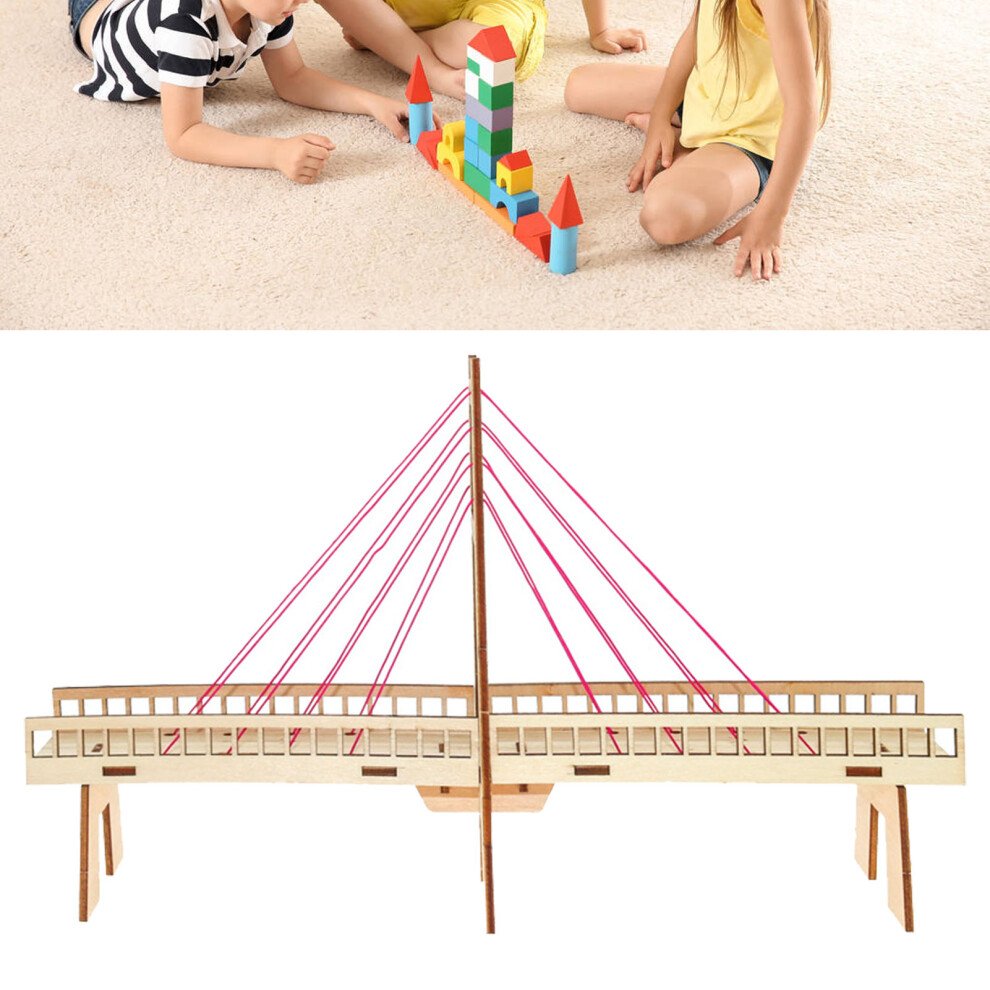
    1. DIY Wooden Bridge Kids Puzzle – Educational Assembly Toy for Ages 6+

    DIY Wooden Bridge Kids Puzzle - Educational Assembly Toy for Ages 6+

    DIY Wooden Bridge Kids Puzzle – Educational Assembly Toy for Ages 6+

    by OnBuy.com

    $10.52

    Check Price →

    2. Sloth 24 Piece Kids Puzzle – Fun & Educational Puzzle for Ages 4+

    Sloth 24 Piece Kids Puzzle - Fun & Educational Puzzle for Ages 4+

    Sloth 24 Piece Kids Puzzle – Fun & Educational Puzzle for Ages 4+

    by DiscountMags.com

    $14.99

    Check Price →

    3. 100 Piece Puzzles – Large Piece Puzzles For Senior Adults Kids Puzzle Ages 5-8 Jigsaw Puzzle For Kids Ages 4-6 6-8 8-10 Year Old Educational Toys For

    100 Piece Puzzles -  Large Piece Puzzles For Senior Adults Kids Puzzle Ages 5-8 Jigsaw Puzzle For Kids Ages 4-6 6-8 8-10 Year Old Educational Toys For

    100 Piece Puzzles – Large Piece Puzzles For Senior Adults Kids Puzzle Ages 5-8 Jigsaw Puzzle For Kids Ages 4-6 6-8 8-10 Year Old Educational Toys For

    by SHEIN

    $26.98

    Check Price →

  • Screen-Free Activities That Boost Concentration In Children

    Screen-Free Activities That Boost Concentration In Children

    I remember sitting on the floor with my nephew last summer, watching him struggle to finish a single puzzle. Every thirty seconds, his eyes would dart toward the tablet sitting on the coffee table. It felt like his attention was being pulled in a dozen directions at once. If you have ever felt that same frustration, you aren’t alone. We live in a world of instant gratification, where a quick swipe can provide an endless stream of dopamine. While technology has its place, it often trains young brains to crave constant stimulation, making it harder for them to focus on tasks that require patience and deep thought.

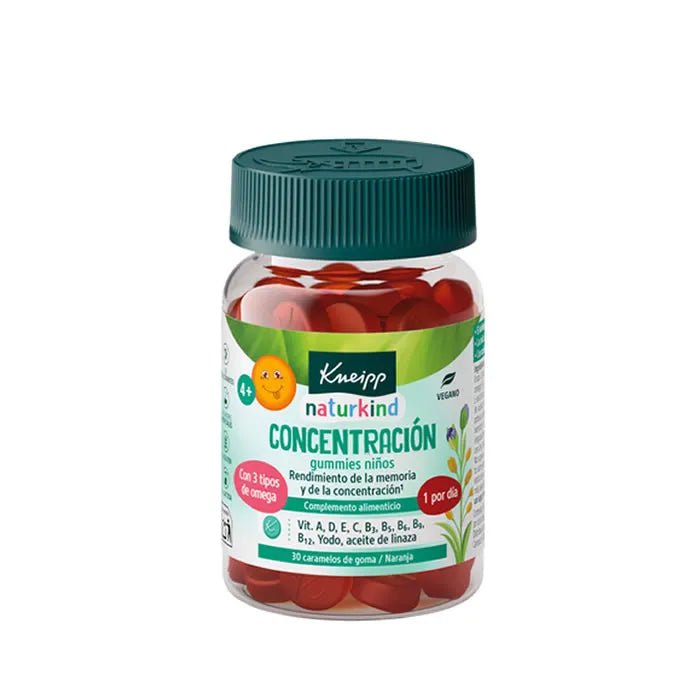
    Kneipp Children Concentration 30 Gummy Candies

    The good news is that you can help rebuild that “focus muscle” without needing a massive budget or a complete lifestyle overhaul. By introducing specific, tactile, and engaging tasks, you can help your child learn how to settle into a single activity for longer periods. These activities aren’t just about keeping them busy; they are about teaching their brains how to engage with the world around them without a backlight.

    Why disconnecting helps the developing brain

    When children engage with screens, they are often in a passive state of consumption. The rapid-fire imagery and sound effects create a high-intensity environment that makes real-life tasks—like reading a book or building a Lego set—seem incredibly boring by comparison. This is where the concept of “boredom” actually becomes a tool. When a child is bored, their brain starts looking for ways to entertain itself, often leading to creative problem-solving.

    Engaging in physical, hands-on tasks promotes neuroplasticity. These activities require sensory input, which helps ground a child in the present moment. As they handle the textures, weights, and complexities of a physical object, they are practicing the very essence of concentration: sustained attention to detail.

    Hands-on activities for toddlers and preschoolers

    For the youngest learners, concentration is all about sensory exploration. At this age, they don’t need complex rules; they just need something that captures their tactile curiosity.

    Sensory bins and texture play

    Filling a plastic tub with dried rice, beans, or even water beads can keep a toddler occupied for a surprisingly long time. Adding small hidden objects like plastic dinosaurs or colorful pebbles turns a simple sensory experience into a scavenger hunt. This is an educational way to work on fine motor skills while encouraging them to focus on a singular, repetitive motion.

    Simple sorting games

    Grab a muffin tin and a bowl of multi-colored buttons or large pom-ons. Asking a preschooler to sort the items by color or size is a great way to introduce early math concepts. It is a budget friendly way to practice categorization, which is a fundamental building block for logical thinking.

    Safety Note: Always supervise toddlers during sensory play, especially when using small items like beans or buttons, to prevent choking hazards.

    Engaging tasks for school-aged children

    Once kids enter school, their ability to follow multi-step instructions grows. This is the perfect time to introduce activities that require a bit more strategy and persistence.

    Complex building sets and puzzles

    Whether it is wooden blocks, magnetic tiles, or classic jigsaw puzzles, construction-based play is unmatched for building stamina. A puzzle requires a child to look at a small piece, analyze its shape, and scan the larger picture to find a match. This process of trial and error is exactly what helps strengthen their ability to concentrate on difficult schoolwork later on.

    Artistic endeavors and detailed coloring

    Moving beyond simple scribbles, you can introduce watercolor painting, clay modeling, or intricate coloring books. These mediums require a level of precision that forces a child to slow down. Working with clay, in particular, provides excellent proprioceptive input, which can be very calming for children who struggle with restlessness.

    Board games and strategy play

    Games like Chess, Checkers, or even simple card games like Uno teach children to anticipate moves and follow a set of rules. These games are age appropriate for various skill levels and provide a social element that screens often lack. Learning to wait for your turn is a vital lesson in impulse control.

    Activities for older children and tweens

    As kids get older, they often crave more autonomy and complexity. The goal here is to find hobbies that are challenging enough to prevent them from reaching for a phone.

    • Model building: Kits involving airplanes, cars, or architecture require intense focus and steady hands.
    • Learning a musical instrument: This is perhaps the ultimate concentration builder, as it requires simultaneous focus on rhythm, melody, and physical technique.
    • Cooking and baking: Following a recipe is a multi-sensory experience that involves reading, measuring, and timing. It’s a practical life skill that rewards patience with a delicious result.
    • Gardening: Tending to a small herb garden teaches the long-term rewards of consistent, daily care.

    Creating a screen-free environment

    It is difficult to expect a child to focus on a book if a bright, noisy device is sitting right next to them. Creating a “focus zone” can make a significant difference. This doesn’t mean you need a dedicated playroom, but rather a designated space in your home that is a strictly tech-free area.

    You might also consider setting “tech-free windows” during the day, such as during dinner or the hour before bedtime. This helps regulate their nervous system and prepares their brain for deeper, more restorative sleep. When we reduce the constant noise of digital notifications, we give their minds the space they need to wander, wonder, and eventually, focus.

    If you are looking for more ways to support your child’s development through play, check out our library of activity guides designed for every age and stage. Let’s work together to help our kids find joy in the offline world!

    Our Top Picks

    Products we recommend:

    1. 150+ Screen-Free Activities for Kids

    150+ Screen-Free Activities for Kids

    150+ Screen-Free Activities for Kids

    by Knetbooks.com

    $18.88

    Check Price →

    2. 150+ Screen-Free Activities for Kids (eBook)

    150+ Screen-Free Activities for Kids (eBook)

    150+ Screen-Free Activities for Kids (eBook)

    by VitalSource

    $13.99

    Check Price →

    3. Colorful Toddler Puzzle In Bright Shades Designed For Cognitive Learning Activities That Improve Problem Solving And Promote Screen Free Creative

    Colorful Toddler Puzzle In Bright Shades Designed For Cognitive Learning Activities That Improve Problem Solving And Promote Screen Free Creative

    Colorful Toddler Puzzle In Bright Shades Designed For Cognitive Learning Activities That Improve Problem Solving And Promote Screen Free Creative

    by OnBuy.com

    $18.48

    Check Price →

  • How Mazes Improve Problem-Solving Skills In Children

    How Mazes Improve Problem-Solving Skills In Children

    Have you ever watched a child sit completely motionless, brow furrowed, pencil hovering over a piece of paper, only to suddenly gasp and cheer when they find the exit? There is something incredibly captivating about a good maze. It isn’t just a way to kill time on a long car ride; it is a miniature training ground for the brain. While it looks like simple play, what is happening inside that little head is actually a complex series of cognitive maneuvers.

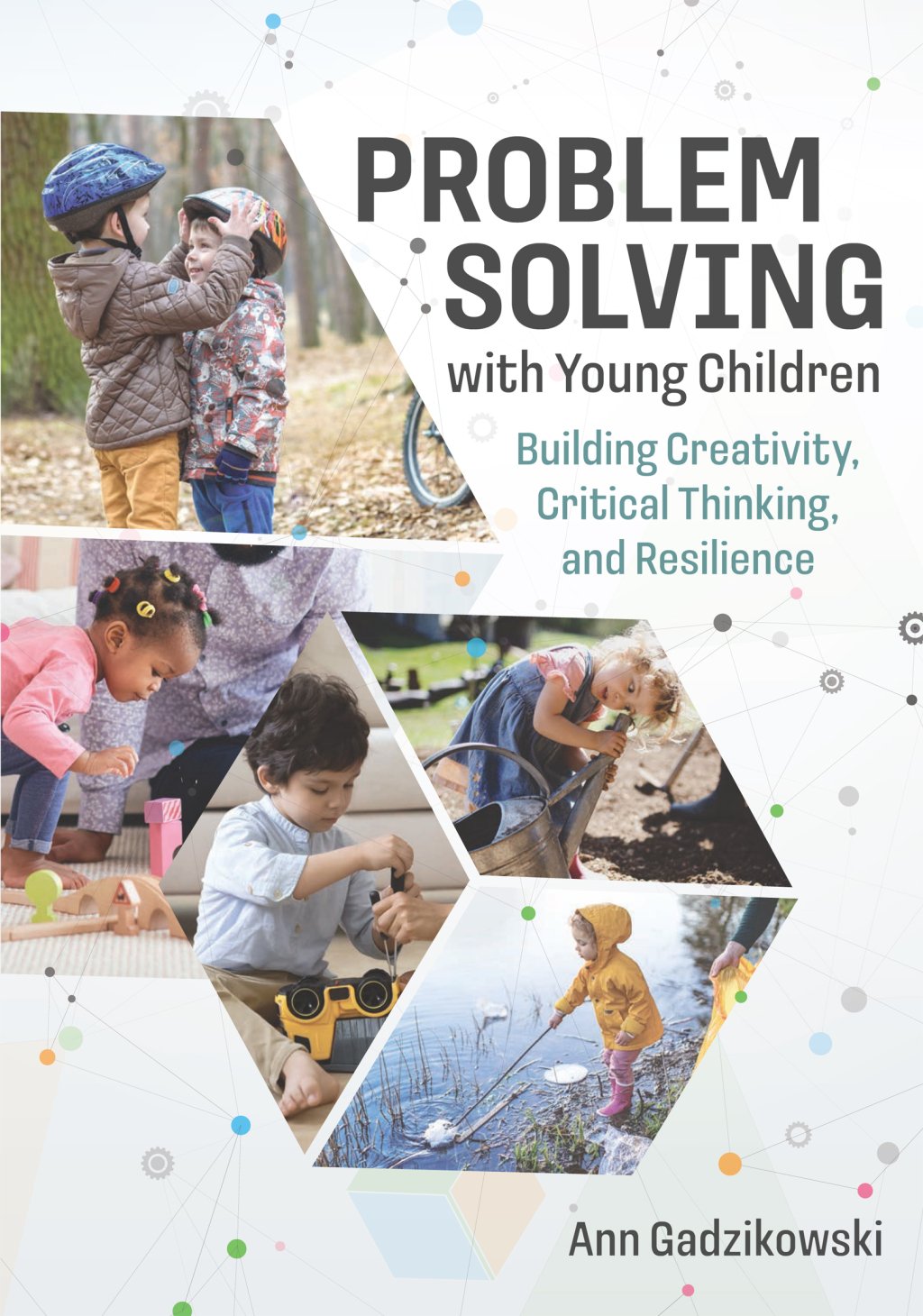
    Problem Solving with Young Children (eBook Rental)

    As parents, we are always looking for ways to help our kids develop critical thinking without making them feel like they are doing “work.” Mazes are one of’ those rare gems. They provide a natural way to practice trial and error, planning, and persistence. In this guide, we will look at how these winding paths help shape a child’s ability to tackle real-world challenges.

    The cognitive mechanics of navigating a path

    When a child enters a maze, they aren’t just moving a pencil or a body through a corridor. They are performing several high-level mental tasks simultaneously. First, they have to process visual information to identify walls and openings. This requires spatial awareness—the ability to understand how objects relate to one another in space.

    Next comes the element of prediction. A child looks at a junction and thinks, “If I go left, will I hit a dead end?” This is the foundation of logical reasoning. They are essentially running mental simulations of different outcomes before committing to a physical move. This process builds the neural pathways responsible for strategic thinking, which is a skill that translates directly to math, science, and even social interactions later in life.

    Developing spatial reasoning and fine motor skills

    Beyond the logic, there is a physical component to mazes. For younger children working on paper mazes, the act of navigating narrow corridors requires significant hand-eye coordination. They have to control the pencil precisely to avoid hitting the “walls” of the printed lines. This strengthens the small muscles in the hands, which is vital for learning to write.

    For those playing with physical, 3D mazes or even large-scale garden mazes, the benefits expand. They are learning to navigate their own bodies through space, understanding depth, distance, and scale. This physical engagement helps ground their cognitive learning in real-world movement.

    Building resilience through trial and error

    One of the most underrated benefits of mazes is how they teach kids to handle failure. In a maze, hitting a dead end isn’t a disaster; it’s just a piece of information. It tells the child, “That path didn’t work, let’s try another.” This is the essence of the scientific method: forming a hypothesis, testing it, and adjusting based on the results.

    Learning that a mistake is not the end of the world is a huge developmental milestone. Many children struggle with perfectionism or get frustrated when they can’t get something right on the first try. Mazes provide a low-stakes environment where hitting a dead end is part of the fun. It fosters a growth mindset, teaching them that persistence is often more important than immediate success.

    Age-appropriate maze activities

    Not all mazes are created equal. To keep a child engaged and prevent frustration, it is helpful to match the difficulty to their developmental stage. Here is a quick breakdown of what to look for:

    • Toddlers (Ages 2-3): At this stage, focus on very simple paths with wide openings. You might even start with “sensory mazes” using tape on the floor. These are best for toddlers because they focus more on movement and basic direction (left, right, forward) rather than complex logic.
    • Preschoolers (Ages 4-5):: You can introduce paper mazes with more turns and perhaps a few dead ends. They are also ready for “obstacle course” style mazes in the living room using pillows and cushions.
    • Early Elementary (Ages 6-8): This is the sweet spot for complex paper mazes and 3D wooden puzzles. They can handle more intricate paths and are starting to use more advanced planning skills.
    • Older Children (Ages 9+):: For older kids, look for mazes that involve multiple layers, such as 3D mazes or even digital logic puzzles that require them to manage multiple variables at once.

    Indoor vs outdoor maze ideas

    Depending on the weather and your space, you can vary the type of mazes you present. This keeps the learning fresh and prevents boredom.

    Indoor options are great for rainy days and are incredibly budget friendly. You can create a “tape maze” on the carpet using painter’s tape, or use household items like chairs and blankets to create a tunnel system. These indoor setups are excellent for developing gross motor skills and spatial awareness in a controlled environment.

    Outdoor mazes offer a different kind of stimulation. If you have a backyard, you can use sticks, stones, or even large garden pots to create a path. Outdoor play often involves more sensory input—feeling the wind, hearing birds, and navigating uneven terrain—which adds another layer to their cognitive development. It’s a great way to combine physical exercise with mental exercise.

    Safety considerations for maze play

    While mazes are generally very safe, there are a few things to keep in mind, especially when creating DIY versions at home. If you are building an indoor obstacle maze, ensure that the “walls” (like cushions or chairs) are stable and won’t fall on a child. Make sure the pathways are wide enough so they don’t trip or get stuck.

    When playing outdoors, always supervise younger children, especially if the maze involves uneven ground or natural elements like sticks. The goal is to challenge them, not to create a tripping hazard. Always ensure that the “exit” of your maze is clearly visible or easily reachable so a child never feels truly trapped or overwhelmed.

    Summary of developmental benefits

    To recap, why should you keep a stash of mazes handy? Here is a quick look at what your child is gaining:

    1. Improved Focus: Navigating a path requires sustained attention.
    2. Logical Reasoning: Testing paths and predicting outcomes.
    3. Fine Motor Control: Precise movements for paper-based mazes.
    4. Emotional Regulation: Learning to manage frustration when hitting dead ends.
    5. Spatial Awareness: Understanding their position in relation to boundaries.

    Next time you see your child staring intensely at a maze, remember that they aren’t just playing. They are building the mental toolkit they will use for the rest of their lives. Whether it is a simple drawing on a napkin or a massive backyard adventure, the winding paths are leading them toward much bigger breakthroughs.

    Want to boost your child’s brainpower this weekend? Grab some painter’s tape and turn your hallway into a labyrinth, or head to the library to find a new book of puzzles. It is a simple, fun, and effective way to support their growth!

  • How Mazes Improve Problem-Solving Skills In Children

    How Mazes Improve Problem-Solving Skills In Children

    I remember sitting on the floor of my living room when I was about five years old, staring intensely at a single sheet of paper. I had a pencil gripped in my hand, and my entire universe consisted of finding a tiny path through a series of winding black lines. I wasn’t just playing; I was on a mission. Looking back, that simple activity was doing much more for my brain than I realized at the time.

    Problem Solving with Young Children (eBook Rental)

    Mazes are often dismissed as mere “time-fillers” for long car rides or rainy afternoons. However, beneath the surface of those twisting paths lies a surprisingly effective workout for a developing mind. When a child sits down with a maze, they aren’t just tracing lines; they are engaging in a complex cognitive process that builds the foundation for logical thinking and persistence.

    The Cognitive Workout Happening Under the Surface

    Every time a child hits a dead end, something incredible happens in their brain. Instead of just stopping, they have to backtrack, re-evaluate their previous choices, and look for a new route. This is the essence of trial and all-out error learning. It teaches them that mistakes aren’t failures—they are simply data points that help them find the right way forward.

    This process builds several key mental muscles:

    • Spatial Awareness: Navigating a 2D drawing requires understanding how shapes and boundaries interact.
    • Executive Function: Children have to plan their moves ahead of time, which strengthens their ability to focus and ignore distractions.
    • Working Memory: They must remember which paths they have already explored so they don’t repeat the same mistakes.
    • Visual Discrimination: Distinguishing between a clear path and a wall requires sharp visual processing.

    Breaking Down Benefits by Age Group

    Not all mazes are created equal. A maze that is too easy won’t provide any challenge, while one that is too complex can lead to frustration and a total loss of interest. Finding the age appropriate level of difficulty is the secret to keeping the learning benefits high.

    Toddlers and Preschoolers (Ages 2-4)

    For the youngest learners, the goal isn’t necessarily to reach a finish line. Instead, focus on “path-finding” activities. You might use simple, wide tracks where they can move a finger or a small toy car through a very clear, unobstructed route. These are best for toddlers because they focus on hand-eye coordination and basic directional concepts like “left,” “right,” “up,” and “down.” Look for mazes with large, chunky lines that are easy for small hands to follow.

    Early Elementary (Ages 5-7)

    At this stage, children are ready for more traditional paper-and-pencil mazes. They can handle dead ends and more intricate turns. This is where the real problem-solving begins. They start to develop the ability to “pre-scan” the maze with their eyes before they even touch the pencil to the paper. This predictive behavior is a huge milestone in cognitive development.

    Older Children (Ages 8+)

    For older kids, you can introduce 3D mazes, much more complex logic puzzles, or even mazes that require them to follow specific rules (like “you can only turn left”). These advanced challenges keep their brains engaged and prevent the “boredom slump” that often happens with repetitive tasks. At this age, the focus shifts toward strategic planning and complex pattern recognition.

    Practical Tips for Parents and Educators

    You don’t need an expensive subscription to a puzzle club to make this work. In fact, some of the most effective ways to use mazes are quite budget friendly. You can print them from free websites, draw them yourself on a whiteboard, or even use painter’s tape on the floor to create a “human-sized” maze for them to walk through.

    Here are a few ways to level up the experience:

    1. Use different mediums: Let them trace paths in sand, with finger paint, or with sidewalk chalk. Changing the texture keeps the sensory engagement high.
    2. Narrate the process: If you see them getting stuck, don’t give them the answer. Instead, ask questions like, “What happened when you went down that left turn?” This encourages them to verbalize their logic.
    3. Introduce a timer: For kids who love a challenge, adding a stopwatch can turn a solo activity into a fun, competitive game against their own previous record.

    Safety and Frustration Management

    While we want to encourage challenge, we also need to watch for signs of overwhelm. If a child starts scribbling aggressively or pushing the paper away, the difficulty level is likely too high. It is vital to ensure the task remains a positive experience rather than a source of stress. If they hit a wall, offer a “hint” rather than a solution. A small nudge in the right direction can prevent a meltdown while still allowing them the satisfaction of finishing the task themselves.

    Always ensure that any materials used—especially for younger children—are non-toxic and appropriately sized to avoid choking hazards. If you are using physical maze toys, check for small parts that might be problematic for very young kids.

    Making Problem-Solving a Daily Habit

    The beauty of mazes is that they don’t require a dedicated “study time.” They can be a quiet activity during a flight, a way to wind down before bed, or a fun way to spend a Sunday morning. By integrating these small puzzles into their daily routine, you are helping them build a toolkit of mental strategies that they will use for the rest of their lives.

    If you want to start building these skills today, grab a simple set of printable mazes or a classic maze book. The goal isn’t perfection; it’s the journey through the twists and turns.

    Ready to boost your child’s brainpower? Start small, keep it fun, and watch their confidence grow with every path they find!

    Our Top Picks

    Products we recommend:

    1. Problem Solving Skills for Children, Ages 5-12

    Problem Solving Skills for Children, Ages 5-12

    Problem Solving Skills for Children, Ages 5-12

    by Knetbooks.com

    $12.43

    Check Price →

    2. Problem-solving Strategies and Skills

    Problem-solving Strategies and Skills

    Problem-solving Strategies and Skills

    by OnBuy.com

    $9.84

    Check Price →

    3. Building Reasoning and Problem-Solving Skills in Children with Autism Spectrum Disorder (eBook)

    Building Reasoning and Problem-Solving Skills in Children with Autism Spectrum Disorder (eBook)

    Building Reasoning and Problem-Solving Skills in Children with Autism Spectrum Disorder (eBook)

    by VitalSource

    $27.49

    Check Price →

  • Diy Learning Games Parents Can Make At Home

    Diy Learning Games Parents Can Make At Home

    We have all been there: it is a rainy Tuesday afternoon, the kids are climbing the furniture, and you are staring at a pile of empty cereal boxes and mismatched socks wondering how to turn this chaos into something productive. You want to help them learn, but you don’t want to turn your living room into a stressful classroom. The good news is that some of the most effective educational tools aren’t found in a toy store; they are sitting right in your recycling bin.

    Learning Games

    Creating your own activities is a budget friendly way to keep little minds engaged without breaking the bank. Beyond saving money, DIY games allow you to tailor the difficulty to exactly where your child is at developmentally. Whether you are looking for indoor vs outdoor options to burn off energy or quiet activities for a long car ride, making things by hand adds a layer of creativity that pre-made plastic toys just can’t match.

    Why DIY games work so well

    When children participate in making the game itself, they become more invested in the play. This sense of ownership boosts their confidence and keeps them focused for longer periods. Instead of just consuming a product, they are part of the creation process.

    From a developmental standpoint, these activities hit multiple milestones at once. You might think you are just playing with buttons, but you are actually working on fine motor skills, pattern recognition, and even basic math. Because you control the materials, you can easily adjust the complexity to ensure the task remains age appropriate and challenging enough to prevent boredom.

    Games for Toddlers (Ages 1-3)

    At this stage, everything is about sensory input and developing those tiny hand muscles. Focus on textures, colors, and simple sorting tasks.

    The Sensory Color Sort

    Gather a few empty egg cartons and some colorful items from around the house—think pom-poded, colorful scraps of fabric, or even large buttons. Paint the bottom of each egg carton slot a different color. Your toddler’s job is to match the object to the corresponding color slot.

    • Developmental benefit: Color recognition and hand-eye coordination.
    • Safety note: Always supervise closely. Small items like buttons are a choking hazard for children under three.

    Sticky Wall Art

    Tape a large piece of contact paper (the clear, sticky kind) to a wall or a window, sticky side facing out. Give your child lightweight items like bits of tissue paper, feathers, or yarn to stick onto the surface. It is a mess-free way to explore textures.

    • Developmental benefit: Sensory exploration and fine motor precision.
    • Safety note: Ensure the contact paper is taped securely so it doesn’t peel and become a trip hazard.

    Activities for Preschoolers (Ages 3-5)

    Preschoolers are starting to understand logic, counting, and following multi-step instructions. This is where you can introduce more “rules” to your games.

    The Number Match Scavenger Hunt

    This is a great way to bridge the gap between indoor vs outdoor play. Write numbers 1 through 10 on pieces of paper and hide them around the yard or the living room. Give your child a basket and ask them to find “one” item, then “two” items, and so on, matching the quantity to the number they find.

    • Developmental benefit: One-to-one correspondence and counting skills.
    • Tip: Use pinecones or pebbles for an outdoor version to add a nature element.

    Alphabet Soup

    Fill a large plastic bin with water and add some floating plastic letters (or letters written on waterproof stones). Give your child a slotted spoon or a small net. Ask them to “fish” for specific letters or find all the vowels.

    • Developmental benefit: Letter recognition and upper body strength.
    • Safety note: Water play requires constant supervision to prevent drowning risks, even in shallow bins.

    Games for Early Elementary (Ages 6-8)

    Kids in this age group are ready for more complex logic, spelling, and even basic arithmetic. They can also help you build these more intricate games.

    DIY Board Game Mania

    Grab a piece of heavy cardboard, some markers, and some old coins or pebbles to use as game pieces. Draw a winding path of squares. Some squares can have “instructions” like “Move forward two spaces” or “Go back to start.” You can even incorporate spelling words by making them “pay” a word to pass a certain square.

    • Developmental benefit: Strategic thinking, literacy, and following complex rules.
    • Bonus: Let your child design the board; it turns a learning moment into a collaborative art project.

    DIY Memory Match

    Using index cards or even sturdy cereal box cardboard, draw simple pairs of shapes, animals, or numbers. Lay them face down and take turns flipping them over to find matches.

    • Developmental benefit: Short-term memory and concentration.
    • Tip: To make it harder, use more cards or more complex patterns.

    Quick Tips for Success

    Creating these games doesn’t have to take hours. To keep it stress-free, keep a “creation bin” in your pantry or craft closet. This bin should hold things like scissors, tape, markers, empty containers, and scraps of paper. When you have a spare moment, you can quickly whip up a new activity without a frantic search for supplies.

    Remember to keep the focus on the process rather than the result. If the “Alphabet Soup” ends up being a giant splash zone, that’s okay. The goal is engagement and curiosity, not a perfectly tidy room. If a game isn’t working, don’t force it. Simply pivot to something else or try again another day with a different twist.

    Ready to turn your recycling bin into a learning lab? Grab some tape and start small with one of these ideas today. Your kids—and your wallet—will thank you!

    Our Top Picks

    Products we recommend:

    1. Wrapped – Crêpes, wraps and rolls you can make at home

    Wrapped - Crêpes, wraps and rolls you can make at home

    Wrapped – Crêpes, wraps and rolls you can make at home

    by OnBuy.com

    $18.08

    Check Price →

    2. Learning At Home Colours

    Learning At Home Colours

    Learning At Home Colours

    by Allegro.pl

    $6.51

    Check Price →

    3. Learning English at Home

    Learning English at Home

    Learning English at Home

    by Indigo Books & Music

    $100.95

    Check Price →