We have all been there. You look over, and your child has been staring at a tablet for forty minutes, completely motionless, with that glazed-over expression. While those quick hits of dopamine from colorful animations are easy for kids to consume, they don’t exactly train the brain to focus on harder, more complex tasks. The constant switching between fast-paced scenes can actually make it harder for them to settle down when it’s time for homework or reading.

The good news is that you don”t need to ban technology forever to see a difference. Instead, focusing on building “attention muscles” through different types of play can help. By introducing activities that require sustained effort, you are helping their brains learn how to resist distractions. Let’s look at some practical, fun, and budget friendly ways to help your child rediscover their focus.
Why screen-free play matters for brain development
When a child watches a video, they are in a passive state. Information is being pushed at them, and their brain doesn’t have to work to bridge gaps or solve problems. This is quite different from active play, where the child must navigate obstacles, follow rules, or create a storyline from scratch.
Engaging in tactile, hands-on activities helps develop the prefrontal cortex—the part of the brain responsible for executive functions like planning, impulse control, and focus. When kids engage with the physical world, they receive sensory feedback that keeps them grounded in the present moment, making it much easier to practice staying on task.
Activities for Toddlers and Preschoolers (Ages 2-4)
At this age, concentration spans are naturally short, so the goal isn’t to force them to sit still for an hour. Instead, we want to encourage “flow”—that state where they are so absorbed in a task that they lose track of time.
Sensory bins and tactile exploration
Filling a plastic tub with rice, dried beans, or even water and small hidden objects is a fantastic way to build focus. This is an educational way to introduce textures and counting while keeping their hands busy. Small tasks, like using tweezers to pick up pom-ons out of the rice, help refine fine motor skills and require a steady hand.
Sorting and categorizing
Grab a muffin tin and a handful of colorful buttons or different shaped pasta. Asking a toddler to sort them by color or size is a simple way to practice cognitive endurance. It feels like a game, but they are actually practicing the ability to follow a single instruction through to completion.
Safety Note: Always supervise toddlers with small objects like buttons or beads to prevent choking hazards.
Engaging Older Kids (Ages 5-8)
Once children enter school age, they can handle more complex rules and longer periods of concentration. This is the prime time to introduce activities that require “deep work” principles.
Complex Puzzles and Building Sets
Whether it is a classic jigsaw puzzle or a set of wooden blocks, these activities require spatial reasoning and persistence. When a piece doesn’t fit, the child has to stop, evaluate, and try a new strategy. This builds frustration tolerance, which is a huge component of concentration.
Artistic expression and detailed coloring
Moving beyond simple scribbles to detailed coloring books or even basic watercolor painting requires a level of precision. This type of “slow” art encourages them to focus on small details and boundaries, which translates well to handwriting and reading comprehension later on.
Board games with strategy
Games like Checkers, Connect Four, or even simple card games like Uno require players to track moves and anticipate what might happen next. This mental “look-ahead” is a core skill for sustained attention.
Deep Focus for Older Children (Ages 9+)
As kids get older, they can tackle much more demanding hobbies. The key here is to find something they are genuinely interested in, so the effort feels rewarding rather than like a chore.
Model building and intricate crafts
Building model airplanes, complex LEGO sets, or even learning basic origami requires immense patience. These projects have a clear end goal, which provides a sense of accomplishment that keeps them motivated to stay focused through the difficult middle stages.
Nature journaling and observation
This is a great way to bridge the indoor vs outdoor gap. Give them a sketchbook and a magnifying glass and ask them to document the insects, leaves, or birds they see in the backyard. This requires them to observe closely and remain still, which is excellent training for a wandering mind.
Strategy-based hobbies
Learning chess or even complex card games like Bridge can be incredibly beneficial. These hobbies are essentially “brain gym” sessions that demand high-level concentration and memory.
Finding the balance between indoor and outdoor play
It is easy to think that concentration only happens at a desk, but movement plays a massive role. Sometimes, a child’s inability to focus is actually a sign that they have too much pent-up energy. Outdoor play provides the sensory input needed to “reset” the nervous system.
- Obstacle courses: Building a course in the yard requires planning and physical coordination.
- Scavenger hunts: This turns a simple walk into a mission-based task.
- Gardening: Digging in the dirt and caring for a plant teaches long-term commitment and patience.
By alternating between high-energy outdoor movement and calm indoor tasks, you create a balanced environment that supports a healthy attention span.
Quick tips for parents
If you are looking to implement these changes, don’t try to overhaul your entire routine overnight. Start small. You might notice that even fifteen minutes of dedicated, screen-free play can change the energy in your home.
- Create a dedicated “quiet corner” for reading or puzzles.
- Model the behavior. If we want them off their phones, we need to put ours down too.
- Keep supplies accessible. If the art supplies are hidden in a high closet, they won’t use them.
- Focus on the process, not the result. It doesn’t matter if the drawing is messy; what matters is that they stayed with the task.
If you found these ideas helpful, why not pick one activity to try this weekend? Grab some old buttons or a dusty puzzle from the attic and see how your child responds. Small shifts in how we play can lead to much stronger focus in the long run.
Our Top Picks
Products we recommend:
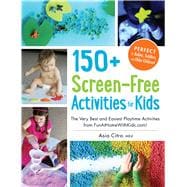
1. 150+ Screen-Free Activities for Kids

2. 150+ Screen-Free Activities for Kids

3. 150+ Screen-Free Activities for Kids