Category: Blog

Your blog category

  • Summer Learning Workbooks That Kids Actually Enjoy

    Summer Learning Workbooks That Kids Actually Enjoy

    We’ve all been there. The final school bell rings, the sun is shining, and suddenly the “summer slide” feels like a looming shadow over your vacation plans. You want your child to keep their skills sharp, but the last thing anyone needs is a household full of tears caused by repetitive, dry math drills or boring grammar worksheets. Let’s be honest: most traditional workbooks feel like an extension of the classroom, and during July, the classroom should stay closed.

    The secret to successful summer learning isn”t about adding more hours of study; it’s about finding materials that feel like play. When a workbook features cool animals, mystery solving, or colorful puzzles, kids stop seeing it as “work” and start seeing it as a morning activity. Finding the right balance between education and entertainment is how you prevent burnout while keeping those brain muscles active.

    How to choose the right materials for your child

    Before you start scrolling through endless Amazon listings, take a second to assess where your child is actually at. It might be tempting to grab a high-level workbook to “get ahead,” but if the content is too difficult, they’ll quickly lose interest and associate learning with frustration.

    Matching the difficulty to their level

    Always look for age appropriate content that meets them where they are. If your second grader struggled with subtraction this spring, a third-grade workbook will likely be a recipe for a meltdown. Look for books that offer a slight challenge—maybe one step above their current grade—but still allow them to experience frequent wins.

    Focusing on interests rather than just subjects

    If your kid is obsessed with dinosaurs, look for science or reading workbooks centered around paleontology. If they love space, find something that uses astronomy to teach math. When the subject matter captures their imagination, the academic side becomes secondary to the fun of learning about their favorite topic.

    Top workbook styles that kids actually like

    Not all workbooks are created equal. Some are essentially just textbooks in paper form, while others are designed specifically for engagement. Here are a few types that tend to be much more successful during the summer months.

    • Activity-Based Workbooks: These focus on logic puzzles, mazes, and word searches. They are great for building critical thinking without feeling like a test.
    • Themed Learning Sets: These use a narrative (like a detective mystery) to guide the child through math problems or reading comprehension.
    • Doodle and Color Workbooks: For younger children, workbooks that incorporate coloring alongside letter tracing or number recognition are much more approachable.
    • Science Experiment Logs: While not strictly “workbooks,” these allow kids to record observations from hands-on activities, bridging the gap between paper and real-world play.

    Recommendations by age group

    Every developmental stage requires a different approach to learning. What works for a preschooler will be incredibly boring for a fifth grader.

    Preschool and Kindergarten (Ages 3-5)

    At this age, the goal is fine motor skills and basic recognition. Look for “wipe-clean” books that allow them to practice tracing letters or shapes with a dry-erase marker. These are incredibly budget friendly because you can reuse them all summer long. Focus on bright colors, stickers, and tactile elements.

    Early Elementary (Ages 6-8)

    This is the prime age for “fun math” and reading adventures. Look for books that use storytelling to teach concepts. At this stage, you can introduce more complex logic puzzles. Safety note: If you are using workbooks that involve small stickers or loose parts, always supervise younger children to avoid choking hazards.

    Upper Elementary (Ages 9-11)

    Older kids need more autonomy. They often enjoy “Escape Room” style workbooks where they have to solve math problems or decode messages to “unlock” the next page. This age group also benefits from science-heavy workbooks that allow them to explore topics like coding, anatomy, or ecology.

    Integrating learning into your summer routine

    You don’t need to schedule a formal “study hour” at 9:00 AM every morning. In fact, that might backfire. Instead, try to integrate these materials into the natural flow of your day. You can think about your strategy in terms of indoor vs outdoor settings.

    On hot, humid afternoons when everyone is stuck inside, a workbook is a perfect way to pass the time while staying cool. It provides a structured activity that doesn’t involve a screen. Conversely, on a rainy day at a park or a quiet morning in a shady spot under a tree, a light activity book can accompany a picnic.

    A few tips for a smooth routine:

    1. Keep it short: 15 to 20 minutes is often plenty.
    2. Set your own example: Sit nearby and read your own book while they work on theirs.
    3. Use rewards: Not necessarily candy or toys, but perhaps an extra 15 minutes of pool time or choosing the movie for family night.

    Final thoughts on avoiding the summer slump

    The goal of summer learning isn’t perfection; it’s continuity. You aren’t trying to turn your child into a scholar overnight, you are simply trying to keep the gears turning so that when September rolls around, they feel confident and ready. By choosing books that spark curiosity and fitting them into your existing lifestyle, you can enjoy a vacation that is both relaxing for you and enriching for them.

    If you’re feeling overwhelmed by choices, start small. Pick one subject your child enjoys most and find one high-quality book to start with. You might be surprised at how much they actually want to dive in!

    Ready to find the perfect summer companion for your child? Check out our curated list of top-rated activity books below!


  • Printable Activity Pages For Road Trips With Kids

    Printable Activity Pages For Road Trips With Kids

    We have all been there. You are forty minutes into a six-hour drive, the snacks are already half-gone, and the backseat has officially turned into a tiny theater of chaos. The “Are we there yet?” chorus begins, and suddenly, your peaceful family getaway feels more like an endurance test. While tablets and movies can offer temporary relief, they often lead to screen fatigue or motion sickness. That is why I have become a huge advocate for the humble, paper-and-crayon approach.

    Printable activity pages are my secret weapon for long hauls. They are budget friendly, easy to swap out when a child gets bored, and they don’t require a charger. More importantly, they provide a much-needed mental break from the movement of the car, helping kids focus on something tactile. Whether you are driving across state lines or just heading to a nearby national park, having a folder of prepared pages can save your sanity.

    Why Paper Activities Beat Screens Sometimes

    Digital devices are great for short bursts, but there is a unique fatigue that comes from staring at a glowing screen in a moving vehicle. For many children, the visual input from a tablet combined with the motion of the road can trigger nausea. Paper activities offer a different kind of engagement—one that encourages observation and fine motor skills without the blue light.

    Beyond avoiding motion sickness, these activities foster cognitive development. When kids engage in coloring, pattern recognition, or word searches, they are practicing concentration and problem-solving. It turns “dead time” into a chance for quiet, focused play. Plus, there is no way to lose a packet of paper under a car seat quite as easily as a small electronic device.

    Choosing the Right Activities by Age

    Not all printables are created equal. What keeps a toddler occupied will likely bore a ten-year-old to tears. To keep the peace, you need to curate a selection that is age appropriate for each passenger.

    Toddlers and Preschoolers (Ages 2-4)

    At this age, fine motor skills are still developing, so avoid anything too intricate. Look for pages that focus on big shapes and simple recognition.

    • Large-scale coloring pages: Thick lines make it easier for small hands to stay within the boundaries.
    • compatibility with dot-to-dot: Simple paths (1 to 5 or 1 to 10) are great for early number recognition.

    • Shape matching: Pages where they can circle all the circles or squares in a picture.
    • Sticker activity mats: Combining printables with stickers adds a sensory element that keeps them engaged longer.

    Early Elementary (Ages 5-7)

    Kids in this bracket are starting to master reading and basic logic, so you can introduce more complexity.

    • I-Spy challenges: Printables that ask them to find specific items (like “find five red cars” or “find three clouds”).
    • Mazes: Simple paths that require a bit of planning and directionality.
    • Alphabet hunts: A page where they can check off letters as they see them on road signs.

    Older Kids (Ages 8-12)

    For the older crowd, you need something that challenges their intellect or allows for creative expression.

    • Word searches and crosswords: These are classics for a reason; they require deep focus.
    • Sudoku: A fantastic way to keep the brain sharp during long stretches of highway.
    • able-bodied drawing prompts: “Draw what you think the destination looks like” or “Design your own superhero.”

    • License plate bingo: A more interactive version of a scavenger hunt that requires them to scan the surrounding traffic.

    Safety and Comfort Tips for Car Play

    While we want the kids to be busy, we also need to keep everyone safe. It is easy to get so caught up in finding the perfect printable that we forget about the logistics of a moving vehicle.

    First, avoid any activities that require sharp objects like small scissors or heavy-duty glue sticks. If you use markers, stick to washable ones and ensure the caps are tight to prevent leaks on your upholstery. I also recommend using a clipboards for every child. This provides a sturdy surface for writing or coloring, which is essential when the car is turning or hitting bumps.

    Another tip is to keep the “work zone” contained. Use a small plastic bin or a dedicated organizer hanging from the seatback. This prevents a mountain of loose papers and stray crayons from migrating into the footwells, where they become tripping hazards for you when you need to reach for something.

    Planning for Indoor vs Outdoor Breaks

    A road trip isn’t just about what happens inside the car. A great strategy is to prepare a “dual-purpose” activity pack. When you stop at a rest area or a park, you can transition from indoor vs outdoor play seamlessly.

    For example, a nature scavenger hunt printable works beautifully while sitting in the car (looking out the window), but it becomes an active game once you pull over for a picnic. Having a set of “outdoor” printables ensures that even when you aren’t moving, the engagement continues. This prevents that restless energy from building up too much before the next leg of the journey.

    How to Prepare Your Travel Pack

    To make this as stress-free as possible, do your prep work at least two days before departure. Here is my recommended workflow:

    1. Download and print a variety of themes (animals, space, vehicles).
    2. Organize them into individual folders—one for each child.
    3. _

    4. Pack a “refill” kit containing extra crayons, pencils, and erasers.
    5. Include a few blank pages for when they want to invent their own games.

    By taking these small steps, you transform the car from a place of boredom into a mobile classroom and art studio. You aren’t just passing time; you are creating a space where your kids can explore, create, and observe the world around them.

    Ready to make your next trip much smoother? Start browsing for some fun themes today and get those printables ready before you hit the road!

  • How Mazes Improve Problem-Solving Skills In Children

    How Mazes Improve Problem-Solving Skills In Children

    Remember those afternoons spent staring at a sheet of paper, pencil in hand, trying to find a way through a tangled web of lines? Most of us remember the frustration of hitting a dead end, followed by that tiny burst of triumph when we finally reached the exit. While it might have felt like just a way to pass the time, those little paper puzzles were actually doing some heavy lifting for our brains.

    As parents and educators, we are always looking for ways to help kids develop critical thinking abilities without making them feel like they are sitting through an extra math lesson. Mazes are one of those rare gems. They are simple, inexpensive, and incredibly effective at teaching children how to navigate obstacles. Instead of just following instructions, kids have to predict, react, and rethink their entire strategy when things go wrong.

    The cognitive mechanics behind the fun

    At first glance, a maze is just a path. But underneath that simple surface, several complex mental processes are happening simultaneously. When a child starts tracing a path, they aren’t just moving a crayon; they are engaging in active spatial reasoning.

    Spatial reasoning involves understanding how objects occupy space and how paths relate to one another. To solve a maze, a child has to visualize the layout of the entire puzzle before they even make their first move. They are essentially building a mental map of the “territory.” This ability to visualize structures is a foundational skill for later learning in subjects like geometry, engineering, and even reading comprehension.

    Developing trial and error resilience

    One of the most valuable lessons a maze teaches is how to handle failure. In a world that often prioritizes instant gratification, hitting a dead end is actually a healthy way to practice frustration tolerance. When a child reaches a wall in a maze, they face a choice: give up or pivot. This process of trial and continuous error helps them understand that mistakes are not the end of the road—they are just data points telling them which direction not to take next time.

    This mindset is exactly what we want to see in real-world problem-solving. If a science experiment fails or a Lego tower collapses, a child who has practiced navigating mazes is more likely to approach the setback with a “let’s try another way” attitude rather than a meltdown.

    Breaking it down by developmental stages

    Not all mazes are created equal. Just as you wouldn’t give a complex logic puzzle to a three-year-old, you shouldn’t expect a toddler to navigate a dense labyrinth of corridors. Tailoring the difficulty to your child’s age is key to keeping them engaged and preventing burnout.

    Toddlers and preschoolers: Building the basics

    For our youngest learners, the goal isn’t complexity; it’s fine motor control and basic directionality. At this stage, look for “path-following” activities rather than true logic puzzles. These are often best for toddlers because they involve wide, clear lanes that allow for easy movement with a chunky crayon or even just a finger.

    • Focus on simple lines that connect two recognizable objects (like a bee to a flower).
    • Use high-contrast colors to help them distinguish between the path and the boundaries.
    • Keep it short to maintain their fleeting attention spans.

    School-aged children: Introducing logic and strategy

    Once kids enter elementary school, they can handle more intricate layouts. This is where the “problem-solving” aspect really kicks in. They can start looking ahead, attempting to trace paths with their eyes before using their hands. At this age, you can introduce 3D mazes or even physical mazes made out of masking tape on the living room floor.

    • Introduce “dead end” traps that require them to backtrack significantly.
    • Use mazes that involve collecting items along the way (e.g., “Find the path to collect all three gems”).
    • Mix in different mediums, like water mazes or sand-based puzzles, to keep things fresh.

    Older children: Advanced spatial reasoning

    For older kids, mazes can become much more abstract. You might find them enjoying complex logic grids or even digital maze-building games. The challenge here is about efficiency—finding the shortest possible route rather than just any route.

    Practical ways to integrate mazes into daily life

    You don’t need a massive budget or a classroom setup to make this work. In fact, some of the most educational and budget friendly versions are the ones you can create yourself using items already in your junk drawer.

    One easy method is the “Tape Maze.” Use painter’s tape to create a labyrinth on your carpet or hardwood floor. Your child has to physically walk the path, perhaps carrying an object through it. This adds a physical, kinesthetic element to the cognitive challenge, which is great for kids who learn better when they are moving.

    Another idea is using household objects. A muffin tin and some marbles can create a mini-maze where the child must tilt the tin to guide the marble to a specific hole. This teaches gravity, momentum, and precise movement all at once. It’s a simple way to turn snack time into a brain workout.

    A note on safety and supervision

    While mazes are generally very safe, always keep an eye on the materials used for younger children. If you are using small objects like marbles or beads in a DIY maze, ensure they are large enough to avoid choking hazards. Additionally, if you are creating physical floor mazes, make sure the path doesn’t lead into any tripping hazards or areas with sharp furniture corners.

    Summary of developmental benefits

    1. Fine Motor Skills: Precise hand-eye coordination through tracing and drawing.
    2. Cognitive Flexibility: Learning to switch strategies when a path is blocked.
    3. Attention to Detail: Noticing small openings or subtle changes in the path.
    4. Spatial Awareness: Understanding boundaries, distances, and layouts.

    Ultimately, mazes are more than just a way to kill time on a rainy afternoon. They are tiny laboratories for the mind. By providing these simple challenges, you are helping your child build a toolkit of mental habits that will serve them well long after they have solved the puzzle on the page.

    If you’re looking for more ways to boost your child’s learning through play, try setting up a small “puzzle station” this week. Start simple, keep it fun, and watch how their persistence grows with every dead end they overcome.

  • Best Educational Puzzle Books For Kids Ages 6-10

    Best Educational Puzzle Books For Kids Ages 6-10


    If you have ever sat on a long car ride or waited in a doctor’s office with a restless six-year-old, you know that “screen time fatigue” is a very real thing. We all want to find activities that keep our kids engaged without handing them an iPad every five minutes. One of my favorite ways to bridge that gap is through puzzle books. They are easy to pack, relatively budget friendly, and offer a way for children to practice critical thinking while feeling like they are just playing a game.

    Finding the right balance between “too easy” (which leads to boredom) and “too hard” (which leads to frustration) is the trickiest part of picking books for this specific age range. Between ages 6 and 10, kids are undergoing massive shifts in logic, reading comprehension, and mathematical reasoning. A book that works for a first grader might be insulting to a fourth grader.

    < h2>Why Puzzle Books Matter for Brain Development

    Puzzles do much more than just pass the time during a rainy afternoon. When a child sits down with a word search or a logic grid, they are actually exercising several different cognitive muscles at once. These books provide an educational playground where mistakes don’t carry the pressure of a classroom test.

    Developing these skills early can lead to better problem-solving abilities later in life. Here are a few key areas where puzzles make an impact:

    • Pattern Recognition: Identifying sequences in number puzzles helps with foundational math skills.
    • Vocabulary Expansion: Word searches and crosswords introduce new terms in a way that feels like a scavenger hunt.
    • Focus and Stamina: Completing a single page requires sustained attention, which is a vital skill for schoolwork.
    • Fine Motor Skills: For the younger end of this age group, the physical act of circling words or drawing lines helps with hand-eye coordination.

    Top Recommendations for 6 to 7 Year Olds

    At this stage, children are often just transitioning from learning to read to reading to learn. They need plenty of visual cues and instructions that don”t require a parent to sit next to them for every single step.

    Simple Word Searches and Mazes

    For the younger crowd, look for books with larger print and fewer words per page. A word search with only 5-8 words per list is much more age appropriate than a dense grid of letters. These books help them recognize spelling patterns without being overwhelming.

    Dot-to-Dot and Picture Coding

    Connecting dots to reveal a hidden image is a fantastic way to practice number sequencing. It provides an immediate sense of accomplishment when the picture emerges, which builds confidence in their ability to complete tasks independently.

    Best Choices for 8 to 10 Year Olds

    Once kids hit the eight-year mark, they are ready for much more complex logic. They can handle multi-step instructions and can begin to use deductive reasoning—the “if this, then that” style of thinking.

    Logic Grid Puzzles

    These are my personal favorite for this age group. A logic grid presents a small mystery (like which kid owns which pet) and provides a list of clues. The child has to use the clues to eliminate possibilities. It is incredibly satisfying when they finally “crack the case.”

    Sudoku for Kids

    Don’t let the name intimidate you. There are specific versions designed for children that use smaller grids (like 4×4 or 6×6) and often include colorful icons instead of just numbers. This introduces the concept of spatial reasoning and logical placement without the heavy lifting of a standard newspaper Sudoku.

    Cryptograms and Secret Codes

    Kids this age usually love anything involving secrets. Cryptogram books, where they have to decode a message using a letter key, are excellent for practicing substitution patterns and improving reading comprehension through context clues.

    Practical Tips for Parents

    When you are browsing the aisles or scrolling through online shops, keep a few practical things in mind to ensure these books actually get used rather than gathering dust on a shelf.

    1. Check the Difficulty Level: Always look at sample pages if possible. If the instructions are a wall of text, a 6-year-old will likely give up immediately.
    2. Variety is Key: Instead of buying one massive book, try picking up several smaller, themed books (like dinosaurs, space, or animals). This keeps the novelty alive.
    3. Safety and Supervision: While puzzle books are generally very safe, always ensure that any small components (like included stickers or erasers) are age appropriate for younger children to avoid choking hazards.
    4. Mix it Up: Use these books as a supplement to other learning, not a replacement. They work best when paired with a bit of reading time or hands-on science activities.

    Ultimately, the goal is to foster a love for learning through play. When a child discovers that they can solve a difficult puzzle on their own, it creates a sense of pride that carries over into their schoolwork and beyond.

    If you are looking to expand your child’s library, why not start with one themed book this week? You might be surprised at how much they enjoy the challenge!

  • Diy Learning Games Parents Can Make At Home

    Diy Learning Games Parents Can Make At Home

    We have all been there. It is a rainy Tuesday afternoon, the kids are bouncing off the walls, and you have already exhausted every single toy in the living room. You want to do something productive, but the thought of setting up an elaborate craft project feels overwhelming. The good news? Some of the most effective educational tools aren’t found in a fancy toy store; they are sitting right in your kitchen pantry or recycling bin.

    Making your own learning games is a secret weapon for busy parents. It saves money, reduces plastic clutter, and allows you to tailor activities specifically to what your child is currently curious about. Whether you are looking for ways to practice counting or want to expand their vocabulary, these DIY projects turn ordinary household items into engaging adventures.

    Games for Little Learners: Toddler-Friendly Activities

    When kids are very young, they learn best through sensory experiences and physical movement. At this stage, the goal isn”t about complex rules, but rather about recognizing patterns, textures, and basic shapes.

    The Sensory Treasure Hunt

    This is one of the best for toddlers who love exploring textures. Take an empty egg carton and paint the bottom of each slot a different color. Then, hide small objects around the room that match those colors—a blue button, a red LEGO, or a yellow pom-pom.

    • Developmental Benefit: Improves color recognition and fine motor skills as they use their fingers to retrieve items.
    • Safety Note: Always supervise closely and ensure small objects are large enough to avoid choking hazards.

    Sticky Shape Matching

    Grab a piece of contact paper (clear adhesive shelf liner) and tape it to a window or wall, sticky side out. Cut various shapes out of construction paper or felt. Your toddler can press the shapes onto the “sticky wall” to create patterns.

    This activity works well when comparing indoor vs outdoor environments; you can even take the contact paper outside to see what leaves or petals they can find to stick to it.

    Preschool and Kindergarten: Building Foundational Skills

    As children enter the preschool years, their ability to focus increases. They are ready for simple rules and tasks that involve sorting, counting, and early literacy.

    Alphabet Soup Scavenger Hunt

    Fill a large bowl with dried pasta or even just some colorful water beads. Hide plastic magnetic letters inside the mixture. Give your child a small slotted spoon or tongs to “fish” for letters.

    Once they pull a letter out, ask them to name it or think of an animal that starts with that sound. This makes phonics feel like a game rather than a lesson.

    Number Parking Lot

    If your child is obsessed with toy cars, this is a total win. Take a large piece of cardboard and draw “parking spaces” on it. Inside each space, write a number from 1 to 10. Use a marker to put matching numbers on small pieces of masking tape and stick them to the tops of their toy cars.

    The goal is to park car #3 in space #3. This simple matching task builds one-to-one correspondence, which is a vital math skill.

    DIY Pattern Necklaces

    Using dry pasta (like penne or rigatoni) and some string, you can practice sequence recognition. Paint the pasta different colors beforehand. Ask your child to follow a pattern, such as “red, blue, red, blue.”

    • Developmental Benefit: Enhances logical thinking and pattern recognition.
    • Safety Note: Use thick string or yarn to prevent tripping hazards and ensure the pasta pieces are large enough for your child’s age.

    School-Age Challenges: Strengthening Logic and Literacy

    Once kids are in elementary school, they can handle more complex instructions and games that require strategic thinking or heavier reading/writing components.

    Cardboard Box Maze

    If you have large delivery boxes lying around, turn your hallway into an epic obstacle course. Use tape to create “laser” lines across the floor or use smaller boxes to create tunnels. This is a fantastic way to burn energy on a rainy day while working on spatial awareness.

    Word Building Blocks

    Take some old wooden blocks or even empty toilet paper rolls. Write letters on them using a permanent marker. Challenge your child to “build” words by stacking the blocks in the correct order. You can start with simple three-letter words and move up to more complex vocabulary as they improve.

    DIY Memory Match

    All you need is some cardstock or heavy paper. Draw pairs of simple icons—a sun, a moon, a star, an apple, etc. Cut them into identical squares. Lay them face down and take turns flipping two over to find a match.

    This game is excellent for strengthening short-term memory and concentration levels.

    Quick Tips for DIY Success

    Creating these games doesn’t have to take hours of your weekend. To keep it stress-free, keep a “craft bin” ready with basics like tape, markers, scissors, and glue. If you find a great idea, write it down in a dedicated notebook so you can revisit it when the afternoon slump hits.

    Remember that the most important part of these activities is your interaction. Your child won’t remember if the alphabet soup was made with expensive plastic letters; they will remember that you sat on the floor and played with them.

    Ready to start crafting? Pick one idea from this list and try it out this afternoon. You might be surprised at how much fun a little bit of cardboard and some imagination can bring to your household!

  • Summer Learning Workbooks That Kids Actually Enjoy

    Summer Learning Workbooks That Kids Actually Enjoy

    We’ve all been there. The final school bell rings, the kids are screaming with joy, and you’re thinking, “Finally, a break!” But then, about three weeks into July, the “summer slide” starts to creep in. You notice the reading fluency slipping, or suddenly, basic addition feels like a struggle. You want to keep their brains active, but the last thing you want is a summer filled with tears, heavy textbooks, and a child who views learning as a punishment.

    The secret isn’s to turn your living room into a classroom. Instead, it is about finding activities that feel more like a hobby than homework. The right summer learning workbooks can bridge that gap, providing a way to keep skills sharp without sacrificing the fun of vacation. If you pick the right materials, you can find a sweet spot where educational progress meets summer relaxation.

    How to Choose Workbooks That Won’t End Up in the Trash

    Before you start clicking “add to cart” on every colorful book you see, take a breath. Not all workbooks are created equal. Some are just recycled school worksheets with more clip art, which kids can spot from a mile away. To keep them engaged, you need to look for variety and interest-based content.

    First, consider the “fun factor.” Does the book include puzzles, mazes, or drawing prompts? For a child, a math workbook that is 90% word problems is a chore. A math workbook that uses comic strips or scavenger hunt themes is a challenge they might actually want to tackle. Second, look for age-appropriate difficulty levels. If a book is too easy, they’ll get bored within ten minutes. If it’s too hard, they’ll shut down. You want that “Goldilocks” zone—just challenging enough to feel rewarding.

    Focusing on Skill Maintenance

    The goal during summer isn’t to master a whole new curriculum; it’s about maintenance. Look for books that focus on:

    • Reading comprehension through short, engaging stories.
    • – Mental math fluency and logic puzzles.

    • Vocabulary building through word searches or crosswords.
    • Handwriting practice that incorporates creative writing prompts.

    Recommendations by Age Group

    Every stage of childhood requires a different approach to learning. What works for a preschooler will be completely useless for a fifth grader.

    Preschool and Kindergarten: Sensory and Visual Learning

    At this age, “workbooks” should look more like activity books. You are looking for fine motor skill development. Focus on books that involve tracing lines, coloring within shapes, and identifying letters and numbers. Look for “dot-to-dot” styles or sticker-based books. These provide an immediate sense of accomplishment and help prepare them for the physical demands of writing in the fall.

    Elementary School (Ages 6-9): The Puzzle Era

    This is the prime age for logic-based workbooks. Kids in this bracket often love the feeling of being a “detective.” Look for books that incorporate Sudoku for kids, secret codes, or mazes. At this stage, it is helpful to mix indoor vs outdoor activities. You might find a workbook that asks them to go outside and find a specific type of leaf to complete a science page. This keeps the learning tied to the physical world around them.

    Upper Elementary (Ages 10-12): Deep Dives and Interests

    Older kids need autonomy. They are starting to develop their own specific interests, whether it’s space, marine biology, or ancient history. Instead of a generic “Summer Math” book, try finding a workbook centered on a topic they love. If they are into coding, find a logic-based workbook that mimics programming thought processes. If they love animals, find a science-based journal. When the subject matter is interesting, the “work” part of the workbook disappears.

    Creating a Balanced Summer Routine

    One of the biggest mistakes parents make is scheduling “study time” during the hottest part of the day or right before a big outing. This creates an immediate association between learning and missing out on fun. Instead, try to integrate these books into the natural rhythm of your summer.

    Try using workbooks as a “cool down” activity during the heat of the afternoon. While you are relaxing with a book or a cup of coffee, they can be working on a puzzle at the kitchen table. This makes the activity feel like a shared, low-pressure part of the day. You can also use them as a way to transition between high-energy outdoor play and quiet indoor time.

    Safety and Screen-Time Considerations

    While we are focusing on paper-based learning, it is worth noting that digital resources can also be helpful. However, use them sparingly. The primary benefit of a physical workbook is the tactile experience and the much-needed break from blue light. If you do use tablets for educational games, try to balance it with physical writing and reading to ensure a well-rounded developmental experience.

    A Quick Checklist for Parents

    When you are browsing the aisles or scrolling online, keep this quick checklist in mind to ensure you are getting the best value for your child:

    1. Is it interactive? Look for stickers, coloring, or cut-outs.
    2. Is it age-appropriate? Check the recommended grade level carefully.
    3. Does it match their interests? A science book is better than a generic math book if they love dinosaurs.
    4. Is it portable? Great for car rides, airplanes, or waiting at a restaurant.

    Ultimately, the best workbook is the one that your child actually picks up without being prompted. Don’t be afraid to experiment. If one book fails, toss it and try another. Summer is a time for exploration, and that includes exploring new ways to learn.

    Ready to beat the summer slide? Start by looking through your child’s current interests and find one topic that could be turned into a fun, hands-on activity this week!

  • Printable Activity Pages For Road Trips With Kids

    Printable Activity Pages For Road Trips With Kids

    We have all been there. You’ve packed the snacks, checked the tire pressure, and double-checked that the kids actually have their shoes on. You hit the highway, feeling great, until about twenty minutes in, when the first “Are we there yet?” echoes through the backseat. Suddenly, the excitement of a family adventure turns into a test of your patience.

    Long stretches of highway can be incredibly draining for little ones who are used to constant movement. While tablets and handheld games can provide a temporary distraction, they often lead to “screen fatigue” or even motion sickness. This is where I find that printable activity pages become a lifesa/saver. They offer a way to keep hands busy and minds engaged without the blue light strain, and best of all, they are incredibly budget friendly.

    Why Paper and Pencil Still Win on the Road

    You might wonder why we would go back to basics when technology is everywhere. The truth is, tactile activities offer developmental benefits that a screen simply cannot replicate. When kids use a crayon or a pencil, they are working on fine motor skills and hand-eye coordination. They are also practicing focus and spatial awareness as they navigate a coloring page or a maze.

    Using printables also helps manage the physical symptoms of car travel. For many children, staring at a fixed screen in a moving vehicle is a one-way ticket to nausea. Looking at a piece of paper held closer to the body can sometimes help, but more importantly, these activities encourage “active” observation of the world outside the window. It turns the car ride from a period of boredom into a scavenger hunt for real-world objects.

    Tailoring Activities to Different Age Groups

    A toddler needs something very different from a ten-year-old. If you try to give a preschooler a complex word search, you’ll likely just end up with a crumpled piece of paper and a crying child. To keep the peace, you need to match the difficulty to the developmental stage.

    Toddlers and Preschoolers (Ages 2-4)

    At this age, the goal is simple: sensory engagement and basic recognition. Look for printables that feature:

    • Large-scale coloring pages with thick outlines.
    • none-distracting shapes like circles, squares, and triangles.

    • “I Spy” sheets specifically designed for things they can see out the window, like “a red car” or “a big truck.”
    • Simple dot-to-dot activities that help with number sequencing.

    Elementary Schoolers (Ages 5-8)

    Kids in this bracket are starting to enjoy a bit more of a challenge. They can handle activities that require more concentration and logic. Great options include:

    • Mazes that require careful pathfinding.
    • Word searches using themes like animals, space, or ocean creatures.
    • Simple “Spot the Difference” illustrations.
    • Connect-the-dots that create a recognizable image.

    Older Kids (Ages 9-12)

    Pre-teens need something that feels less like “baby work.” If it looks too much like a coloring book, they might reject it immediately. Instead, try:

    • Logic puzzles or Sudoku.
    • Mad Libs-style storytelling prompts.
    • Detailed scavenger hunt checklists that require them to write down specific details (e.g., “Find a license plate from a different state”).
    • Drawing prompts, such as “Design your own superhero” or “Draw what the destination looks like.”

    The Indoor vs Outdoor Strategy

    When planning your activity kit, I always suggest thinking about the indoor vs outdoor balance. While the primary focus is the car ride (the indoor part), having a secondary set of activities for when you stop at a rest area or a park is vital. If you pull over for a lunch break, having a small folder of “nature scavenger hunt” printables can keep them engaged while you eat.

    This prevents that mid-trip slump where kids get restless because they’ve been confined to a car seat for too long. By having a “nature” set of printables, you turn a boring pit stop into an educational exploration of the local flora and fauna.

    Safety and Practicality Tips for Parents

    As much as we want the kids to be entertained, safety must come first. It is easy to get caught up in the fun, but please remember a few practical ground rules:

    1. Avoid loose items: Instead of a box of 64 crayons, opt for a small pack of washable markers or a small pouch of colored pencils. Loose crayons tend to end up under the seats, creating a tripping hazard when you try to exit the vehicle.
    2. Use clipboards: This is my number one tip. A sturdy clipboard provides a hard surface for writing, which is essential since car seats are rarely flat. It also keeps all the papers organized in one place.
    3. Watch for motion sickness: If you notice your child becoming pale or complaining of a stomach ache, stop the activity immediately. Encourage them to look at the horizon and take a break from looking down at any paper.
    4. Manage the mess: Keep a small trash bag within reach. All those erased pencil shavings and used wipes need a home that isn’t your floor mat.

    How to Build Your Own Activity Folder

    You don’t need to spend a fortune on expensive activity books. You can create a custom, educational, and highly personalized folder using free online resources or inexpensive digital downloads. Here is my step-by-step method:

    First, sit down a few days before your trip and audit what your kids actually enjoy. Do they love dinosaurs? Print extra dinosaur-themed coloring pages. Are they into puzzles? Find a few challenging logic grids. Second, print everything on slightly thicker paper if possible; it holds up better against the bumps and turns of the road.

    Third, organize the pages by “difficulty.” Put the easy, quick-win coloring pages at the front to build their confidence, and save the more intensive word searches for when you are on the long, straight stretches of highway where they are more likely to stay focused.

    Lastly, don’t forget the “reward” element. You can even include a “Road Trip Bingo” sheet where they get to place a sticker on each square as they find an item. This keeps the momentum going throughout the entire journey.

    If you are ready to turn your next family outing from a stressful slog into a fun-filled adventure, start gathering your printables today. A little preparation goes a long way in keeping the peace and making memories that aren’t just about how much time you spent in traffic.

    Want more travel hacks for families? Subscribe to our newsletter for weekly tips on making family adventures easy, fun, and stress-free!

  • Summer Learning Workbooks That Kids Actually Enjoy

    Summer Learning Workbooks That Kids Actually Enjoy

    We’ve all been there. The school year ends, the sun comes out, and suddenly the “summer slide” starts looking like a very real threat. You want your child to keep their skills sharp, but the last thing anyone needs is a summer filled with tearful afternoons spent hunched over a desk doing repetitive math drills. If the mere sight of a worksheet makes your kid groan, you aren’t alone.

    The secret isn’t about forcing hours of intense study. Instead, it’s about finding materials that feel more like a hobby than a chore. The right workbook can act as a bridge between the classroom and the playground, keeping their brain active without sucking the joy out of their vacation. Let’s look at some ways to find engaging, fun, and effective resources that your kids will actually want to pick up.

    Finding the right balance between play and study

    When we talk about summer learning, the goal shouldn’t be to replicate the school day. If you try to mimic a formal curriculum, you’ll likely face a lot of resistance. Instead, look for books that prioritize puzzles, coloring, and storytelling. These types of activities stimulate the same cognitive pathways used for reading and logic but wrap them in a much more palatable package.

    Think of these workbooks as “brain snacks.” They are small, digestible, and meant to be enjoyed in short bursts—perhaps while waiting for a restaurant order or during a quiet hour at the park. When the content is visually stimulating and interactive, the learning happens almost by accident.

    Age-specific recommendations for summer success

    A workbook that works for a seven-year-old will be a total flop for a toddler. Matching the difficulty level to their current developmental stage is the most important step in preventing frustration.

    Preschool and Toddler years

    For the youngest learners, we are looking for something best for toddlers and preschoolers that focuses on sensory engagement and fine motor skills. At this age, “learning” looks like tracing lines, identifying colors, and matching shapes. Look for “wipe-clean” books; they are incredibly budget friendly because you can use them over and over again, and they allow for the mistakes that are so vital to early development.

    Elementary schoolers (Grades K-5)

    Once kids enter elementary school, they can handle more structured logic. This is the prime age for activity-based workbooks. Seek out books that feature:

    • Word searches and crosswords to build vocabulary.
    • Mazes that require spatial reasoning.
    • Dot-to-dots that practice number sequencing.
    • Simple logic puzzles that feel like a game.

    The key here is to find educational content that hides within a narrative. A math workbook that tells a story about a space mission is much more likely to keep a second-grader engaged than a book of plain equations.

    Middle schoolers (Grades 6-8)

    Middle schoolers are a tougher crowd. They are often too “old” for coloring but still need engagement. For this group, look for “brain training” books or high-level Sudoku. Science-based activity books that involve small, easy experiments can also be a huge hit. These kids benefit from challenges that feel intellectually stimulating rather than patronizing.

    Safety and developmental considerations

    While we want to keep things fun, we also need to be mindful of a few practical things. First, always check the age ratings on any activity books, especially those involving small pieces or complex instructions. If you are buying activity kits that include physical components like stickers or magnets, ensure they are age-appropriate to avoid any choking hazards.

    From a developmental standpoint, avoid “drilling” too hard. If a child spends thirty minutes struggling with a difficult concept, they might start to associate learning with stress. It is much better to do five minutes of easy, successful work than twenty minutes of frustrating struggle. The goal is to build confidence, not anxiety.

    How to integrate workbooks into your summer routine

    Integration is everything. If you treat the workbook like a mandatory assignment, it becomes a battleground. Instead, try these low-pressure methods:

    1. The “Travel Companion” Method: Keep a workbook in the car or the airplane. It provides a productive way to pass the time during long trips.
    2. The “Quiet Time” Routine: Use workbooks as part of a scheduled quiet hour when they can relax, listen to an audiobook, or draw.
    3. The “Choice” System: Let your child pick which book they want to work on that day. Giving them a sense of autonomy goes a long way.

    Remember, the primary objective of summer is rest and rejuvenation. If a particular book isn’t working, put it away. There is no shame in pivoting to a different activity. The most effective learning tools are the ones that your child actually wants to use.

    Are you ready to find some summer fun? Start by browsing your local library or looking for highly-rated activity sets online. Grab a few different styles, see what sticks, and enjoy a summer that is both relaxing and intellectually stimulating for your little ones!

  • Summer Learning Workbooks That Kids Actually Enjoy

    Summer Learning Workbooks That Kids Actually Enjoy

    We’ve all been there. The final school bell rings, the sun comes out, and suddenly the idea of “summer slide” starts creeping into your mind. You want your child to keep their skills sharp, but the last thing anyone wants is a summer filled with stressful, dry, and boring drills that feel like a second school day. If you try to force a heavy textbook on a kid who just wants to be at the pool, you’re likely to end up with a power struggle instead of a learning moment.

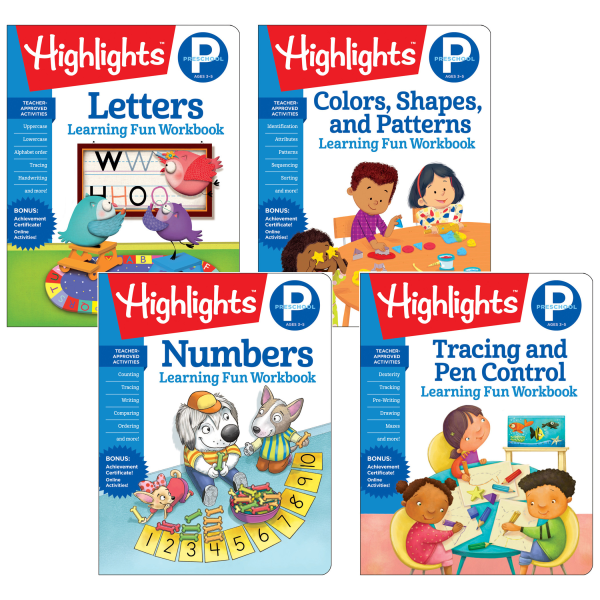
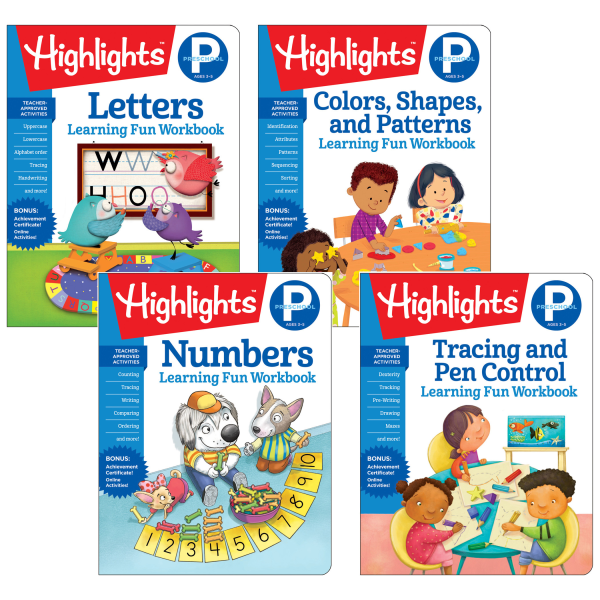
    Highlights� Preschool Learning Fun Workbooks, Set Of 4 Workbooks

    The secret isn”t about adding more schoolwork; it’s about finding the right kind of engagement. The goal is to find activities that feel more like a puzzle or a game than a chore. When you find the right balance, you can keep their brains active without stealing the joy out of their vacation. I’ve spent a lot of time looking into what actually works, and I’ve found that the best way to approach this is by choosing workbooks that are inherently fun, colorful, and interactive.

    Why Summer Learning Doesn’t Have to Feel Like School

    The “summer slide” is a real phenomenon where students lose some of the academic progress they made during the school year. However, this doesn’t mean you need to sit them down at a desk for two hours every morning. Instead, think of workbooks as a way to spark curiosity. When a child is solving a logic puzzle or identifying animals in a coloring book, they are practicing critical thinking and vocabulary without even realizing they are “studables.”

    Choosing age appropriate materials is the most vital step here. If a workbook is too easy, they’ll get bored and stop trying. If it’s too hard, they’ll get frustrated and quit. You want that “sweet spot” where they feel a sense of accomplishment after every page. This builds confidence, which is just as important as learning how to multiply or spell correctly.

    Top Workbook Picks for Preschoolers and Toddlers

    For the littlest learners, the focus should be almost entirely on fine motor skills and sensory engagement. At this age, they aren’t ready for long sentences or complex math. They need big pictures, bright colors, and activities that involve tracing or coloring.

    Focusing on Pre-Writing and Shapes

    Look for books that emphasize “tracing” rather than “writing.” These books help them master the grip on a crayon or pencil. Some great options include:

    • Letter Tracing Books: These use large, easy-to-follow paths to help them learn the shapes of the alphabet.
    • Coloring-Based Learning: Books that ask them to “find all the blue circles” combine art with basic geometry and color recognition.
    • Sticker Activity Books: These are incredibly budget friendly and keep toddlers engaged much longer than a standard pencil-and-paper task.

    Safety and Supervision Tips

    When working with very young children, always keep an eye on the materials. Some workbooks come with small stickers or even included crayons that could be a choking hazard for toddlers. Always supervise playtime to ensure they aren’t putting small pieces in their mouths.

    Engaging Options for Elementary Age Kids

    Once kids enter the primary grades, their interests start to diversify. This is the age where you can introduce more variety, such as science, logic, and reading comprehension. The key is to find books that lean into their existing hobbies, like dinosaurs, space, or animals.

    Logic Puzzles and Brain Games

    If your child loves Minecraft or complex LEGO builds, they might actually enjoy logic-based workbooks. These are fantastic for developing problem-solving skills. Look for:

    1. Sudoku for Kids: There are versions specifically designed with much simpler grids and larger numbers.
    2. Mazes and Pattern Recognition: These help with spatial awareness and concentration.
    3. Detective-Style Mystery Books: These require them to read clues and use deductive reasoning to solve a “case.”

    Reading and Math Without the Boredom

    Reading comprehension can be a struggle during summer. To avoid the “I hate reading” meltdown, try graphic novel-style workbooks or “adventure” books where the story progresses as they answer questions. For math, look for books that use visual aids—like counting pictures of pizza slices or astronauts—rather than just rows of numbers. This makes the educational aspect feel much more tangible and less abstract.

    Tips for Making Workbook Time Stress-Free

    Success with summer workbooks depends heavily on the environment you create. If you treat it like a punishment, they will resist it. Here are a few ways to keep the vibes positive:

    • Keep sessions short: Fifteen to twenty minutes is often plenty. It’s better to do ten minutes of happy learning than forty minutes of tears.
    • Rotate your materials: Don’t pull out the whole stack at once. Bring out one new book every week to keep the novelty alive.
    • Create a “Learning Nook”: Let them work in a cozy spot, maybe even outside on a picnic blanket, rather than at a stiff dining room table.
    • Celebrate the wins: When they finish a particularly tricky page, acknowledge it! A simple “You worked really hard on that puzzle!” goes a long way.

    Finding the Right Balance for Your Family

    Every child is different. Some kids will happily sit with a workbook for an hour, while others might only give you five minutes of focus. That is perfectly okay. The goal of summer is rest and rejuvenation. The workbooks are just a supplement to a summer filled with park trips, ice cream, and backyard adventures.

    By choosing fun, interactive, and age appropriate books, you are providing them with the tools to stay sharp without sacrificing the magic of summer break. You’re not just teaching them facts; you’re teaching them that learning can be a fun, lifelong pursuit.

    If you’re feeling overwhelmed by the options, start small. Pick one topic your child is currently obsessed with—whether it’s bugs, planets, or unicorns—and find a workbook centered around that theme. You might be surprised at how much they actually want to dive in.

    Are you ready to find the perfect summer companion for your child? Start browsing your local library or bookstore today and look for those interactive, colorful options that spark a little bit of curiosity!

    Our Top Picks

    Products we recommend:

    1. Banish Boredom: Activities to Do with Kids That You’ll Actually Enjoy – 1st Edition (eBook Rental)

    Banish Boredom: Activities to Do with Kids That You'll Actually Enjoy - 1st Edition (eBook Rental)

    Banish Boredom: Activities to Do with Kids That You’ll Actually Enjoy – 1st Edition (eBook Rental)

    by VitalSource

    $11.14

    Check Price →

    2. Highlights� Preschool Learning Fun Workbooks, Set Of 4 Workbooks

    Highlights� Preschool Learning Fun Workbooks, Set Of 4 Workbooks

    Highlights� Preschool Learning Fun Workbooks, Set Of 4 Workbooks

    by Office Depot and OfficeMax

    $19.96

    Check Price →

    3. Did That Actually Happen?

    Did That Actually Happen?

    Did That Actually Happen?

    by Knetbooks.com

    $11.54

    Check Price →

  • Best of the Best: A Curated Roundup of Top-Tier Travel, Literature, and Leisure

    Best of the Best: A Curated Roundup of Top-Tier Travel, Literature, and Leisure

    Note: This post contains affiliate links. We may earn a highly appreciated small commission at no extra cost to you if you make a purchase through these links.

    Finding true quality in a world of endless options can feel like searching for a hidden treat in a giant bag of kibble. Whether you are a pet parent looking for the perfect weekend getaway, a literature enthusiast seeking to sharpen your craft, or a music lover hunting for the next underground gem, the “Best” label is something we all strive to find. At Bark For Your Buck, we believe that quality extends beyond just pet supplies—it encompasses the very lifestyle we build for ourselves and our furry companions.

    In this special roundup, we have stepped outside our usual pet care boundaries to bring you a curated selection of “Best” products. We aren’t just talking about dog treats and chew toys today; we are diving into premium travel experiences, deep intellectual explorations, and the raw energy of independent music. Our goal is to help you identify high-value items that offer lasting satisfaction, whether they provide a night of sleep or a lifetime of inspiration.

    1. The Ultimate Pet-Friendly Escape: Whimstay’s Best of the Best Cabin

    For those of us who never leave our dogs behind, finding a vacation spot that balances luxury with pet-friendly accommodations is the holy grail of travel. The Whimstay “Best of the Best” log cabin in Pigeon Forge is a standout contender for your next family adventure.

    Located just minutes away from the bustling Pigeon Forge Parkway, this cabin offers the perfect blend of accessibility and seclusion. The moment you step inside, the rustic charm of the log construction meets modern luxury. With a king-sized bed to ensure a restful night and a sleeper sofa for extra guests, it is ideal for larger families. The inclusion of a private hot tub is the cherry on top, providing a serene space to unwind after a long day of exploring the Smoky Mountains.

    What makes it special: Most importantly for our readers, this cabin is pet-friendly. You don’t have to deal with the heartbreak of leaving your four-legged best friend at a kennel while you enjoy the mountains.

    Pros and Cons

    • Pros:
      • Extremely convenient location near Pigeon Forge attractions.
      • High-end amenities including a king bed and hot tub.
      • Pet-friendly, making it perfect for dog owners.
      • Cozy, authentic log cabin atmosphere.
    • Cons:
      • Premium pricing reflects its high-end status.
      • Popularity means you must book well in advance to secure your dates.

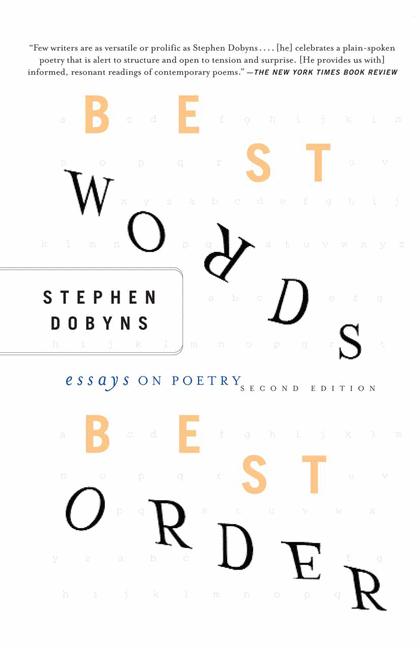
    2. Mastering the Craft: “Best Words, Best Order” by Stephen Dobyns

    For the thinkers, the dreamers, and the writers in our community, literature offers a different kind of nourishment. We found two listings (via SpringerLink Shop INT and Springer Nature Author) for the profound work “Best Words, Best Order” by the esteemed Stephen Dobyns.

    This is not just a book about writing; it is an exploration of the mystery behind why certain words resonate and others fall flat. Dobyns uses this edition to explore the intricacies of memory, metaphor, and the delicate balance of pacing. For anyone interested in the “how” and “why” of poetic voice and tone, this text is an essential addition to your library.

    The beauty of this work lies in its ability to dissect the technical elements of poetry while maintaining a sense of wonder. It is an intellectual deep dive that rewards patient readers with a newfound appreciation for the nuances of language.

    Pros and Cons

    • Pros:
      • Deeply insightful for both amateur and professional poets.
      • Covers essential elements like metaphor, pacing, and voice.
      • High academic and artistic value.
    • Cons:
      • Requires significant focus and mental engagement.
      • Niche subject matter that may not appeal to casual readers.

    3. Quick Digital Content: Knetbooks “Best of the Best”

    Sometimes, you don’t have the time for a deep literary dive or a long-distance road trip. You need something quick, accessible, and efficient. The Knetbooks.com offering, titled “Best of the Best,” serves as a compact digital option for those looking for a bite-sized piece of content.

    At a very accessible price point of $10.59, this is an excellent choice for those who enjoy consuming high-quality, condensed information on the go. While it lacks the depth of a full-length novel or a multi-day vacation, its value lies in its convenience and affordability.

    Pros and Cons

    • Pros:
      • Highly affordable and budget-friendly.
      • Perfect for quick consumption during commutes or breaks.
      • Easy digital access via Knetbooks platforms.
    • Cons:
      • Very limited depth compared to larger works.
      • Might feel too brief for readers seeking long-form storytelling.

    4. Underground Energy: “Dead Best” by Dead Best (FYE)

    Finally, for those who prefer their relaxation with a bit of grit and rhythm, we have “Dead Best”. This project features long-time friends Atom Goren and Brian Sokol, who navigated the intense Philadelphia punk scene of the late 90s and early 2000s.

    This is a sonic journey that blends elements of dub and hardcore, bringing a heavy, riff-driven energy that is both nostalgic and fresh. If you enjoy music that tells a story of subculture and survival, this album is a must-listen. It is raw, authentic, and carries the weight of its musical history.

    Pros and Cons

    • Pros:
      • Unique genre-blending (Dub/Hardcore/Punk).
      • Authentic connection to the Philly underground scene.
      • Great for listeners who enjoy high-energy, riff-heavy music.
      • able to

    • Cons:
      • The genre is quite specific and may be too aggressive for some.
      • Niche appeal within the broader music landscape.

    Buying Guide: How to Choose Your Next “Best” Experience

    When you are faced with so many different types of “Best” products, how do you decide where to spend your hard-earned money? Use this simple guide to help narrow down your selection:

    1. Identify Your Current Need

    Are you seeking restoration (The Whimstay Cabin), intellectual growth (Best Words, Best Order), or entertainment (Dead Best)? Don’t try to buy a book when what you actually need is a vacation!

    2. Evaluate Your Budget

    Quality comes in many price points. If you are on a tight budget, the Knetbooks option offers great value. If you are looking to invest in a lifelong memory, the Whimstay Cabin is the way to go.

    3. Consider Your Companions

    If you are a pet parent, always check for pet-friendly labels before booking travel. A “Best” vacation becomes a “Worst” vacation if your dog isn’t welcome!

    The Final Verdict

    After reviewing this eclectic mix of products, our top recommendation depends entirely on your lifestyle goals.

    If you are looking for the ultimate lifestyle upgrade, the Whimstay Cabin is the clear winner. It provides a tangible, high-quality experience that benefits both humans and pets.

    However, if you are seeking personal development, the works of Stephen Dobyns are unparalleled. The investment in your mind through literature often yields the highest long-term returns.

    Ultimately, the “Best” product is the one that brings the most joy and value to your specific situation. Happy exploring!


    Featured Products

    Disclosure: This article contains affiliate links. If you make a purchase through these links, we may earn a commission at no additional cost to you.

    Product Brand Price Link
    BEST OF THE BEST Whimstay $144.67 Check Price
    Best Words, Best Order SpringerLink Shop INT $50.18 Check Price
    Best Words, Best Order Springer Nature Author $50.18 Check Price
    Best of the Best Knetbooks.com $10.59 Check Price
    Dead Best – Dead Best FYE $29.99 Check Price
    BEST OF THE BEST

    BEST OF THE BEST

    by Whimstay

    $144.67

    Check Price →

    Best Words, Best Order

    Best Words, Best Order

    by SpringerLink Shop INT

    $50.18

    Check Price →

    Best Words, Best Order

    Best Words, Best Order

    by Springer Nature Author

    $50.18

    Check Price →

    Best of the Best

    Best of the Best

    by Knetbooks.com

    $10.59

    Check Price →

    Dead Best - Dead Best

    Dead Best – Dead Best

    by FYE

    $29.99

    Check Price →