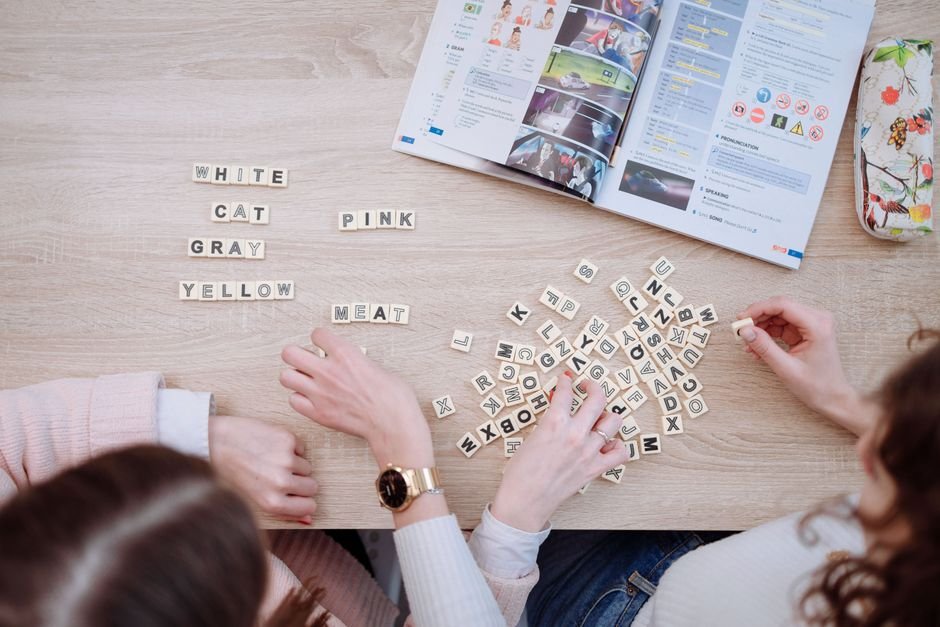
We have all been there: it is a rainy Tuesday afternoon, the tablets are starting to feel a bit too much screen time, and you are looking for something to keep your child engaged that isn’t just mindless scrolling. You want them to be entertained, but you also want their brain to be working. It is the eternal parental struggle between fun and learning.
Enter the humble word search. While it might look like just a way to pass the time during a long car ride, these puzzles are actually much more than simple diversions. If you have ever watched a child’s face light up when they finally spot that elusive vertical word, you know there is a real sense of achievement involved. Beyond that excitement, there is a lot of cognitive heavy lifting happening under the surface.
How Scanning for Letters Builds Literacy Skills
At its core, a word search requires a child to scan a grid of letters systematically. This isn”t just eyes moving randomly; it is a process called visual scanning. For young learners, this skill is foundational for reading. Before they can comprehend a sentence, they need to be able to track text from left to right and recognize individual letter shapes within a dense environment.
When children hunt for words, they are practicing several literacy-based habits:
- Letter Recognition: They must distinguish between similar-looking characters like ‘b’ and ‘d’ or ‘p’ and ‘q’.
- Pattern Recognition: Finding a word requires spotting specific sequences of letters, which helps them understand how words are constructed.
- Spelling Reinforcement: Because they are looking for a specific string of letters, they are subconsciously reinforcing the correct spelling of each word in the list.
This repetitive exposure to word structures makes reading feel less like a chore and to more like a puzzle they are capable of solving.
Boosting Vocabulary Through Contextual Clues
Vocabulary growth happens best when words are encountered in a meaningful way. Word searches provide a structured environment where new terms are presented alongside familiar ones. If you are using themed puzzles—like “Ocean Life” or “Space Exploration”—the child is surrounded by related terminology, which helps create mental associations.
Instead of just memorizing a list from a textbook, they are interacting with the words. They see “octopus,” “whale,” and “shark” all grouped together. This grouping helps their brain categorize information, making it easier to retrieve those words later during conversation or writing assignments. It turns a dry vocabulary list into an active search mission.
The Role of Cognitive Focus
Concentration is a muscle, and word searches are great exercise for it. To find a word, a child cannot be distracted; they have to maintain focus on the grid while simultaneously holding the target word in their working memory. This level of concentration is incredibly beneficial for developing a longer attention span, which translates directly to better performance in classroom settings.
Finding the Right Level for Every Age
Not all puzzles are created equal, and choosing the right difficulty is key to keeping a child from getting frustrated. If a puzzle is too hard, they might give up; if it is too easy, they will get bored quickly.
Toddlers and Preschoolers
For the very youngest learners, traditional word searches might be a bit overwhelming. However, you can find versions that are best for toddlers by using much larger fonts and simpler grids. At this stage, focus on 3 or 4-letter words and perhaps even use pictures alongside the words to provide visual cues. The goal here is simply familiarity with letters.
Early Elementary (Ages 6-8)
This is a sweet spot for word searches. Kids in this age group can handle horizontal and vertical words, and they are often starting to enjoy more complex themes. Look for puzzles that introduce slightly more challenging vocabulary to keep them on their toes. This is an educational way to bridge the gap between basic phonics and reading fluency.
Older Children (Ages 9+)
For older kids, you can ramp up the difficulty by introducing diagonal words or words that read backward. You can even create your own “clue-based” puzzles where they have to solve a riddle to figure out which word they are searching for. This adds an extra layer of critical thinking and comprehension.
Safety and Healthy Habits
While word searches are generally a very safe and low-tech activity, there are a few practical things to keep in mind as a parent. First, if you are using printed workbooks, ensure the paper quality is good so they aren’t straining their eyes under poor lighting. Eye strain is a real thing, even with paper-based activities.
Second, if you are opting for digital word search apps, always check the privacy settings and ensure the app is age appropriate. Avoid apps that have unmonitored chat features or heavy in-app purchases. The best way to use technology for learning is to keep it focused on the task at hand without unnecessary distractions.
Making Word Searches a Daily Habit
You don’t need a massive library of books to make this work. You can start small by printing out a single puzzle a week or even writing a tiny 5×5 grid on a sticky note for them to find a specific word during breakfast.
Try these simple ideas to integrate them into your routine:
- Theme Days: Create a “Science Friday” puzzle where all the words are related to planets or animals.
- Reward System: Use a completed puzzle as a “brain break” after they finish their homework.
- Collaborative Searching: Sit down and do the puzzle with them. Point out tricky letters and celebrate when you both find a word.
Ultimately, the goal is to foster a love for language. When a child views words as something to be discovered rather than something to be memorized, their entire approach to literacy changes. It becomes an adventure.
If you are looking for more ways to support your child’s learning journey with fun, hands-on activities, check out our other guides on creative educational play!