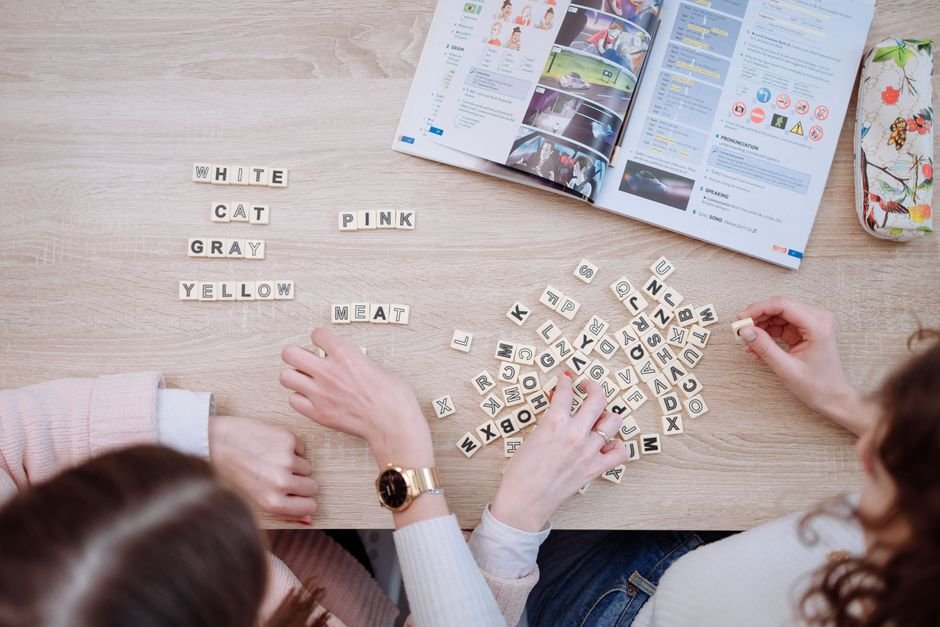
Remember those afternoons spent hunched over a newspaper or a brightly colored activity book, circling letters with a crayon? For many of us, word searches were just a way to kill time on a rainy day. But if you are looking for a way to boost your child’s literacy skills without making them feel like they are stuck in a classroom, these puzzles might be more useful than you think.
As parents, we often struggle with the balance between screen time and educational activities. We want our kids to learn, but we also want them to have fun. Word searches sit in that sweet spot perfectly. They aren”t just a way to pass the time; they are actually quite effective at helping children recognize patterns, improve spelling, and expand their mental dictionary.
The science behind letter recognition and spelling
When a child looks at a grid of letters, their brain isn’t just scanning randomly. They are engaging in a complex process called visual scanning. This is the ability to move the eyes smoothly across a page to find specific information—a skill that is foundational for reading fluency.
As they hunt for “B-A-N-A-N-A,” they are essentially practicing spelling in a non-threatening way. Unlike a spelling test, where the pressure of being “wrong” can cause anxiety, a word search allows them to see the correct sequence of letters visually. This repetition helps cement the spelling patterns in their long-term memory.
Building visual discrimination skills
Visual discrimination is the ability to see the differences between similar shapes and letters. For younger learners, distinguishing between a “b” and a “d” or an “e” and an “i” can be tricky. Word searches force the eyes to examine every tiny detail of each character within the grid.
This attention to detail is essential for reading comprehension later on. If a child can accurately identify letters in a crowded puzzle, they are much more likely to recognize those same letters when they appear in a dense paragraph of a storybook.
Expanding vocabulary through themed play
One of the best ways to use these puzzles is to pick themes that interest your child. If they are obsessed with dinosaurs, find or create a dinosaur-themed puzzle. If they love space, go with planets and constellations. This turns a simple game into an educational exploration of new topics.
By encountering words like “asteroid,” “orbit,” or “nebula” in a fun context, the meaning of these words starts to stick. It moves vocabulary from being abstract concepts to concrete things they can find and circle.
- Pre-K to Kindergarten: Focus on short, 3-4 letter words related to colors, animals, or family members.
- Ages 6-8: Introduce longer words and themes like weather, ocean life, or community helpers.
- Ages 9+: Use more complex vocabulary, science terms, or even historical figures to keep them challenged.
Developing focus and cognitive stamina
In a world full of quick-hitting digital distractions, teaching kids how to focus on a single task is a challenge. Word searches require a certain level of “grit.” You can’t just glance at the page; you have to sit with the puzzle, track lines, and stay concentrated until the job is done.
This builds cognitive stamina. This mental endurance is useful not just for puzzles, but for sitting through a lesson or finishing a homework assignment. It’s a quiet, meditative activity that provides a much-needed break from the high stimulation of tablets and TVs.
The benefits of a low-tech approach
While there are plenty of word search apps available, nothing beats the physical experience of paper and pencil. There is a tactile satisfaction in physically circling a word that a touchscreen simply cannot replicate. Plus, using physical books is an incredibly budget friendly way to introduce literacy tools into your home without needing a subscription or a Wi-Fi connection.
It also offers a great contrast when considering indoor vs outdoor playtime. On a stormy afternoon when you can’t head to the park, a word search provides a productive way to stay engaged indoors. It keeps the brain active even when the body is stuck inside.
Safety and developmental considerations
While word searches are generally very safe, there are a few things to keep in mind as you introduce them to your child’s routine.
First, consider the difficulty level. If a puzzle is too hard, it can lead to frustration and a dislike for reading. If it’s too easy, they will get bored quickly. Always aim for a “just right” challenge that requires effort but remains achievable.
Second, watch the content. While most word searches are harmless, always check the themes of books or printouts you bring into the house to ensure the vocabulary is age-appropriate and follows your family values. Finally, if you are using physical markers like highlighters or markers, remind children about the importance of using them on paper rather than furniture!
How to make word searches even more engaging
If you want to level up the experience, try these small tweaks:
- The Timer Challenge: For older kids who crave excitement, use a stopwatch to see if they can beat their previous record.
- Create Your Own: Grab a piece of graph paper and write your own words for them to find. This is a great way to include family names or “inside jokes.”
- Dictionary Integration: When they find a word they don’t recognize, have them look it up in a physical dictionary. This adds an extra layer of learning to the game.
Ultimately, these puzzles are more than just a way to pass the time. They are small, manageable building blocks for a much larger foundation of literacy and focus. So, the next time you see a word search book, grab a pen and invite your child to join you.
Are you looking for more ways to make learning fun at home? Check out our other activity guides to find the perfect balance of play and education!