We have all been there: it is a rainy Tuesday afternoon, the kids are bouncing off the walls, and you realize you have run out of educational activities that don’t involve a screen. You want to help them learn, but the thought of running to the store to buy a new plastic learning kit feels exhausting and expensive. The good news is that some of the most effective teaching tools are already sitting in your kitchen pantry or recycling bin.
Creating your own activities is not just a budget friendly way to keep kids occupied; it actually allows you to tailor the difficulty to exactly where your child is at developmentally. You don’t need a degree in early childhood education to make this work. You just need a little bit of creativity and some common household items.
Why DIY games are a win for development
When children engage with homemade games, they aren”t just playing; they are practicing critical thinking, fine motor skills, and problem-solving. Unlike many store-bought toys that have a single, predetermined way to play, DIY games are often open-ended. This encourages “divergent thinking,” which is a fancy way of saying it helps them learn how to approach problems from multiple angles.
Using tactile materials like dried beans, buttons, or even pasta shapes provides sensory input that helps cement new concepts. Whether they are counting out pebbles or sorting colored scraps of paper, these physical actions help bridge the gap between an abstract idea and a concrete understanding.
Simple activities for the littlest learners
For babies and toddlers, learning is all about sensory exploration and recognizing patterns. At this stage, safety is your number one priority. Always ensure that any small parts used in these games are large enough to avoid choking hazards.
The Sensory Color Sort
This is one of the best for toddlers who are just starting to recognize colors. All you need is a muffin tin and some colorful items like large pom-poms, colored pasta, or even large plastic bottle caps.
- Place a small piece of colored paper at the bottom of each muffin cup.
- Ask your child to find objects around the room that match each color.
- Have them drop the items into the corresponding cup.
This activity helps with color recognition and hand-eye coordination as they aim for the small holes of the tin.
Sticky Tape Rescue
If you have some painter’s tape and some small plastic animals or toy cars, you have a great game for fine motor development. Tape the toys down to a cookie sheet or a tabletop using strips of tape.
Your little one will have to use their fingers to peel the tape back and “rescue” the toys. It requires a surprising amount of focus and strengthens those tiny finger muscles needed for later writing skills.
Hands-on math and literacy for preschoolers
Preschoolers are entering a stage where they start understanding quantities and letter shapes. You can use basic household items to make these concepts much less intimidating.
The Alphabet Scavenger Hunt
Grab a handful of magnetic letters or even just write letters on small pieces of paper. Hide them around a safe area of the living room. As your child finds a letter, ask them to identify it and make the sound that goes with it.
To make it more age appropriate for a child who knows some words, ask them to find a letter and then name an object that starts with that sound. It turns a simple hunt into a phonics lesson.
Pasta Counting Towers
Using dry rigatoni or penne pasta and some playdough, you can practice basic addition and subtraction. Roll small balls of playdough and place them on a flat surface. Use the pasta as “sticks” to connect the dough balls.
You can start by asking them to build a tower with three pieces of pasta, then “add” two more. This visual representation of numbers helps them grasp the concept of quantity far better than just looking at a worksheet.
Leveling up for school-aged kids
Once children enter elementary school, they are tackling more complex ideas like multiplication, spelling, and even basic science. The games can get a bit more complex, but they remain incredibly low-cost.
DIY Scrabble with Cardboard
If you have an old cereal box, you can make your own letter tiles. Cut the cardboard into small squares and write one letter on each. You can even color-code them—vowels in red, consonants in blue.
Use these tiles to build simple three-letter words or play a “word building” race where you see how many words you can make in two minutes. This is a fantastic way to boost spelling skills without the pressure of a formal test.
The Kitchen Science Experiment
Science doesn’t require a laboratory. You can teach basic chemical reactions using just baking soda and vinegar. Give your child a tray of small cups filled with a bit of baking soda and some drops of food coloring.
Provide a dropper or a small spoon with vinegar. As they drop the vinegar into the cups, they will see the fizzing reaction. This is great for teaching cause and effect and observation skills.
Safety tips for homemade play
While DIY games are wonderful, a quick safety check is necessary before you start. Always keep these points in mind:
- Check for small parts: If you are playing with children under three, avoid anything small enough to fit inside a toilet paper roll.
- Non-toxic materials: Ensure that any glue, markers, or food items used are non-toxic and safe if accidentally tasted.
- Supervision is key: Even the simplest games should be monitored to prevent accidents, especially when using liquids or small objects.
Making learning a daily habit
You don’t need to spend hours every day setting up elaborate stations. The most successful way to integrate learning into your routine is to keep it short and fun. Even ten minutes of a “sorting game” during snack time can make a massive difference in a child’s progress.
The goal isn’t to replace school or formal study, but to supplement it with joy. When a child sees that learning can happen with pasta, tape, and cardboard, they develop a much more positive relationship with education as a whole.
Do you have a favorite way to turn household items into learning tools? Grab some scraps from your recycling bin this afternoon and try one of these ideas out. If you found these tips helpful, share this article with another parent who might be looking for some creative, low-cost inspiration!
Our Top Picks
Products we recommend:
1. Learning at Home

2. Dessert Circus: Extraordinary Desserts You Can Make At Home
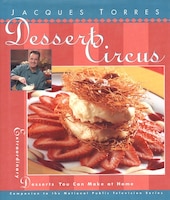
Dessert Circus: Extraordinary Desserts You Can Make At Home
by Indigo Books & Music
$35.00
3. Learning at Home