We’ve all been there. You look over at your child, and they are completely mesmerized by a tablet, eyes glazed, fingers twitching rhythmically to a cartoon. While there is definitely a place for technology, many parents are noticing a common side effect: a shorter attention span and a struggle to focus on “bor a” tasks like homework or reading. It feels like their brains are constantly hunting for that next quick hit of dopamine that only a fast-paced video can provide.

The good news is that concentration is a muscle. Just like physical strength, it can be trained and strengthened through intentional play. By introducing activities that require sustained attention, we can help kids learn how to quiet the mental noise and settle into a single task. The best part? Most of these ideas are budget friendly and don’t require any fancy equipment.
Why Screen-Free Play Matters for Focus
Digital media is designed to be stimulating. It uses bright colors, rapid scene changes, and instant rewards to keep a child engaged. While this is great for entertainment, it doesn’t require much cognitive effort. In contrast, offline activities often involve “slow” rewards. A child building a Lego tower or finishing a puzzle has to navigate frustration, plan steps, and maintain focus through much longer periods of time.
When kids engage in tactile, hands-on play, they are practicing executive functions. These are the mental skills that help us manage time, follow instructions, and stay on track. By stepping away from the screen, we give their nervous systems a chance to regulate, making it much easier for them to concentrate when it actually matters, like during school hours.
Hands-On Activities for Younger Children
For our littlest ones, concentration looks a bit different. At this age, we aren’t looking for hour-long sessions of intense focus. Instead, we want to encourage activities that promote sensory exploration and fine motor skills. These are often the best for toddlers because they tap into natural curiosity.
Sensory Bins and Tactile Play
Sensory bins are a fantastic way to ground a child. Filling a container with rice, dried beans, or even water and small hidden objects encourages them to use their hands to search and discover. This type of repetitive, tactile movement can be incredibly soothing and helps build the foundation for sustained attention.
Simple Sorting Games
Give your toddler a muffin tin and a bowl of colorful buttons or large pom-poms. Asking them to sort the items by color or size is an age appropriate way to introduce logical thinking. It requires them to look closely at details and follow a simple rule, which is the very essence of concentration.
Block Building and Stacking
Whether it’s wooden blocks or soft stacking rings, building upward requires a steady hand and a focused mind. The “risk” of the tower falling keeps them engaged, and the physical coordination needed helps bridge the gap between physical movement and mental focus.
Engaging Older Kids with Complex Tasks
As children grow, their capacity for focus expands. They can handle more complexity, longer durations, and more frustration. For school-aged children, the goal is to move toward activities that involve multi-step processes and problem-solving.
Puzzles and Jigsaw Challenges
There is nothing quite like the satisfaction of finding that one missing piece. Puzzles are incredible for cognitive development because they require visual scanning, pattern recognition, and persistence. Start with smaller piece counts and gradually increase the difficulty as their stamina grows.
Artistic Expression and Detailed Crafts
Activities like coloring mandalas, beadwork, or even basic origami require a high level of precision. These “flow-state” activities are wonderful because they allow a child to lose themselves in a task. When a child is focused on threading a needle or painting a tiny detail, they are practicing the ability to ignore distractions.
Board Games and Strategy Play
Board games are a social way to build focus. Games like Chess, Checkers, or even modern strategy games require players to think several steps ahead and anticipate an opponent’s moves. This mental “simulation” is heavy lifting for the brain and teaches patience and impulse control.
Outdoor Exploration and Nature Connection
Nature provides a unique kind of stimulation that isn’t overwhelming. It is “soft fascination”—it captures attention without demanding the frantic, high-intensity response that a screen does. This type of environment is perfect for resetting a child’s attention span.
- Scavenger Hunts: Create a list of items to find, such as “a jagged rock,” “a yellow leaf,” or “something smooth.” This forces them to observe their surroundings closely.
- Nature Journaling: Provide a sketchbook and some crayons. Ask them to draw exactly what they see in a specific tree or insect. The act of observing closely to replicate details is a powerful concentration builder.
- Gardening: Tending to a small patch of soil or even a single pot involves a long-term commitment. Watching a seed grow teaches the value of slow, steady progress.
Safety Notes for Parents
While these activities are wonderful, always keep safety at the forefront. When using small objects like beads or beans for sensory bins, ensure they are age appropriate to prevent choking hazards for younger siblings. If you are engaging in outdoor exploration, always supervise children near water or uneven terrain. The goal is to create a safe space where they feel free to experiment and focus without unnecessary risks.
Building a Routine for Success
You don’t need to overhaul your entire lifestyle to see the benefits. Start small. Perhaps you dedicate just twenty minutes after school to a “quiet box” filled with puzzles or coloring books. The key is consistency. By creating a predictable window of screen-free time, you are teaching your child that it is okay—and even enjoyable—to slow down.
If you found these ideas helpful, why not try one this afternoon? Grab some old buttons or a deck of cards and see how long your little one can stay engaged. If you want more tips on fostering development through play, subscribe to our newsletter for weekly inspiration delivered straight to your inbox!
Our Top Picks
Products we recommend:
1. 150+ Screen-Free Activities for Kids
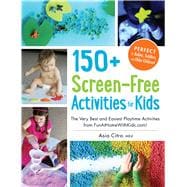
2. 150+ Screen-Free Activities for Kids (eBook)
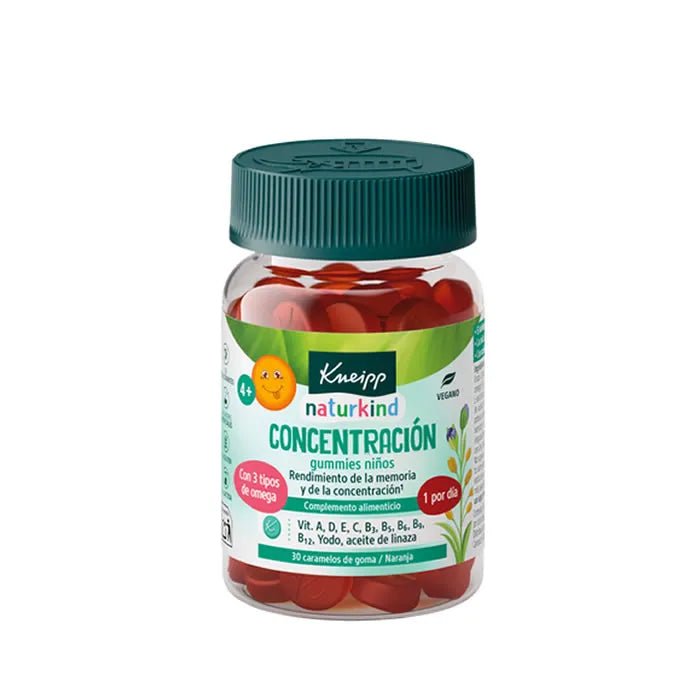
3. Kneipp Children Concentration 30 Gummy Candies