Blog

  • Fun Rainy Day Activities For Children

    Fun Rainy Day Activities For Children

    We have all been there. You wake up, look out the window, and see nothing but gray skies and relentless raindrops. The initial thought is usually a sigh of disappointment because the outdoor plans are officially canceled. However, once the initial gloom passes, you realize that a rainy day is actually a golden opportunity to slow down and bond with your kids without the distractions of soccer practice or playground trips.

    My Pet's Health & Wellness Log: Journal Notebook For Animal Lovers, Record Your

    Instead of viewing a rainy day as a hurdle, try seeing it as a chance to explore a different side of your child’s creativity. While the debate of indoor vs outdoor play often feels like a losing battle when it’s pouring, the right activities can turn a dreary afternoon into something your kids will actually remember fondly. From messy kitchen experiments to quiet reading corners, there is a way to keep the boredom at bay without breaking the bank.

    Creative Arts and Messy Play

    Art is one of the easiest ways to pass the time because most of the supplies are likely already sitting in your junk drawer or craft bin. These activities are great for fine motor skill development and allow kids to express emotions that they might not be able to put into words yet.

    Homemade Playdough and Sensory Bins

    If you are looking for a budget friendly way to entertain toddlers, making playdough from scratch is a fantastic option. All you need is flour, salt, water, and a bit of food coloring. This isn”t just about the end product; the process of measuring, stirring, and kneading is a brilliant way for younger children to learn about textures and basic math concepts.

    For older toddlers, sensory bins are a lifesaver. Fill a large plastic tub with dried rice, beans, or even cooked pasta. Hide small plastic dinosaurs or toy cars inside. This type of tactile play helps with sensory processing and can keep a child focused for a surprisingly long time.

    The Living Room Gallery

    Turn your hallway into an art museum. Give your children large sheets of paper or even the backs of old cereal boxes and ask them to create a themed collection—perhaps “Under the Sea” or “Space Explorers.” Once they finish, hang the pieces up using painter’s tape. This gives them a sense of pride and teaches them how to curate and present their work.

    Active Indoor Games to Burn Energy

    One of the hardest parts of staying inside is the “zoomies” that hit kids after being cooped up for too long. If they don’t get to run around outside, they might start climbing the furniture. You need high-energy activities to help them burn that physical energy safely.

    Obstacle Courses and Indoor Scavenger Hunts

    You don’t need much space to build a great obstacle course. Use pillows as “lava” stones, couch cushions as hurdles, and painter’s tape on the floor as balance beams. This is an age appropriate way to challenge their gross motor skills and coordination.

    • For Toddlers: Focus on simple movements like crawling under a table or jumping over a soft towel.
    • For School-Aged Kids: Add a timer to make it a race against the clock.
    • For Tweens: Add “skill stations” like balancing a spoon with an egg (or a ball) on it.

    Scavenger hunts are another winner. You can make them simple, like “find something blue” or “find something soft,” or more complex, involving riddles that lead them from the kitchen to the bathtub. It keeps them moving through the house with a specific purpose.

    Indoor Camping

    There is something inherently exciting about sleeping in a space where you don’t usually sleep. Grab every blanket and pillow in the house and build a massive fort under the dining room table or between two chairs. Bring in flashlights and some snacks, and suddenly your living room is a campsite. This encourages imaginative play and provides a cozy environment for storytelling.

    Quiet Time and Cognitive Challenges

    When the energy levels naturally dip in the late afternoon, it is the perfect time to transition to more sedentary, brain-boosting activities. These are excellent for improving concentration and literacy skills.

    Kitchen Science Experiments

    Rainy days are the perfect excuse to get a little bit messy in the kitchen. Science experiments provide a “wow” factor that keeps kids engaged. A classic baking soda and vinegar volcano is a staple for a reason—it is visually stimulating and easy to set up.

    Another great option is making “magic milk.” By adding drops of food coloring to a shallow dish of milk and then touching it with a cotton swab dipped in dish soap, you can watch the colors dance and swirl. These experiments introduce basic scientific principles like chemical reactions and surface tension in a way that feels like pure fun.

    Board Games and Strategy Play

    Board games are a classic for a reason. They teach turn-taking, patience, and strategic thinking. If you have younger children, stick to simple matching games or classics like Candy Land. For older kids, games like Chess, Settlers of Catan, or even complex card games can provide hours of mental stimulation. It is a great way to foster healthy competition and family connection.

    Safety First: A Quick Note for Parents

    While indoor play is wonderful, it does come with a few risks. When setting up obstacle courses or forts, ensure that no heavy furniture is at risk of tipping. If you are doing science experiments, always supervise closely to prevent spills on electronics or accidental ingestion of ingredients. Always keep an eye on small parts when playing with toddlers to avoid choking hazards.

    Ultimately, the goal isn’t to find the “perfect” activity, but to find the one that fits your child’s current mood and energy level. Some days require high-octane movement, and other days call for quiet coloring. By having a few of these ideas in your back pocket, you can transform a rainy afternoon from a stressful event into a meaningful family memory.

    Do you have a go-to rainy day tradition? Share your favorite ideas in the comments below—we would love to hear how you keep the boredom away!

    Our Top Picks

    Products we recommend:

    1. Rainy Day Pastimes for Children

    Rainy Day Pastimes for Children

    Rainy Day Pastimes for Children

    by Indigo Books & Music

    $31.95

    Check Price →

    2. Reco World of Children Rainy Day Fun – With Box

    Reco World of Children Rainy Day Fun - With Box

    Reco World of Children Rainy Day Fun – With Box

    by Replacements Ltd.

    $8.99

    Check Price →

    3. Rainy Day Fun Kit

    Rainy Day Fun Kit

    Rainy Day Fun Kit

    by eCampus.com

    $18.10

    Check Price →

  • Best Pet Dental Care Toothbrush in 2026

    Best Pet Dental Care Toothbrush in 2026


    Keeping your furry friend’s teeth clean is one of the most impactful things you can do for their long-term health. Just like humans, dogs and cats suffer from plaque buildup, tartar formation, and gum disease that can lead to serious systemic issues affecting their heart, liver, and kidneys if left untreated. Many pet owners struggle with finding a toothbrush that actually works because standard human brushes are too large or have bristles that are too harsh for delicate animal gums. This roundup features some of the best options currently available on the market, ranging from versatile sets to specialized tools for smaller breeds. Whether you are just starting your pet’s oral hygiene routine or looking to upgrade your current grooming kit, we have broken down the top picks to help you find the perfect fit for your household.

    Dog Toothbrush Soft Kitten Toothbrush Dog Pet Toothbrush Set, Pet Dental Care by OnBuy.com — $18.59

    This versatile set from OnBuy.com stands out immediately because of its dual-purpose design that caters to both dogs and kittens. What makes this option particularly attractive is the inclusion of multiple head sizes within the set, allowing you to transition between a larger brush for an adult dog and a smaller, softer one for a young kitten or small breed. It is best suited for multi-pet households where you need variety without buying separate brushes for every animal.

    Dog Toothbrush  Soft Kitten Toothbrush  Dog Pet Toothbrush Set, Pet Dental Care

    Dog Toothbrush Soft Kitten Toothbrush Dog Pet Toothbrush Set, Pet Dental Care

    by OnBuy.com

    $18.59

    Check Price →

    The main feature here is the inclusion of a soft bristle head that is gentle on gums, which is crucial for preventing bleeding during the learning phase of brushing. However, some users note that the handle grip can feel slightly slippery if hands get wet during bath time or grooming sessions. Despite this minor drawback, the value proposition of having a dedicated kit for different sized pets makes it a strong contender for families with mixed breeds.

    Pet Toothbrush Dental Care for Dogs Teeth Care Toothbrush-G C by OnBuy EU — $12.19

    If you are looking for a budget-friendly option that still delivers solid performance, this unit from OnBuy EU is an excellent choice for dog owners specifically. The standout aspect of this product is its ergonomic handle design which allows for better control when maneuvering around the back teeth of your pet. It is best for owners who want a focused tool just for dogs rather than a mixed set, ensuring the bristles are sized correctly for canine mouths.

    Pet Toothbrush Dental Care for Dogs Teeth Care Toothbrush-G C

    Pet Toothbrush Dental Care for Dogs Teeth Care Toothbrush-G C

    by OnBuy EU

    $12.19

    Check Price →

    This brush features durable nylon bristles that are firm enough to scrape off plaque but not so aggressive that they hurt sensitive gums. The only notable drawback is that it comes as a single unit without extra heads, meaning you might need to purchase replacements sooner if the head gets damaged during enthusiastic brushing sessions. Overall, it offers a reliable entry point for those managing grooming costs while maintaining good dental hygiene standards.

    Pet Supplies Cat Toothbrush Small Headed Cat Toothbrush Pet Cat Small Toothbrush Dental Care by SHEIN — $20.00

    This product is specifically engineered with cats in mind, making it the top pick for feline owners who struggle to get a brush into their pet’s mouth. The small headed design is the standout feature, as cats have much smaller oral cavities compared to dogs and require a compact tool that can easily reach tight spaces without causing fear. It is best for cat owners who prioritize precision and ease of handling over raw power or multi-pet versatility.

    Pet Supplies Cat Toothbrush Small Headed Cat Toothbrush Pet Cat Small Toothbrush Dental Care

    The build quality is sufficient for light to moderate use, with bristles that hold their shape well enough for regular maintenance. Some users might find the packaging or handle finish less premium compared to the SHEIN or OnBuy options, but functionally it performs its job very well. This is best for budget-conscious shoppers or those who want a backup brush on hand for travel and emergency grooming needs.

    How We Picked

    Selecting the right dental tool requires looking beyond just the price tag. Our selection process focused heavily on bristle softness, as this is the number one factor in preventing gum trauma during brushing sessions. We prioritized handles that offer a non-slip grip because safety and control are paramount when pets move around unexpectedly. Size was another critical criterion; we ensured each product featured heads appropriate for small to large breeds to accommodate various mouth structures. Finally, we weighed the value proposition of the included accessories, such as extra brush heads or cleaning aids, to ensure you get the most out of your investment.

    We also considered where these products are sourced and shipped from, ensuring they meet quality standards regardless of the retailer platform. The goal was to provide a list that covers different price points so every pet owner can find something that works for their specific budget and lifestyle. By balancing functionality with affordability, we hope this guide helps you maintain a cleaner smile for your best friend.

    Investing in proper dental care is an act of love that pays dividends in energy levels and longevity for your companion. While finding the right brush might take some experimentation, once you find one your pet tolerates, the routine becomes much easier to maintain. We encourage you to start with one of these options and observe how your pet responds to the texture and size of the head.

  • Essential Puppy Supplies Checklist for New Dog Owners

    Essential Puppy Supplies Checklist for New Dog Owners


    Setting Your New Best Friend Up for Success

    Welcome to the most exciting chapter of your life! Bringing a puppy home is a whirlwind of emotions, ranging from pure joy to a bit of overwhelming panic. You are about to embark on a journey filled with wagging tails, drooling cuddles, and endless learning curves. However, before you can enjoy those first sweet moments, there is one crucial step that often gets pushed to the back burner: preparing your home with the right supplies. The difference between a smooth transition and a chaotic few weeks often lies in what is already stocked in your closet and under your sink.

    It is easy to feel pressured to buy every trendy item seen on social media, but the truth is, a happy puppy requires practical essentials rather than just aesthetic gadgets. As a new dog owner, your goal should be to create an environment where your pup feels safe, comfortable, and ready to learn. This checklist is designed to help you navigate the aisles of the pet store with confidence, ensuring you have everything needed for those first few critical weeks. Let’s dive into the must-haves that will make your new best friend thrive.

    The Foundation: Feeding, Water, and Comfort

    Your puppy’s physical health starts with their nutrition and comfort. Before they arrive, you need a reliable system in place to handle their growing appetites and sleeping needs. Start by selecting a high-quality food specifically formulated for puppies of their breed size. Puppies grow at different rates, so consulting your vet about the specific kibble or wet food brand is always wise. Don’t forget to stock up on treats; these are invaluable for positive reinforcement training later on. Look for treat sizes that match the size of your puppy’s mouth to avoid choking hazards.

    Equally important are their feeding tools. Invest in a sturdy, non-slip bowl made of stainless steel or ceramic. Plastic bowls can sometimes harbor bacteria and cause skin irritations around the mouth, so it is best to avoid them if you want to keep your pup healthy. You will also need two large buckets for water, as puppies drink frequently throughout the day.

    Next, consider their bed. A puppy does not need a massive king-sized orthopedic mattress immediately; they need something cozy that fits their current size while allowing room to grow. A washable, padded crate mat or a small dog bed with removable covers is perfect for this stage. The bed should be placed in a quiet corner of the house, away from high-traffic areas where they might feel overwhelmed. Remember, your crate will likely serve as their safe haven, so make it comfortable with a soft blanket but avoid overstuffing it, which can trap heat.

    Hygiene Heroes: Potty Training and Cleaning

    Potty training is one of the biggest challenges new owners face, and having the right cleaning supplies on hand before your puppy has an accident is half the battle. Accidents happen, and you want to be prepared without panic. Stock your bathroom cabinet with enzymatic cleaners specifically designed for pet urine. Regular household cleaners often mask the scent, which can confuse a puppy into having accidents in the same spot again. Enzymatic cleaners break down the organic matter completely, removing the smell that attracts them back.

    Alongside cleaning agents, you need absorbent materials to manage those inevitable mishaps. Old towels, pee pads, and disposable poop bags are essential. If you plan on housebreaking your puppy outdoors, a leash and a harness are non-negotiable. Many puppies struggle with collars during this stage because they have not learned how to pull politely; a well-fitted harness provides better control and protects their delicate trachea. Additionally, keep a stash of baby wipes or dog-specific grooming wipes in the kitchen for quick cleanups after playtime.

    Dental care should also be introduced early. Even before you start brushing their teeth regularly, have some dental chews or chew toys on hand. Chewing is how puppies explore the world, and providing appropriate items helps protect your furniture while promoting healthy gums. Just ensure these toys are sized correctly for their jaw strength to prevent them from swallowing small parts.

    Mental Stimulation: Toys and Training Aids

    A bored puppy is a destructive puppy. To keep their mind sharp and their energy channeled positively, you need a variety of toys that cater to different instincts. Start with durable chew toys made of tough rubber or nylon. These satisfy their natural urge to gnaw on things and help clean their teeth simultaneously. Avoid plush toys with easily removable stuffing, as puppies will quickly turn them into stuffing machines.

    Incorporate puzzle feeders into your routine early on. These slow down eating and provide mental stimulation, preventing boredom while they wait for their next meal. Simple snuffle mats or treat-dispensing balls can turn mealtime into an exciting game of hide-and-seek. Interactive toys that move when tossed are also great for building a bond during play sessions.

    For training purposes, you cannot underestimate the value of high-value treats and clickers. A clicker creates a clear communication channel between you and your puppy, marking exact behaviors you want to reinforce. Keep these tools accessible so you can practice commands like “sit,” “stay,” and “come” from day one. Consistency is key, and having the right tools makes the learning process much smoother for both of you.

    Safety First: Identification and Grooming

    Before your puppy even steps out the door, safety must be your top priority. If your new best friend gets lost, they need to be identifiable. A collar with an up-to-date ID tag containing your phone number is essential. However, technology has advanced significantly, making microchipping a smart investment. Ensure this is done before you leave the shelter or breeder, and register the chip with a reputable database. This adds a layer of security that cannot be overstated.

    Grooming basics should also be established early to acclimate your puppy to handling their body. Get a soft-bristle brush suitable for their coat type, as well as nail clippers designed for dogs. Trimming nails regularly prevents them from getting too long and causing pain or injury. You will also need dog shampoo, which is pH-balanced for canine skin, to keep their coat clean without causing irritation. Finally, pack a first-aid kit that includes gauze, antiseptic wipes, and tweezers for removing ticks or splinters.

    Conclusion

    Preparing your home with these essential supplies does more than just set you up for convenience; it sends a powerful message of love and stability to your new companion. By having food, comfortable bedding, cleaning products, toys, and safety gear ready, you are removing stress from the equation and allowing yourself to focus on building a strong bond. Remember that every puppy is unique, so feel free to adjust this checklist based on your specific dog’s needs and personality. Take a deep breath, trust in your ability to learn together, and get ready for an adventure filled with unconditional love. Your waiting puppy is counting on you, and with the right foundation laid, you are ready to welcome them into your family with open arms.

  • How to Choose the Right Dog Bed for Your Pet

    How to Choose the Right Dog Bed for Your Pet


    Understanding Your Dog’s Unique Sleep Needs

    We all want our furry family members to be happy and healthy, but have you ever stopped to think about where they spend a significant portion of their day? For most dogs, sleep is a non-negotiable priority. Just like humans, our canine companions go through different stages of sleep that are crucial for their physical recovery and mental well-being. However, the one-size-fits-all approach often fails when it comes to pet bedding. A cheap throw pillow might look cute on your sofa, but if it doesn’t provide proper orthopedic support or temperature regulation, your dog will likely reject it in favor of a cardboard box or the corner of the couch.

    The journey to finding the perfect resting spot begins with understanding what your specific breed and age require. A high-energy Border Collie needs something different from a senior Golden Retriever suffering from arthritis. By taking the time to assess your pet’s lifestyle, size, and health conditions, you can make an informed decision that transforms their sleeping area into a sanctuary of comfort.

    Assessing Size, Shape, and Joint Health

    The most common mistake owners make is buying a bed based solely on how it looks in the photo or how small they think their dog is. Here is the golden rule: measure your dog from nose to tail base while they are lying down. If you buy a bed that is too small, your pet will feel cramped and insecure, leading to restlessness. Conversely, if the bed is excessively large for a small dog, they may not feel secure enough to relax fully, especially if they have a tendency to cuddle with other pets or children.

    Consider the shape as well. Rectangular beds are versatile and allow dogs to curl up, sleep stretched out, or rest their heads on the edge. Round beds offer a sense of security for anxious dogs who prefer to curl into themselves, mimicking a den-like environment. However, for older dogs with hip dysplasia or arthritis, orthopedic memory foam is a game-changer. These beds contour to the body’s shape, distributing weight evenly and relieving pressure points on the joints. It is an investment in their mobility that often pays dividends in reduced pain and improved quality of life.

    Material Matters: Breathability and Washability

    The materials used in a dog bed are just as important as the internal cushioning. Dogs generate heat while sleeping, so breathability is key to preventing overheating. Look for beds with removable covers made from natural fabrics like cotton or bamboo blends, which allow air circulation and keep your pet cool during summer months. Synthetic microfiber is also a popular choice because it is durable and easy to clean, but ensure it has a moisture-wicking layer to keep them dry if they have accidents.

    Accidents happen, whether it is a house-training slip-up or a muddy paw track brought in from the backyard. This is why washability should be your second priority after comfort. Always choose a bed with a fully removable and machine-washable cover. Some high-quality beds even feature waterproof liners hidden beneath the fabric, protecting the foam core from moisture damage while keeping the dog dry and comfortable. Avoid beds with glued-on covers that cannot be removed; these will eventually trap odors and bacteria, leading to unsanitary conditions that can cause skin irritations.

    Durability and Durability for Different Lifestyles

    Not all dogs are created equal when it comes to destruction. If you have a puppy with teething issues or an adult dog with high chewing instincts, standard soft foam beds will not survive long. These pets need reinforced stitching, double-zippers, and chew-resistant outer fabrics like oxford cloth or canvas. You might also consider beds with removable inserts so that if the outer shell gets damaged, you can replace just the cushion rather than the entire unit.

    For active dogs who jump in and out of their beds frequently, durability is paramount. Look for high-density foam cores that resist flattening over time. A bed that sags after a few months not only looks bad but fails to provide the necessary support, defeating the purpose of purchasing an orthopedic model. Check reviews specifically for comments on longevity and resistance to tearing. Remember, a good dog bed should last through the growth phases of a puppy and remain supportive well into their senior years.

    Setting Up the Perfect Sleeping Environment

    Even the most expensive bed will be ignored if it is placed in the wrong location. Dogs are creatures of habit and often seek out spots that offer a balance of accessibility and security. Avoid placing beds in high-traffic areas where they might get stepped on or knocked over, as this disrupts their sense of calm. Instead, choose a quiet corner of the room where your dog spends most of their time.

    Temperature regulation is another critical factor in location selection. Avoid direct sunlight for long periods, which can cause beds to become uncomfortably hot, and avoid drafty areas near exterior doors or windows. If possible, place the bed near a family member’s room so your pet feels connected to the “pack” without being disturbed by constant noise. Adding a non-slip mat underneath the bed can also help prevent it from sliding on hardwood or tile floors, giving your dog added stability when they settle down.

    Choosing the right dog bed is more than just an aesthetic upgrade for your home; it is a vital step in ensuring your pet’s long-term health and happiness. By carefully evaluating your dog’s size, age, activity level, and specific health needs, you can select a bed that provides both physical support and emotional security. Don’t hesitate to invest in higher-quality materials like memory foam and washable fabrics, as these features will serve your family member for years to come. Remember to involve your dog in the process by letting them sniff and test out potential beds before making the final purchase. With the right combination of comfort, durability, and thoughtful placement, you will create a cozy haven where your beloved companion can rest easy every single night.

  • Fun Weekend Activities to Do With Your Dog

    Fun Weekend Activities to Do With Your Dog


    Turning Your Weekend Into a Paws-itively Great Adventure

    It is easy to get caught up in the routine of weekdays, where life often feels like a blur of work emails, grocery runs, and household chores. By the time Friday rolls around, many dog owners are looking forward to nothing more than sinking into their favorite armchair with a glass of wine while their best friend naps by the door. However, the weekend is actually a golden opportunity to break that cycle and create lasting memories with your furry companion. Dogs thrive on connection, exercise, and novelty, making the weekend the perfect time to plan activities that keep both you and your pup happy.

    Whether you have high-energy breeds like Border Collies or more relaxed companions like Bulldogs, there are countless ways to spend quality time together without breaking the bank or requiring hours of preparation. The goal is simple: to shift from just “co-existing” in the same house to actively engaging with each other. This article will guide you through some of the most fun and rewarding weekend activities that will strengthen your bond and give your dog the mental stimulation they crave.

    Hunt for the Ultimate Scavenger Hunt

    Scavenger hunts are a fantastic way to engage a dog’s natural instincts to sniff, solve, and explore. Unlike a simple walk where the destination is known, a scavenger hunt turns your neighborhood into an interactive puzzle game. You can create a custom list of items or landmarks for your dog to find, such as “a red fire hydrant,” “a squirrel hiding in a tree,” “the biggest leaf you can find,” or “something that smells like pizza.” Carry a small notebook or use a photo on your phone to keep track of the findings.

    To make this more challenging and engaging, you can hide treats along the route. Start easy by placing treats near obvious items, then gradually increase the difficulty as your dog gets better at following clues. This activity is excellent for training sessions because it reinforces positive behaviors and impulse control. Remember to keep the pace relaxed; if your dog gets frustrated or loses interest, switch to a simpler task. The joy of watching your dog work through a problem with you by their side creates a unique sense of teamwork that strengthens your relationship.

    Prioritize Socialization at Local Dog-Friendly Venues

    If weather permits, there is no better way to burn off energy than visiting local parks designed specifically for dogs. Many communities have “off-leash” areas where dogs can run freely without the constraints of a leash. These spaces are not just about running; they are social hubs where your dog can learn from other canines. Observe how different breeds interact and guide your dog through proper introductions, teaching them to read body language and respect play signals.

    Beyond off-leash parks, consider visiting pet-friendly cafes or breweries that welcome well-behaved dogs on leashes. These venues often provide a relaxed environment where you can enjoy a coffee while your dog meets other people and animals in a controlled setting. Always bring water bowls and plenty of treats to reward good behavior in new environments. Socialization is crucial for a confident, well-adjusted dog, and these outings help prevent anxiety or aggression issues later in life. Just remember to keep an eye on your dog’s energy levels; some dogs get overstimulated quickly and may need a quiet break away from the crowd.

    Create a DIY Obstacle Course at Home

    You do not need expensive gym equipment to turn your backyard or living room into an exciting obstacle course. With everyday household items, you can construct a challenging path that provides both physical exercise and mental stimulation. Use sturdy chairs as jumps, lay down pillows or blankets for tunnels, and set up cones for weaving patterns. Fill buckets with water for fetch games or hide treats under cups for nose-work exercises.

    The key to a successful home obstacle course is creativity and safety. Ensure that all objects are stable so they do not tip over when your dog jumps onto them. Start with simple commands like “sit,” “stay,” and “jump” before combining them into a sequence. As your dog masters the basics, add complexity by timing their jumps or asking them to navigate the course while wearing a bandana for added fun. This activity is particularly beneficial for older dogs who may have lost some agility, as it allows you to customize the difficulty level to suit their current abilities. It also gives you a great excuse to clean up the house afterward, turning chores into playtime.

    Plan a Morning Hike with a Reward System

    Morning hikes are often overlooked because of the temptation of hitting snooze, but they offer incredible benefits for both owner and dog. Early mornings mean cooler temperatures, fewer crowds on trails, and a peaceful atmosphere perfect for bonding. Before heading out, research trails that match your dog’s fitness level and potty needs. Bring extra water, poop bags, and perhaps some high-value treats to use as rewards for reaching milestones along the trail.

    Use this time to practice advanced training techniques in a low-distraction environment. Try teaching new commands or refining old ones while walking over uneven terrain. The change of scenery keeps your dog mentally sharp, and the shared experience of conquering a hill together builds immense trust and loyalty. If you live near water, consider kayaking or paddleboarding with a life jacket designed for dogs. These adventures provide a completely different sensory experience that can be incredibly refreshing after a long week.

    Conclusion

    Spend your weekend turning ordinary days into extraordinary adventures by prioritizing connection and play with your dog. From scavenger hunts that tap into their natural curiosity to social outings that build confidence, there are endless ways to make the most of your free time. Remember that the best activity is one that suits your dog’s personality and energy level, so feel free to mix and match ideas from this list. The effort you put into these shared experiences will pay dividends in the form of a happier, healthier, and more loving companion. So grab your leash, pack a bag of treats, and head out to create memories that will last a lifetime.

  • Best Dog Harnesses for Walking and Hiking

    Best Dog Harnesses for Walking and Hiking


    Choosing the Right Gear for Your Adventures

    There is nothing quite like the bond between a human and their canine companion, especially when you are exploring new trails or simply enjoying a leisurely stroll down the neighborhood sidewalk. However, that special connection relies heavily on safety and comfort. A poorly fitted harness can cause chafing, restrict movement, or even lead to respiratory issues in some breeds, turning what should be a fun adventure into a stressful ordeal for your best friend. This is why investing time in selecting the perfect dog harness is non-negotiable for any serious walker or hiker.

    The market is flooded with options ranging from basic nylon straps to rugged, padded gear designed for off-road terrain. But how do you cut through the noise to find the one that truly fits your dog’s unique needs? The answer lies in understanding your dog’s build, your specific activity level, and the type of control you require. Whether you are navigating a crowded city park or tackling a steep mountain trail, the right harness makes all the difference. Let’s dive into the essential factors you need to consider before making your purchase.

    Understanding Harness Styles for Different Activities

    Not all harnesses are created equal, and the style you choose should dictate how well your dog performs in different environments. For casual walks around the block, a standard front-clip or back-clip harness is often sufficient. These designs offer good control without adding unnecessary bulk. However, when you step onto uneven terrain for hiking, the dynamics change completely.

    Front-clip harnesses are excellent for dogs who pull excessively on a leash. By attaching the leash to the front of the chest, this design gently steers the dog away from pulling, encouraging them to walk beside you rather than dragging you forward. This is particularly useful in busy areas where impulse control is key. On the other hand, back-clip harnesses are generally more comfortable for dogs who don’t pull and allow for a natural gait, which can be crucial during long hikes.

    For rugged hiking trails, you will want to look at padded, full-coverage harnesses. These often feature a Y-shape that sits behind the shoulders rather than across them, ensuring freedom of movement for your dog’s front legs. Look for models with reinforced stitching and durable materials like nylon or neoprene that can withstand scratches from rocks and branches. Additionally, consider harnesses with a handle on the top of the back. This is a lifesaver if you encounter a slippery slope or need to lift a tired dog over an obstacle quickly.

    Focusing on Fit and Comfort for Long Hikes

    The most expensive harness in the world will fail your dog if it does not fit properly. A common mistake owners make is sizing up too much, thinking that extra room equals comfort. In reality, a loose harness can slip off during a scramble or become caught on tree branches, creating a dangerous situation. Conversely, a harness that is too tight can chafe the skin and restrict breathing.

    To ensure a perfect fit, you must measure your dog’s chest circumference right behind the front legs and their neck size according to the manufacturer’s specific chart. Every brand has different sizing standards, so never rely solely on your dog’s weight. When trying on a harness, your dog should be able to move their shoulders freely without any restriction. You should also perform the “two-finger test”; you should be able to slide two fingers comfortably between the harness straps and your dog’s chest or neck. If you cannot fit two fingers, it is too tight. If you can fit a whole hand, it is likely too loose.

    Comfort extends beyond just size. Look for wide straps that distribute pressure across a larger surface area of the dog’s body. Narrow straps dig into soft tissue quickly, especially when a dog is carrying weight or pulling against resistance. Soft, breathable mesh panels are also vital for dogs who get hot easily during physical activity. Additionally, ensure that all buckles and D-rings are robust and won’t snag on clothing or gear. Metal hardware should be covered or padded to prevent rubbing against the skin.

    Safety Features That Matter on the Trail

    When you venture off the beaten path, safety features become paramount. While a sturdy leash is essential, the harness itself plays a critical role in preventing accidents. One of the most overlooked but vital features is the presence of reflective strips or high-visibility colors. Trails often start early in the morning or end after dusk, and visibility is crucial for both your dog and yourself to be seen by other hikers or wildlife.

    Another important consideration is the security of the attachment points. Ensure that the handle at the top of the harness is securely stitched and made of heavy-duty material. In an emergency, such as a sudden drop or an encounter with a frightened animal, you may need to grab your dog by this handle to lift them safely without putting strain on their neck or spine. Additionally, check for breakaway features if your dog tends to get spooked easily; while not ideal for hiking where control is needed, some designs allow the leash to detach under extreme force to prevent strangulation, though this is a specific safety debate depending on the scenario.

    Durability is also a key safety factor. Look for harnesses that have been tested for strength and wear. A harness that frays after a few hikes can fail exactly when you need it most. Reputable brands often provide lifetime warranties or guarantees, which speaks volumes about the quality of their construction. Always inspect your harness before every trip, checking for loose threads, worn padding, or stiffening buckles. Regular maintenance ensures that the gear remains safe throughout its lifespan.

    Practical Tips for Buying and Maintaining Your Harness

    Before you head to the store or order online, take a moment to assess your dog’s specific challenges. If your dog has respiratory issues, avoid harnesses that sit high on the chest, as these can press against the ribcage. Instead, opt for designs that lower the strap placement. For large breeds prone to joint problems, prioritize wide padding and ergonomic shaping to reduce impact on the shoulders and elbows.

    When shopping, try to buy from retailers that offer a return policy or in-store fitting services. It is always better to fit a harness with help from an expert who can observe your dog’s movement patterns. Once you have found the right gear, proper maintenance is just as important. Wash your harness regularly according to the manufacturer’s instructions to prevent dirt and bacteria from building up in the fabric, which can cause skin infections. Store it in a cool, dry place away from direct sunlight, which can degrade elastic components over time.

    Finally, remember that training is part of the equation. Even the best harness will not work if your dog is not accustomed to wearing it. Start by letting them sniff and explore the new gear at home before putting it on for a walk. Use treats and praise to create positive associations. Gradually increase the duration they wear the harness, building up to full hiking sessions. A well-trained, well-fitted dog is the ultimate adventure companion.

    Final Thoughts

    Choosing the best dog harness for walking and hiking is about more than just picking a cute design; it is about prioritizing your dog’s safety, comfort, and physical health. By understanding the different styles available, focusing on precise fitting, and selecting gear with robust safety features, you can ensure that every journey together is a positive experience. Take the time to measure, try on, and research options that align with your specific needs. With the right harness in hand, you and your furry friend are ready to conquer any trail, from the local park loop to the highest mountain peaks.

  • Family-Friendly Dog Breeds for First-Time Owners

    Family-Friendly Dog Breeds for First-Time Owners


    Choosing Your First Companion: Family-Friendly Dog Breeds for New Owners

    Welcome to the wonderful (and sometimes chaotic) world of dog ownership! If you are a first-time owner considering adding a furry family member to your home, the excitement is palpable. However, with that excitement comes a responsibility to choose a breed or mix that truly fits your lifestyle, energy level, and household dynamics. For families with children or those new to training dogs, selecting the right companion is crucial for everyone’s happiness and safety. The good news is that many breeds are naturally patient, gentle, and eager to please, making them perfect candidates for your first dog.

    Before diving into specific breeds, it is important to remember that every individual dog is unique. A well-bred Golden Retriever might have a different personality than one from a less reputable source. Nevertheless, certain breeds consistently demonstrate traits like low aggression, high intelligence, and a love for people. This guide will walk you through some of the top family-friendly options, offering practical tips to help you make an informed decision that brings years of joy to your home.

    The Gentle Giants: Best Large Breeds for Families

    If your home has plenty of space and you enjoy outdoor activities, a large breed might be the perfect fit. These dogs often have soft, patient dispositions that make them excellent playmates for children. Their size can also provide a sense of security around the house.

    • Golden Retrievers: Often cited as the quintessential family dog, Goldens are renowned for their friendly temperament and intelligence. They are eager to learn, get along well with kids and other pets, and possess a gentle mouth that is perfect for play. However, they do require regular exercise and grooming due to their thick double coats.
    • Newfoundlands: Known affectionately as “gentle giants,” Newfoundlands are massive dogs with incredibly soft hearts. They are natural swimmers and have been known to save lives in water. Their size can be intimidating, but they are famously gentle with children and often act as protective guardians without being aggressive.
    • Labrador Retrievers: Closely related to Golden Retrievers, Labs share similar traits: high energy, loyalty, and a playful spirit. They adapt well to various living situations and are known for their patience. Just like Goldens, they shed heavily, so be prepared for dog hair everywhere.

    While these breeds are wonderful, potential owners should be aware that large dogs often need more space and can be prone to joint issues if over-exercised while growing up. Always source your puppy from a responsible breeder who prioritizes health testing to ensure a long, healthy life for your new companion.

    The Sturdy Companions: Ideal Medium-Sized Breeds

    For apartments or houses with moderate yard space, medium-sized breeds offer an excellent balance of energy, manageability, and affection. These dogs are often easier to handle for first-time owners due to their size and trainability.

    • Bulldogs (English and French): Despite their tough-looking exterior, Bulldogs are surprisingly calm, courageous, and friendly. They are not high-energy dogs; they prefer short bursts of play followed by long naps. This makes them ideal for families with busy schedules or children who need a calm playmate rather than a hyperactive one.
    • Basset Hounds: These low-to-the-ground hounds are sweet-natured, patient, and great with kids. While they may follow their nose on scents, they generally have a gentle demeanor. Their short legs mean they are less likely to knock over small children during play.
    • Poodles (Standard and Miniature): Do not let the name fool you; Poodles are highly intelligent and active. They are hypoallergenic, making them a great choice for families with allergies. Their curly coats require regular grooming, but their minds are sharp enough to learn complex commands quickly.

    Medium breeds usually strike a sweet spot regarding cost of food and veterinary care compared to giant breeds, while still providing plenty of love and companionship.

    The Compact Cuddlers: Small Breeds for Smaller Homes

    Living in an apartment or wanting a lap dog that can keep up with toddlers? Small breeds have proven themselves to be tough little bundles of joy. Their size makes them easier to manage indoors, and many possess surprising strength and loyalty.

    • Beagles: Famous for their sense of smell and friendly face, Beagles are merry, curious, and good-natured. They get along well with other dogs and children, though their curiosity can sometimes lead them into trouble if not supervised. They are vocal hunters, so be prepared for occasional barking.
    • Shih Tzus: Bred as companion dogs for royalty, Shih Tzus are affectionate, gentle, and adaptable. They thrive on human interaction and make wonderful indoor pets. Their long hair requires daily brushing to prevent matting.
    • Boxers: Although they can grow large, Boxers are often categorized here due to their playful, puppy-like energy that lasts into adulthood. They are incredibly loyal, protective of their family, and have a unique way of expressing love through physical affection.

    When choosing a small breed, keep in mind that they can be prone to separation anxiety if left alone for long periods. Ensuring they receive enough mental stimulation and playtime is essential for their well-being.

    Essential Tips for Success with Your New Dog

    Selecting the right breed is only half the battle; raising a happy, well-behaved dog requires dedication and the right approach. Here are some actionable tips to ensure your transition is smooth:

    • Start Training Early: Puppies learn fastest in their first few months. Enroll in a positive reinforcement-based puppy class. This not only teaches commands like “sit” and “stay” but also socializes your dog with other puppies and people, preventing future behavioral issues.
    • Prioritize Socialization: Expose your dog to various sounds, surfaces, and environments early on. A well-socialized dog is confident and less likely to be fearful or aggressive in new situations.
    • Establish Routine: Dogs thrive on consistency. Feed them at the same times each day, take them out for bathroom breaks on a schedule, and maintain regular vet check-ups. This structure provides security for your new pet.
    • Invest in Quality Gear: Get a comfortable crate or bed, durable chew toys, and a secure leash. These items will make training easier and ensure your dog’s safety during exploration.

    Remember, patience is key. Every dog learns at their own pace, and mistakes are part of the learning process for both you and your pet. Celebrate small victories, like a successful walk without pulling or a calm night’s sleep.

    Conclusion: Embracing the Journey

    Bringing a dog into your home is one of the most rewarding decisions a family can make. Whether you choose a gentle giant like a Newfoundland, a sturdy companion like a Bulldog, or a compact cuddler like a Beagle, the bond you form will be unforgettable. By researching breeds that match your lifestyle and committing to responsible ownership, you are setting your new four-legged friend up for a life of happiness and health.

    As you embark on this journey, remember that there is no perfect dog, only the right dog for you and your family. Take your time visiting shelters and breeders, ask questions, and trust your heart when making your final choice. Welcome to the pack; your new best friend is waiting to show you the world through their eyes.

  • Top 5 Durable Dog Toys That Actually Last

    Top 5 Durable Dog Toys That Actually Last


    Introduction: The Never-Ending Game of Chase

    If you are like most dog owners, you have been there. You buy a new toy that looks incredible on the shelf, maybe even with glowing LED lights or squeakers that sound like a jet engine. Your pup goes wild with excitement, pouncing and shaking it with pure joy. But within minutes, that brand-new plastic shell is shredded into unrecognizable pieces, or the squeaker pops out, leaving your dog staring at you with an expression that says, “Is this it?”

    Chasing toys around the house becomes a nightmare as you sweep up plastic shards while trying to keep your energetic pup from ingesting hazardous materials. It is frustrating for your wallet and potentially dangerous for your best friend. However, there is hope on the horizon. The market has shifted towards high-quality, indestructible dog toys designed specifically for the toughest chewers and most playful destroyers.

    In this guide, we will explore the top five durable dog toys that actually stand the test of time. We will also dive into what makes these toys special, how to choose the right one for your specific breed, and why investing in quality gear is worth every penny. Let’s stop buying junk and start playing again.

    The Unbeatable Champion: Natural Rubber Kongs

    When it comes to durability, few names carry as much weight in the dog toy world as the classic Kong. These aren’t just random rubber balls; they are engineered from a proprietary natural rubber compound that is incredibly tough yet flexible enough to be safe if swallowed accidentally. The secret lies in their hollow center and textured surface.

    Their design serves a dual purpose: they are durable enough to withstand aggressive chewers, but the grooves and bumps provide essential mental stimulation. You can stuff them with peanut butter, frozen wet food, or kibble to create an engaging puzzle that keeps your dog occupied for hours. Unlike hollow plastic balls that fill with water in seconds, high-quality rubber Kongs repel moisture and resist cracking under pressure.

    For owners of powerful breeds like Pit Bulls, Rottweilers, or German Shepherds, the “Extreme” version is often recommended. This line features a harder rubber compound specifically formulated for dogs that treat their toys like personal chew sticks. While no toy is truly indestructible, these come remarkably close to lasting through years of intense play without disintegrating.

    Squeaker-Free Fun: Heavy-Duty Rope and Hide-A-Squeak

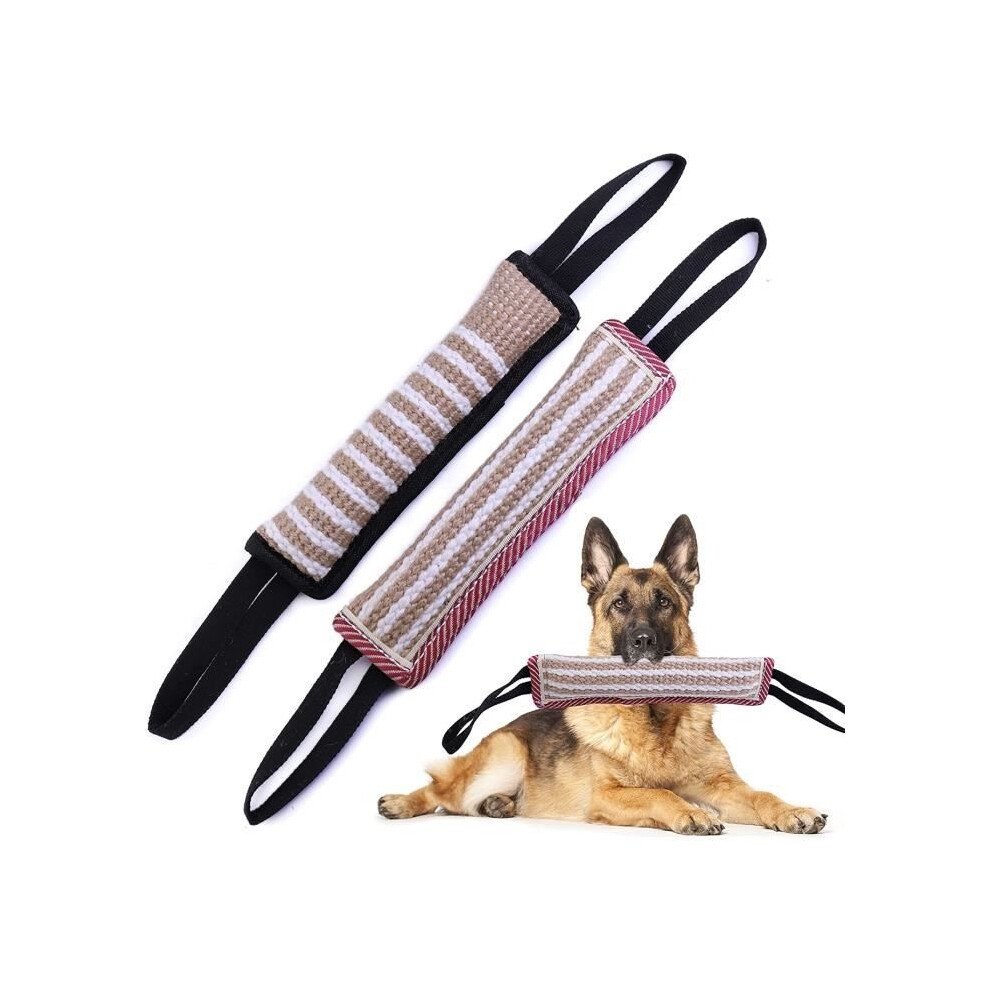
    Rope toys are a staple for tug-of-war enthusiasts, but many cheap versions fray instantly, leaving loose fibers that dogs love to swallow. The difference between a safe rope toy and a dangerous one often comes down to the material weave and thickness. Look for ropes made from 100% cotton or nylon blend with a tight, spiral weave.

    A standout category in this realm is the “hide-a-squeaker” design. These toys feature a durable outer shell, often made of heavy-duty canvas or thick rubber, with a squeaker strategically placed deep inside. This placement ensures that even if your dog bites hard enough to hear the noise, they cannot easily pop it out or ingest sharp plastic fragments.
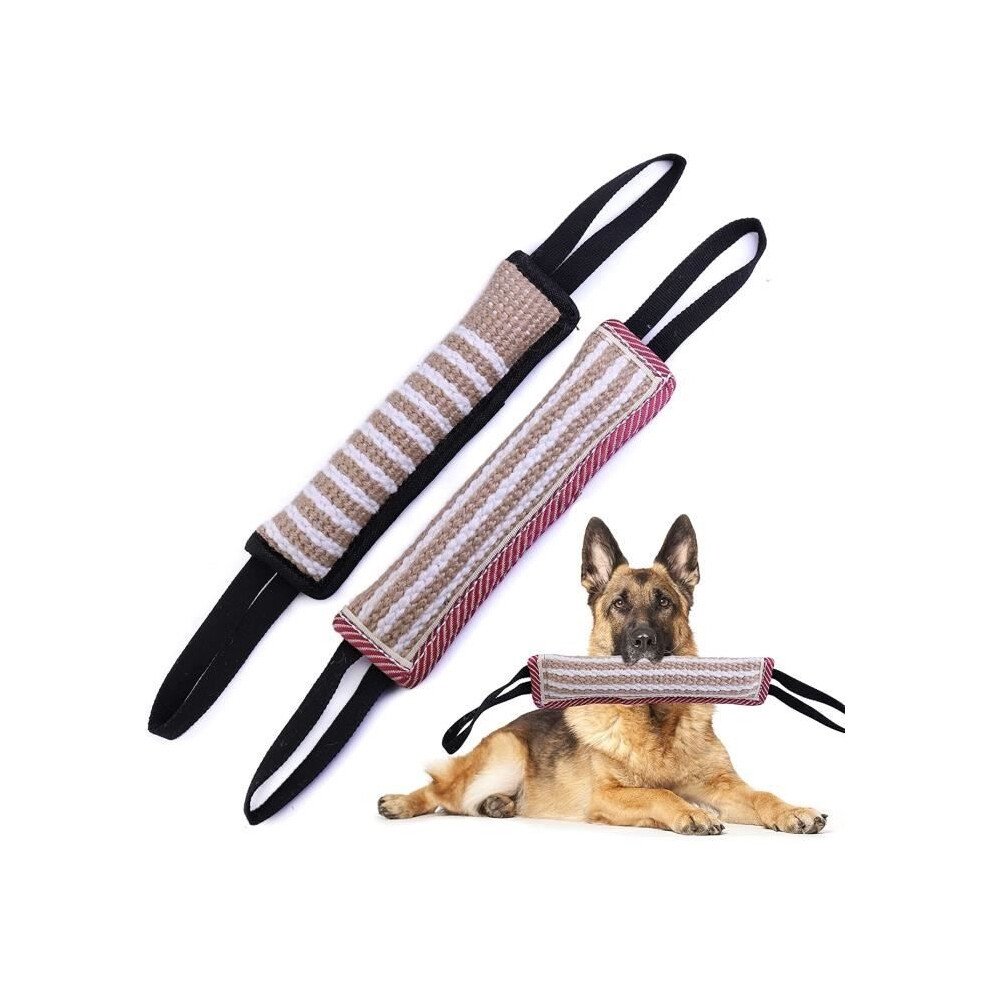
    These types of toys are excellent for interactive play sessions where you and your dog take turns pulling. The key is to inspect the rope ends regularly. If the stitching begins to separate, trim the loose threads immediately to prevent choking hazards. A well-maintained heavy-duty rope toy can last for years if used correctly as a tug-of-war tool rather than a solo chew stick.

    The Indestructible King: Nylon Bone Toys

    If your dog is known as a “destroyer” of toys, you need to switch up the material entirely. Enter the nylon bone toy. These are not made of plastic; they are molded from industrial-grade nylon, often with additives that make them resistant to extreme wear and tear. They come in various shapes, from classic bones to animal silhouettes like wolves or dinosaurs.

    The texture of these toys is rough, which helps clean your dog’s teeth as they chew, acting somewhat like a natural dental treat. This is a huge plus for owners concerned about plaque buildup and bad breath. However, because the material is so hard, these are best suited for dogs that chew moderately aggressively rather than those who try to eat the toy itself.

    When selecting a nylon bone, always check the size recommendation based on your dog’s weight. A toy that is too small can become a choking hazard if the dog manages to break off a chunk. Additionally, avoid toys with plastic eyes or ears attached to nylon bones, as these can be ripped off and swallowed. Stick to the monolithic designs where every part of the toy is made from the same durable material.

    Frozen Treat Dispensers: The Ice Cube Tray Hack

    Sometimes the most durable toy is one you make yourself using simple household items. Silicone ice cube trays are a fantastic, inexpensive solution for hot summer days or high-energy dogs who need a cool distraction. These trays are made from food-grade silicone that is flexible enough to release frozen treats easily but rigid enough to withstand being tossed around on grass or carpet.

    To make this toy effective, fill the tray with low-sodium chicken broth, Greek yogurt mixed with peanut butter (ensure xylitol-free), or a blend of wet food and kibble. Freeze it solid for at least four hours. Once frozen, present the block to your dog. As they lick and chew through the outer layer, the inner layers slowly melt, providing a long-lasting treat that satisfies their urge to chew without destroying anything.

    This method is highly customizable based on what your dog loves most and helps slow down fast eaters. Plus, it is an eco-friendly alternative to plastic water bottles or cheap plastic dispensers that often crack in the freezer. Just ensure you supervise your dog initially to prevent them from consuming too much of the concentrated treat mixture all at once.

    Conclusion: Safety and Satisfaction Go Hand in Hand

    Investing in durable dog toys is about more than just saving money; it is about ensuring the safety and happiness of your furry companion. Toys that fall apart quickly can lead to ingested plastic, sharp edges, or bacterial growth in hollowed-out shells. By choosing high-quality options like natural rubber Kongs, heavy-duty ropes, nylon bones, or homemade frozen treats, you provide your dog with safe, engaging entertainment that stands the test of time.

    Remember that every dog is different. A toy perfect for a gentle Labrador might be too soft for a Border Collie, and vice versa. Always observe your dog’s chewing style and adjust your toy selection accordingly. Regular inspection is key, even with the toughest toys, to ensure no parts are becoming loose or worn down over time.

    By prioritizing durability and safety, you turn playtime into a reliable bonding experience where the only thing getting destroyed is the boredom in your dog’s mind. Happy playing!

  • How to Keep Your Dog Entertained While You Work From Home

    How to Keep Your Dog Entertained While You Work From Home


    How to Keep Your Dog Entertained While You Work From Home

    The dream of working from home often includes pictures of cozy laptops, warm coffee, and a tail that wags uncontrollably every time you look up. However, the reality can sometimes feel like a high-stakes negotiation between your boss’s Zoom calls and your pup’s insatiable need for attention. When you are glued to your screen for eight hours, it is natural to wonder how you can maintain productivity without letting your furry friend down. Fortunately, keeping your dog entertained while you work does not require expensive gadgets or a team of professional trainers; it simply requires creativity, patience, and a few strategic adjustments to your daily routine.

    The key to success lies in understanding that boredom is the enemy of both your focus and your dog’s well-being. A bored dog becomes a destructive one, chewing shoes, scratching at doors, or barking incessantly. By implementing a mix of mental stimulation, physical exercise, and structured independence, you can create a harmonious work environment where everyone wins.

    Create a Dedicated Safe Zone with Comfortable Enrichment

    The first step in managing your dog during work hours is to establish a specific area where they feel safe but independent. This does not mean confining them to a small crate if they are anxious, but rather creating a “chill zone” that offers comfort and distraction. Ideally, this space should have access to their bed, water, and perhaps a window with a view of the outdoors so they can watch birds or squirrels without needing constant interaction.

    To enhance this area, invest in puzzle feeders and slow-feeder bowls. These tools turn mealtime into an engaging activity that keeps your dog occupied for twenty minutes or more while you sip your morning coffee. You can also hide treats around their safe zone, encouraging them to sniff and explore rather than beg at your desk. The goal is to teach your dog that while you are working, they have their own exciting world to explore right next to you.

    Leverage Technology for Mental Stimulation

    In today’s digital age, there are countless apps and devices designed specifically to keep dogs busy when their owners are unavailable. These tools can range from simple Bluetooth-controlled laser toys to sophisticated interactive puzzles that dispense treats based on problem-solving skills.

    • Laser Toy Apps: Some smartphones connect to external laser emitters, allowing you to project a moving dot across the floor from your desk. This mimics prey movement and keeps your dog chasing and thinking without requiring you to get up.

    • Automatic Treat Dispensers: Devices like automatic ball launchers or treat towers can be programmed to release rewards at intervals, providing consistent entertainment throughout the day.
    • Video Calls: For particularly social dogs who suffer from separation anxiety, a video call with another dog on a tablet can provide visual stimulation. While they cannot physically interact, seeing other dogs play can be surprisingly engaging.

    Remember that technology should supplement your efforts, not replace them entirely. Use these tools to bridge the gap when you need deep focus, but always ensure your dog gets plenty of human interaction outside of work hours.
    Incorporate Structured Play and Training Sessions

    Boredom often stems from a lack of purpose. By integrating short, structured training sessions into your workday, you transform mundane moments into bonding opportunities. Even if you are in the middle of a meeting break, a quick five-minute session can reset your dog’s mood and reinforce good behavior.

    Try incorporating “impulse control” games that require your dog to stay calm while you move around. Commands like “stay,” “leave it,” or “wait” are excellent for this. You can practice these commands near your desk, rewarding your dog with high-value treats when they successfully ignore distractions. Over time, this builds a foundation of trust and self-control.

    Another effective strategy is to rotate their toys daily. Dogs lose interest in items quickly if they have access to the same few objects every day. By hiding some toys away and swapping them out once or twice a week, you maintain the novelty factor. Introduce new tricks or games that challenge their brain, such as teaching them to fetch a specific object or navigate an obstacle course set up in the living room.

    Establish Clear Boundaries and Routine

    Dogs thrive on routine, and establishing clear boundaries between work time and play time is essential for maintaining a balanced household. When you start your workday, clearly signal to your dog that it is “work mode.” This might involve putting them in their safe zone with a fresh puzzle toy or giving them a brisk walk before you settle down at your computer.

    Conversely, establish a clear end-of-work ritual. When you finish for the day, dedicate time exclusively to play without distractions from phones or emails. This helps your dog understand that work hours are for focus and quiet exploration, while free time is for active engagement. Consistency in these routines reduces anxiety and prevents your dog from developing behaviors like whining when you finally leave the house at night.

    It is also important to communicate with your colleagues or family members about your dog’s needs. If you have a scheduled break, use it to take your dog for a walk or play fetch in the yard. Let them know that their presence is appreciated but that certain times require quiet attention. Setting these expectations early on prevents misunderstandings and ensures that everyone respects the boundaries of your workspace.

    Conclusion

    Keeping your dog entertained while you work from home is not just about keeping them out of trouble; it is about fostering a deeper connection and ensuring both of you thrive in a shared environment. By creating a comfortable safe zone, utilizing mental stimulation tools, engaging in structured training, and maintaining consistent routines, you can turn the challenges of remote work into opportunities for growth and bonding.

    Remember that every dog is unique, so experiment with different strategies to find what works best for your specific companion. With a little creativity and dedication, you can enjoy a productive workday while ensuring your furry friend remains happy, engaged, and content right beside you.

  • Best Dog Foods for Small Breeds: A Complete Guide

    Best Dog Foods for Small Breeds: A Complete Guide


    Why Small Breeds Need Specialized Nutrition

    We’ve all seen it happen: you’re at the grocery store, scrolling through the aisles of kibble, and suddenly you realize your pint-sized companion doesn’t fit into the standard feeding guidelines. Small breeds like Chihuahuas, Pomeranians, Dachshunds, and Toy Spaniels have unique nutritional needs that differ significantly from their larger cousins or adult medium-to-large dogs. The most common mistake owners make is simply downsizing the portion of large-breed food they are currently feeding. While this might seem logical on the surface, it often leads to serious health issues down the road.

    The primary reason small dogs require specific diets revolves around their metabolism and body structure. Because they have less total mass, their metabolic rate is faster relative to their size compared to larger dogs. This means they need nutrient-dense food that can be digested efficiently without overloading their system. Furthermore, small breeds are prone to dental issues and joint problems early in life. If you feed them a diet low in calcium or phosphorus balance, or one that lacks the necessary support for growing teeth, you might see significant issues before they even reach full maturity.

    Another critical factor is energy density. Small dogs need high-quality protein to maintain lean muscle mass because their bodies are more susceptible to rapid weight loss if their food isn’t calorically dense enough. However, we must be careful not to overfeed them with low-quality fillers that cause obesity. Obesity in small breeds is particularly dangerous because it exacerbates joint strain and can lead to heart disease much faster than in larger dogs. By choosing the right specialized food, you are essentially setting your furry friend up for a longer, happier life free from chronic pain or preventable ailments.

    Essential Nutrients to Look For on the Label

    When you are shopping for kibble specifically tailored to small breeds, there are specific ingredients and nutrient profiles that should be front and center of your attention. The first thing to check is the protein source. High-quality dog food for small breeds should list a named meat as the first ingredient, such as chicken, turkey, salmon, or lamb. Avoid products where “meat by-products” or generic terms like “animal meal” are listed first, as these often indicate lower nutritional value and fillers that your small dog won’t get enough energy from.

    Dental health is another major consideration for tiny dogs. Since their mouths are already smaller, plaque buildup can happen quickly if the food doesn’t help clean their teeth. Look for kibble formulated with a specific kibble size designed to fit comfortably in a small mouth but still be tough enough to provide some mechanical abrasion against tartar. Many premium brands now include natural enzymes or added vitamins like Vitamin A and Zinc, which support gum health and reduce inflammation in the gums.

    Joint support is often overlooked until it’s too late, but for small breeds with long backs like Dachshunds, or those prone to patellar luxation (knee dislocation), this is vital. Look for foods fortified with Glucosamine and Chondroitin. These are the building blocks of cartilage and help maintain smooth joint movement. Additionally, Omega-3 fatty acids, specifically EPA and DHA derived from fish oil, are crucial for reducing systemic inflammation and keeping their shiny coats soft and manageable. Always scan the ingredient list to ensure there are no excessive amounts of corn, wheat, or soy, which can cause allergic reactions or digestive upset in sensitive small dogs.

    How to Identify Quality Ingredients

    Finding the right food goes beyond just reading the front of the bag; you need to dig into the back label to understand what is truly going into your pet’s body. A hallmark of quality dog food for small breeds is the inclusion of whole foods rather than processed meals. For instance, look for freeze-dried or fresh meat inclusions alongside the dry kibble. These additions not only boost the protein content but also provide essential fats that support brain function and skin health.

    One specific detail to watch out for is the presence of artificial preservatives like BHA, BHT, or ethoxyquin. These chemicals are sometimes used to extend shelf life, but they can be harsh on a small dog’s sensitive digestive system and immune function. Instead, opt for foods preserved with natural antioxidants like mixed tocopherols (Vitamin E) or rosemary extract. These ingredients fight off oxidation in the food while keeping it safe for your pup.

    Transparency is also key. The best brands will clearly state their sourcing methods and manufacturing processes. If a brand hides behind vague terms like “natural flavors” without specifying what they are, it might be time to look elsewhere. You want to know exactly where the chicken came from or why the fish oil is sourced sustainably. This level of transparency often correlates with higher overall quality control. Remember that your small dog’s stomach is smaller, meaning they process food faster and may react more quickly to poor-quality ingredients. If you notice a change in stool consistency, energy levels, or coat shine after switching foods, trust your instincts and consult your veterinarian if symptoms persist.

    Frequently Asked Questions About Small Breed Diets

    Q: Can I just mix my current food with small breed kibble?
    Yes, transitioning is often the best approach to avoid digestive upset. Start by mixing 25% new food with 75% old food for the first few days, then gradually increase the ratio of the new kibble over a week or two. This allows your dog’s gut flora to adjust to the new protein sources and fiber levels without causing diarrhea or vomiting.

    Q: Is wet food better than dry kibble for small dogs?
    Wet food has its place, especially for senior small breeds that may have dental pain making chewing difficult, or for dogs that need extra hydration. However, many small breed owners prefer high-quality dry kibble because it helps clean teeth and is easier to store. The best strategy is often a combination of both, ensuring your dog gets the texture they like while maintaining a balanced diet rich in nutrients.

    Q: How much should I feed my small dog?
    Portion control is critical. Always follow the feeding guide on the package as a starting point, but adjust based on your dog’s activity level and body condition score. A good rule of thumb is to feel their ribs; you should be able to easily feel them without seeing them. If your small dog is gaining weight too quickly despite being fed measured amounts, you may need to switch to a lower-calorie formula or reduce portions slightly.

    Conclusion

    Choosing the best dog food for your small breed is one of the most impactful decisions you can make as a pet owner. It requires looking past the cute packaging and diving deep into ingredient lists, nutritional profiles, and specific health needs unique to tiny dogs. By prioritizing high-quality proteins, dental-friendly kibble sizes, and joint-supporting nutrients, you are giving your companion the foundation they need for a vibrant life. Remember that every dog is an individual, so don’t hesitate to consult with your veterinarian to tailor a diet plan that fits your specific pup’s lifestyle and health history. With the right nutrition, your small furry friend will thrive, full of energy and joy, ready to explore the world alongside you.