Tag: toddler activities

  • Diy Learning Games Parents Can Make At Home

    Diy Learning Games Parents Can Make At Home

    We have all been there: it is a rainy Tuesday afternoon, the kids are bouncing off the walls, and you realize you have run out of educational activities that don’t involve a screen. You want to help them learn, but the thought of running to the store to buy a new plastic learning kit feels exhausting and expensive. The good news is that some of the most effective teaching tools are already sitting in your kitchen pantry or recycling bin.
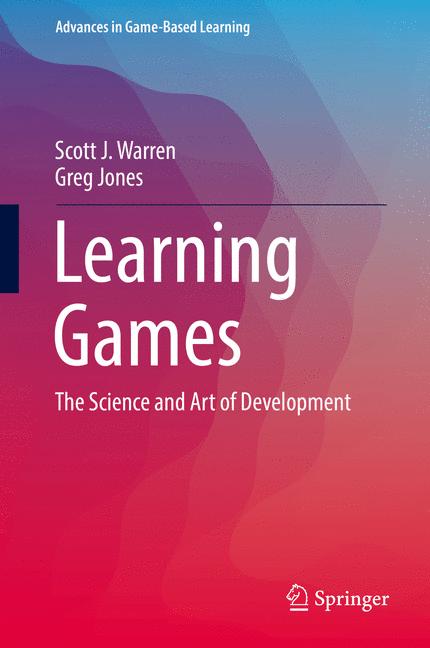
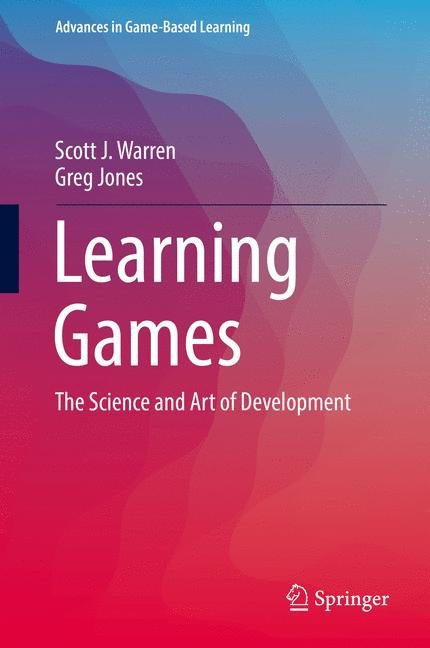
    Learning Games

    Creating your own activities is not just a budget friendly way to keep kids occupied; it actually allows you to tailor the difficulty to exactly where your child is at developmentally. You don’t need a degree in early childhood education to make this work. You just need a little bit of creativity and some common household items.

    Why DIY games are a win for development

    When children engage with homemade games, they aren”t just playing; they are practicing critical thinking, fine motor skills, and problem-solving. Unlike many store-bought toys that have a single, predetermined way to play, DIY games are often open-ended. This encourages “divergent thinking,” which is a fancy way of saying it helps them learn how to approach problems from multiple angles.

    Using tactile materials like dried beans, buttons, or even pasta shapes provides sensory input that helps cement new concepts. Whether they are counting out pebbles or sorting colored scraps of paper, these physical actions help bridge the gap between an abstract idea and a concrete understanding.

    Simple activities for the littlest learners

    For babies and toddlers, learning is all about sensory exploration and recognizing patterns. At this stage, safety is your number one priority. Always ensure that any small parts used in these games are large enough to avoid choking hazards.

    The Sensory Color Sort

    This is one of the best for toddlers who are just starting to recognize colors. All you need is a muffin tin and some colorful items like large pom-poms, colored pasta, or even large plastic bottle caps.

    • Place a small piece of colored paper at the bottom of each muffin cup.
    • Ask your child to find objects around the room that match each color.
    • Have them drop the items into the corresponding cup.

    This activity helps with color recognition and hand-eye coordination as they aim for the small holes of the tin.

    Sticky Tape Rescue

    If you have some painter’s tape and some small plastic animals or toy cars, you have a great game for fine motor development. Tape the toys down to a cookie sheet or a tabletop using strips of tape.

    Your little one will have to use their fingers to peel the tape back and “rescue” the toys. It requires a surprising amount of focus and strengthens those tiny finger muscles needed for later writing skills.

    Hands-on math and literacy for preschoolers

    Preschoolers are entering a stage where they start understanding quantities and letter shapes. You can use basic household items to make these concepts much less intimidating.

    The Alphabet Scavenger Hunt

    Grab a handful of magnetic letters or even just write letters on small pieces of paper. Hide them around a safe area of the living room. As your child finds a letter, ask them to identify it and make the sound that goes with it.

    To make it more age appropriate for a child who knows some words, ask them to find a letter and then name an object that starts with that sound. It turns a simple hunt into a phonics lesson.

    Pasta Counting Towers

    Using dry rigatoni or penne pasta and some playdough, you can practice basic addition and subtraction. Roll small balls of playdough and place them on a flat surface. Use the pasta as “sticks” to connect the dough balls.

    You can start by asking them to build a tower with three pieces of pasta, then “add” two more. This visual representation of numbers helps them grasp the concept of quantity far better than just looking at a worksheet.

    Leveling up for school-aged kids

    Once children enter elementary school, they are tackling more complex ideas like multiplication, spelling, and even basic science. The games can get a bit more complex, but they remain incredibly low-cost.

    DIY Scrabble with Cardboard

    If you have an old cereal box, you can make your own letter tiles. Cut the cardboard into small squares and write one letter on each. You can even color-code them—vowels in red, consonants in blue.

    Use these tiles to build simple three-letter words or play a “word building” race where you see how many words you can make in two minutes. This is a fantastic way to boost spelling skills without the pressure of a formal test.

    The Kitchen Science Experiment

    Science doesn’t require a laboratory. You can teach basic chemical reactions using just baking soda and vinegar. Give your child a tray of small cups filled with a bit of baking soda and some drops of food coloring.

    Provide a dropper or a small spoon with vinegar. As they drop the vinegar into the cups, they will see the fizzing reaction. This is great for teaching cause and effect and observation skills.

    Safety tips for homemade play

    While DIY games are wonderful, a quick safety check is necessary before you start. Always keep these points in mind:

    • Check for small parts: If you are playing with children under three, avoid anything small enough to fit inside a toilet paper roll.
    • Non-toxic materials: Ensure that any glue, markers, or food items used are non-toxic and safe if accidentally tasted.
    • Supervision is key: Even the simplest games should be monitored to prevent accidents, especially when using liquids or small objects.

    Making learning a daily habit

    You don’t need to spend hours every day setting up elaborate stations. The most successful way to integrate learning into your routine is to keep it short and fun. Even ten minutes of a “sorting game” during snack time can make a massive difference in a child’s progress.

    The goal isn’t to replace school or formal study, but to supplement it with joy. When a child sees that learning can happen with pasta, tape, and cardboard, they develop a much more positive relationship with education as a whole.

    Do you have a favorite way to turn household items into learning tools? Grab some scraps from your recycling bin this afternoon and try one of these ideas out. If you found these tips helpful, share this article with another parent who might be looking for some creative, low-cost inspiration!

    Our Top Picks

    Products we recommend:

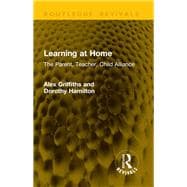
    1. Learning at Home

    Learning at Home

    Learning at Home

    by eCampus.com

    $109.89

    Check Price →

    2. Dessert Circus: Extraordinary Desserts You Can Make At Home
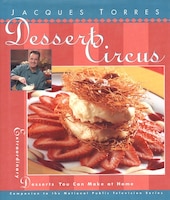
    Dessert Circus: Extraordinary Desserts You Can Make At Home

    Dessert Circus: Extraordinary Desserts You Can Make At Home

    by Indigo Books & Music

    $35.00

    Check Price →

    3. Learning at Home

    Learning at Home

    Learning at Home

    by Knetbooks.com

    $109.34

    Check Price →

  • Fun Rainy Day Activities For Children

    Fun Rainy Day Activities For Children

    We have all been there. You wake up, look out the window, and see nothing but gray skies and relentless raindrops. The initial thought is usually a sigh of disappointment because the outdoor plans are officially canceled. However, once the initial gloom passes, you realize that a rainy day is actually a golden opportunity to slow down and bond with your kids without the distractions of soccer practice or playground trips.

    My Pet's Health & Wellness Log: Journal Notebook For Animal Lovers, Record Your

    Instead of viewing a rainy day as a hurdle, try seeing it as a chance to explore a different side of your child’s creativity. While the debate of indoor vs outdoor play often feels like a losing battle when it’s pouring, the right activities can turn a dreary afternoon into something your kids will actually remember fondly. From messy kitchen experiments to quiet reading corners, there is a way to keep the boredom at bay without breaking the bank.

    Creative Arts and Messy Play

    Art is one of the easiest ways to pass the time because most of the supplies are likely already sitting in your junk drawer or craft bin. These activities are great for fine motor skill development and allow kids to express emotions that they might not be able to put into words yet.

    Homemade Playdough and Sensory Bins

    If you are looking for a budget friendly way to entertain toddlers, making playdough from scratch is a fantastic option. All you need is flour, salt, water, and a bit of food coloring. This isn”t just about the end product; the process of measuring, stirring, and kneading is a brilliant way for younger children to learn about textures and basic math concepts.

    For older toddlers, sensory bins are a lifesaver. Fill a large plastic tub with dried rice, beans, or even cooked pasta. Hide small plastic dinosaurs or toy cars inside. This type of tactile play helps with sensory processing and can keep a child focused for a surprisingly long time.

    The Living Room Gallery

    Turn your hallway into an art museum. Give your children large sheets of paper or even the backs of old cereal boxes and ask them to create a themed collection—perhaps “Under the Sea” or “Space Explorers.” Once they finish, hang the pieces up using painter’s tape. This gives them a sense of pride and teaches them how to curate and present their work.

    Active Indoor Games to Burn Energy

    One of the hardest parts of staying inside is the “zoomies” that hit kids after being cooped up for too long. If they don’t get to run around outside, they might start climbing the furniture. You need high-energy activities to help them burn that physical energy safely.

    Obstacle Courses and Indoor Scavenger Hunts

    You don’t need much space to build a great obstacle course. Use pillows as “lava” stones, couch cushions as hurdles, and painter’s tape on the floor as balance beams. This is an age appropriate way to challenge their gross motor skills and coordination.

    • For Toddlers: Focus on simple movements like crawling under a table or jumping over a soft towel.
    • For School-Aged Kids: Add a timer to make it a race against the clock.
    • For Tweens: Add “skill stations” like balancing a spoon with an egg (or a ball) on it.

    Scavenger hunts are another winner. You can make them simple, like “find something blue” or “find something soft,” or more complex, involving riddles that lead them from the kitchen to the bathtub. It keeps them moving through the house with a specific purpose.

    Indoor Camping

    There is something inherently exciting about sleeping in a space where you don’t usually sleep. Grab every blanket and pillow in the house and build a massive fort under the dining room table or between two chairs. Bring in flashlights and some snacks, and suddenly your living room is a campsite. This encourages imaginative play and provides a cozy environment for storytelling.

    Quiet Time and Cognitive Challenges

    When the energy levels naturally dip in the late afternoon, it is the perfect time to transition to more sedentary, brain-boosting activities. These are excellent for improving concentration and literacy skills.

    Kitchen Science Experiments

    Rainy days are the perfect excuse to get a little bit messy in the kitchen. Science experiments provide a “wow” factor that keeps kids engaged. A classic baking soda and vinegar volcano is a staple for a reason—it is visually stimulating and easy to set up.

    Another great option is making “magic milk.” By adding drops of food coloring to a shallow dish of milk and then touching it with a cotton swab dipped in dish soap, you can watch the colors dance and swirl. These experiments introduce basic scientific principles like chemical reactions and surface tension in a way that feels like pure fun.

    Board Games and Strategy Play

    Board games are a classic for a reason. They teach turn-taking, patience, and strategic thinking. If you have younger children, stick to simple matching games or classics like Candy Land. For older kids, games like Chess, Settlers of Catan, or even complex card games can provide hours of mental stimulation. It is a great way to foster healthy competition and family connection.

    Safety First: A Quick Note for Parents

    While indoor play is wonderful, it does come with a few risks. When setting up obstacle courses or forts, ensure that no heavy furniture is at risk of tipping. If you are doing science experiments, always supervise closely to prevent spills on electronics or accidental ingestion of ingredients. Always keep an eye on small parts when playing with toddlers to avoid choking hazards.

    Ultimately, the goal isn’t to find the “perfect” activity, but to find the one that fits your child’s current mood and energy level. Some days require high-octane movement, and other days call for quiet coloring. By having a few of these ideas in your back pocket, you can transform a rainy afternoon from a stressful event into a meaningful family memory.

    Do you have a go-to rainy day tradition? Share your favorite ideas in the comments below—we would love to hear how you keep the boredom away!

    Our Top Picks

    Products we recommend:

    1. Rainy Day Pastimes for Children

    Rainy Day Pastimes for Children

    Rainy Day Pastimes for Children

    by Indigo Books & Music

    $31.95

    Check Price →

    2. Reco World of Children Rainy Day Fun – With Box

    Reco World of Children Rainy Day Fun - With Box

    Reco World of Children Rainy Day Fun – With Box

    by Replacements Ltd.

    $8.99

    Check Price →

    3. Rainy Day Fun Kit

    Rainy Day Fun Kit

    Rainy Day Fun Kit

    by eCampus.com

    $18.10

    Check Price →