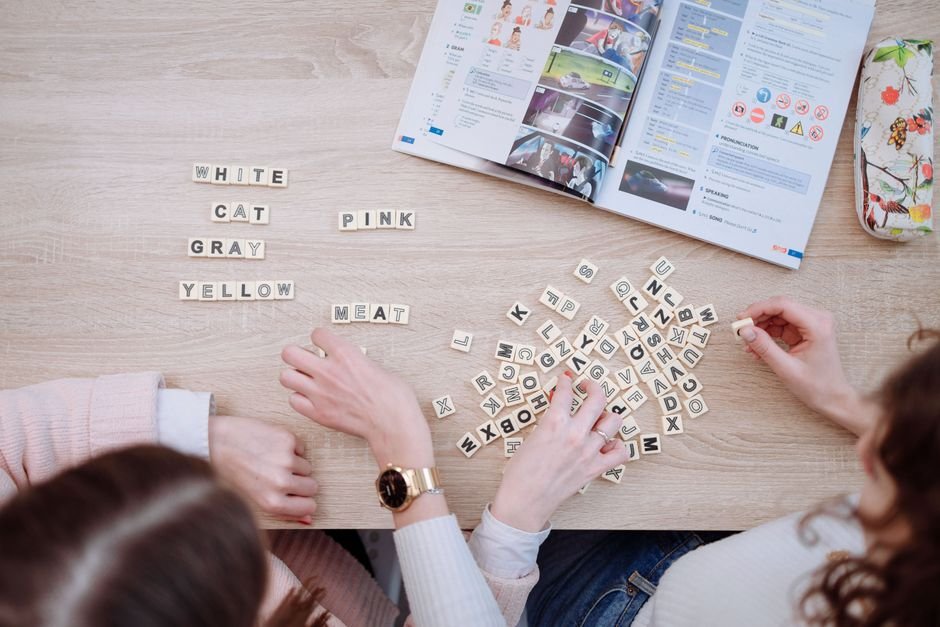
We’ve all been there. The final school bell rings, the sun comes out, and suddenly the idea of “summer learning” feels like a direct threat to your child’s happiness (and your peace of mind). You want them to keep their skills sharp so they don’t hit that dreaded “summer slide,” but the last thing you want is a summer filled with tears, heavy textbooks, and resentment toward learning.
The secret isn”t forcing extra hours of study. Instead, it’s about finding materials that feel more like a hobby than a chore. When we talk about workbooks that kids actually enjoy, we are looking for something high on engagement and low on “school vibes.” I’ve spent plenty of time scouring through different educational resources to find the ones that strike that perfect balance between fun and functional.
Why Summer Learning Doesn’t Have to Feel Like School
First, let’s clear the air: summer learning shouldn’t be a replacement for play. Kids need downtime to recharge their brains. However, light, consistent engagement can prevent them from forgetting key concepts in math or reading. The goal is to keep the gears turning without making them feel like they are back in a classroom.
When you choose an age appropriate resource, you are providing a way for them to master new skills through curiosity. A good workbook acts as a bridge, connecting what they learned last year to what they will encounter next fall. If the material is too hard, they’ll quit; if it’s too easy, they’ll get bored. Finding that “sweet spot” is the key to success.
Finding the Right Fit for Every Age Group
Not all workbooks are created equal. What works for a preschooler will be completely useless for a fifth grader. Here is how I break down recommendations based on developmental stages.
Preschool and Toddlers: Sensory and Visual Focus
For the littlest learners, avoid anything with heavy writing requirements. At this stage, we are looking at fine motor skills and basic recognition. The best for toddlers are those that involve coloring, tracing lines, or matching shapes.
- Look for “wipe-clean” books: These allow for endless repetition without the frustration of mistakes.
- Focus on sticker activities: Stickers are a huge motivator and help with finger dexterity.
- Prioritize bright, high-contrast imagery: This keeps their attention much longer than text-heavy pages.
Early Elementary (Grades K-2): Building Confidence
This is the era of phonics and basic addition. Kids in this group are starting to work more independently, but they still need a lot of encouragement. I recommend workbooks that incorporate storytelling or “missions.”
If a math workbook tells them they are “solving a mystery” by adding numbers together, they are much more likely to stick with it. Look for books that mix literacy with simple logic puzzles. This variety prevents the mental fatigue that often leads to summer melenes.
Upper Elementary (Grades 3-5): Complexity and Curiosity
Older kids need something meatier. They are capable of deeper dives into science, history, or advanced multiplication. At this age, “gamified” workbooks—those that use trivia or escape-room-style logic—work wonders.
Avoid anything that looks like a direct copy of their school curriculum. If they see the same worksheets they had in May, they will shut down immediately. Instead, look for supplemental topics, like “Fun with Fractions” or “Space Exploration Science.”
What to Look for Before You Buy
Before you click “add to cart,” take a moment to flip through the digital preview if available. I always check for three specific things to ensure the material is actually engaging.
- The “Fun Factor”: Does it have puzzles, mazes, or coloring elements? If it’s just rows of multiplication problems, put it back.
- Instruction Clarity: Can your child follow the instructions on their own? The more you have to hover and explain, the less likely they are to do it independently.
- Variety of Tasks: A good workbook should rotate between different types of mental exercises to keep the brain stimulated.
A Note on Safety and Screen-Free Time
While there are many wonderful educational apps available, physical workbooks offer a much-needed break from blue light. Using paper-based learning helps develop hand-eye coordination and provides a tactile experience that screens simply cannot replicate. Just a quick safety tip: always ensure that any materials used (like markers or stickers) are non-toxic and appropriate for your child’s specific age.
Practical Tips for a Stress-Free Summer Routine
You don’t need to schedule “Workbook Hour” every single day at 9:00 AM. That sounds too much like a syllabus. Instead, try integrating these activities into your existing summer rhythm.
One method I love is the “Morning Coffee Strategy.” While you are sitting with your coffee or tea, set a workbook on the table near them. If they pick it up because they are bored while waiting for breakfast, that’s a win! Another idea is to use workbooks as a “travel companion” during long car rides or flights. It gives them something productive to do that doesn’t involve an iPad.
Keep the sessions short. Ten to fifteen minutes of focused, happy learning is far more effective than an hour of struggling through frustration. If you see them starting to lose focus, it’s time to close the book and head outside.
Final Thoughts on Summer Success
The ultimate goal of summer learning is to foster a love for discovery. When we choose engaging, colorful, and varied materials, we aren’t just preventing learning loss; we are helping our kids see that learning is something that happens everywhere, not just when they are sitting at a desk.
Are you ready to find the perfect summer companion for your child? Start by checking out some of our favorite local bookstores or online educational retailers today. Grab one or two books that look interesting, and let the summer adventures begin!