I remember sitting on the floor with my nephew last summer, watching him struggle to finish a single puzzle. Every thirty seconds, his eyes would dart toward the tablet sitting on the coffee table. It felt like his attention was being pulled in a dozen directions at once. If you have ever felt that same frustration, you aren’t alone. We live in a world of instant gratification, where a quick swipe can provide an endless stream of dopamine. While technology has its place, it often trains young brains to crave constant stimulation, making it harder for them to focus on tasks that require patience and deep thought.

The good news is that you can help rebuild that “focus muscle” without needing a massive budget or a complete lifestyle overhaul. By introducing specific, tactile, and engaging tasks, you can help your child learn how to settle into a single activity for longer periods. These activities aren’t just about keeping them busy; they are about teaching their brains how to engage with the world around them without a backlight.
Why disconnecting helps the developing brain
When children engage with screens, they are often in a passive state of consumption. The rapid-fire imagery and sound effects create a high-intensity environment that makes real-life tasks—like reading a book or building a Lego set—seem incredibly boring by comparison. This is where the concept of “boredom” actually becomes a tool. When a child is bored, their brain starts looking for ways to entertain itself, often leading to creative problem-solving.
Engaging in physical, hands-on tasks promotes neuroplasticity. These activities require sensory input, which helps ground a child in the present moment. As they handle the textures, weights, and complexities of a physical object, they are practicing the very essence of concentration: sustained attention to detail.
Hands-on activities for toddlers and preschoolers
For the youngest learners, concentration is all about sensory exploration. At this age, they don’t need complex rules; they just need something that captures their tactile curiosity.
Sensory bins and texture play
Filling a plastic tub with dried rice, beans, or even water beads can keep a toddler occupied for a surprisingly long time. Adding small hidden objects like plastic dinosaurs or colorful pebbles turns a simple sensory experience into a scavenger hunt. This is an educational way to work on fine motor skills while encouraging them to focus on a singular, repetitive motion.
Simple sorting games
Grab a muffin tin and a bowl of multi-colored buttons or large pom-ons. Asking a preschooler to sort the items by color or size is a great way to introduce early math concepts. It is a budget friendly way to practice categorization, which is a fundamental building block for logical thinking.
Safety Note: Always supervise toddlers during sensory play, especially when using small items like beans or buttons, to prevent choking hazards.
Engaging tasks for school-aged children
Once kids enter school, their ability to follow multi-step instructions grows. This is the perfect time to introduce activities that require a bit more strategy and persistence.
Complex building sets and puzzles
Whether it is wooden blocks, magnetic tiles, or classic jigsaw puzzles, construction-based play is unmatched for building stamina. A puzzle requires a child to look at a small piece, analyze its shape, and scan the larger picture to find a match. This process of trial and error is exactly what helps strengthen their ability to concentrate on difficult schoolwork later on.
Artistic endeavors and detailed coloring
Moving beyond simple scribbles, you can introduce watercolor painting, clay modeling, or intricate coloring books. These mediums require a level of precision that forces a child to slow down. Working with clay, in particular, provides excellent proprioceptive input, which can be very calming for children who struggle with restlessness.
Board games and strategy play
Games like Chess, Checkers, or even simple card games like Uno teach children to anticipate moves and follow a set of rules. These games are age appropriate for various skill levels and provide a social element that screens often lack. Learning to wait for your turn is a vital lesson in impulse control.
Activities for older children and tweens
As kids get older, they often crave more autonomy and complexity. The goal here is to find hobbies that are challenging enough to prevent them from reaching for a phone.
- Model building: Kits involving airplanes, cars, or architecture require intense focus and steady hands.
- Learning a musical instrument: This is perhaps the ultimate concentration builder, as it requires simultaneous focus on rhythm, melody, and physical technique.
- Cooking and baking: Following a recipe is a multi-sensory experience that involves reading, measuring, and timing. It’s a practical life skill that rewards patience with a delicious result.
- Gardening: Tending to a small herb garden teaches the long-term rewards of consistent, daily care.
Creating a screen-free environment
It is difficult to expect a child to focus on a book if a bright, noisy device is sitting right next to them. Creating a “focus zone” can make a significant difference. This doesn’t mean you need a dedicated playroom, but rather a designated space in your home that is a strictly tech-free area.
You might also consider setting “tech-free windows” during the day, such as during dinner or the hour before bedtime. This helps regulate their nervous system and prepares their brain for deeper, more restorative sleep. When we reduce the constant noise of digital notifications, we give their minds the space they need to wander, wonder, and eventually, focus.
If you are looking for more ways to support your child’s development through play, check out our library of activity guides designed for every age and stage. Let’s work together to help our kids find joy in the offline world!
Our Top Picks
Products we recommend:
1. 150+ Screen-Free Activities for Kids
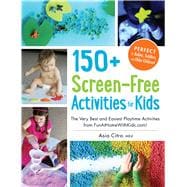
2. 150+ Screen-Free Activities for Kids (eBook)
3. Colorful Toddler Puzzle In Bright Shades Designed For Cognitive Learning Activities That Improve Problem Solving And Promote Screen Free Creative

Colorful Toddler Puzzle In Bright Shades Designed For Cognitive Learning Activities That Improve Problem Solving And Promote Screen Free Creative
by OnBuy.com
$18.48