Tag: educational workbooks

  • Summer Learning Workbooks That Kids Actually Enjoy

    Summer Learning Workbooks That Kids Actually Enjoy

    We’ve all been there. The school year ends, the sun comes out, and suddenly the “summer slide” starts looking like a very real threat. You want your child to keep their skills sharp, but the last thing anyone needs is a summer filled with tearful afternoons spent hunched over a desk doing repetitive math drills. If the mere sight of a worksheet makes your kid groan, you aren’t alone.

    The secret isn’t about forcing hours of intense study. Instead, it’s about finding materials that feel more like a hobby than a chore. The right workbook can act as a bridge between the classroom and the playground, keeping their brain active without sucking the joy out of their vacation. Let’s look at some ways to find engaging, fun, and effective resources that your kids will actually want to pick up.

    Finding the right balance between play and study

    When we talk about summer learning, the goal shouldn’t be to replicate the school day. If you try to mimic a formal curriculum, you’ll likely face a lot of resistance. Instead, look for books that prioritize puzzles, coloring, and storytelling. These types of activities stimulate the same cognitive pathways used for reading and logic but wrap them in a much more palatable package.

    Think of these workbooks as “brain snacks.” They are small, digestible, and meant to be enjoyed in short bursts—perhaps while waiting for a restaurant order or during a quiet hour at the park. When the content is visually stimulating and interactive, the learning happens almost by accident.

    Age-specific recommendations for summer success

    A workbook that works for a seven-year-old will be a total flop for a toddler. Matching the difficulty level to their current developmental stage is the most important step in preventing frustration.

    Preschool and Toddler years

    For the youngest learners, we are looking for something best for toddlers and preschoolers that focuses on sensory engagement and fine motor skills. At this age, “learning” looks like tracing lines, identifying colors, and matching shapes. Look for “wipe-clean” books; they are incredibly budget friendly because you can use them over and over again, and they allow for the mistakes that are so vital to early development.

    Elementary schoolers (Grades K-5)

    Once kids enter elementary school, they can handle more structured logic. This is the prime age for activity-based workbooks. Seek out books that feature:

    • Word searches and crosswords to build vocabulary.
    • Mazes that require spatial reasoning.
    • Dot-to-dots that practice number sequencing.
    • Simple logic puzzles that feel like a game.

    The key here is to find educational content that hides within a narrative. A math workbook that tells a story about a space mission is much more likely to keep a second-grader engaged than a book of plain equations.

    Middle schoolers (Grades 6-8)

    Middle schoolers are a tougher crowd. They are often too “old” for coloring but still need engagement. For this group, look for “brain training” books or high-level Sudoku. Science-based activity books that involve small, easy experiments can also be a huge hit. These kids benefit from challenges that feel intellectually stimulating rather than patronizing.

    Safety and developmental considerations

    While we want to keep things fun, we also need to be mindful of a few practical things. First, always check the age ratings on any activity books, especially those involving small pieces or complex instructions. If you are buying activity kits that include physical components like stickers or magnets, ensure they are age-appropriate to avoid any choking hazards.

    From a developmental standpoint, avoid “drilling” too hard. If a child spends thirty minutes struggling with a difficult concept, they might start to associate learning with stress. It is much better to do five minutes of easy, successful work than twenty minutes of frustrating struggle. The goal is to build confidence, not anxiety.

    How to integrate workbooks into your summer routine

    Integration is everything. If you treat the workbook like a mandatory assignment, it becomes a battleground. Instead, try these low-pressure methods:

    1. The “Travel Companion” Method: Keep a workbook in the car or the airplane. It provides a productive way to pass the time during long trips.
    2. The “Quiet Time” Routine: Use workbooks as part of a scheduled quiet hour when they can relax, listen to an audiobook, or draw.
    3. The “Choice” System: Let your child pick which book they want to work on that day. Giving them a sense of autonomy goes a long way.

    Remember, the primary objective of summer is rest and rejuvenation. If a particular book isn’t working, put it away. There is no shame in pivoting to a different activity. The most effective learning tools are the ones that your child actually wants to use.

    Are you ready to find some summer fun? Start by browsing your local library or looking for highly-rated activity sets online. Grab a few different styles, see what sticks, and enjoy a summer that is both relaxing and intellectually stimulating for your little ones!

  • Summer Learning Workbooks That Kids Actually Enjoy

    Summer Learning Workbooks That Kids Actually Enjoy

    We’ve all been there. The final school bell rings, the kids are screaming with joy, and you finally feel like you can breathe again. But then, a few weeks into July, the “summer slide” starts to creep in. You notice the math fluency slipping, or suddenly, reading a single paragraph feels like an uphill battle. You want to keep their brains active, but the last thing you want is a summer filled with tears and resentment over a desk full of dry, repetitive drills.

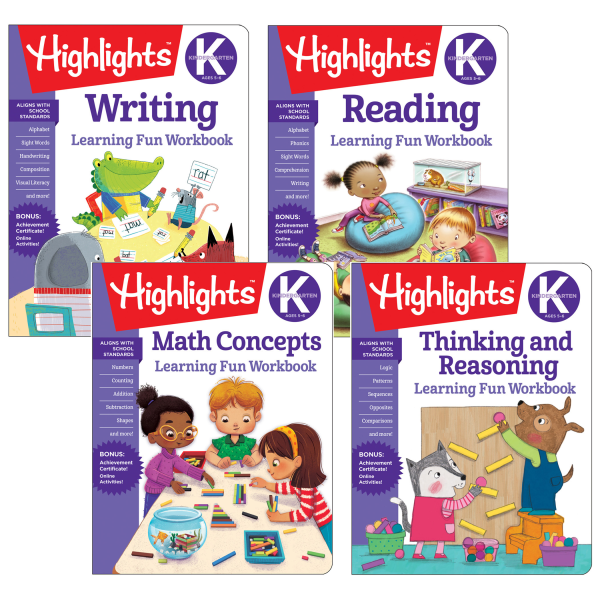
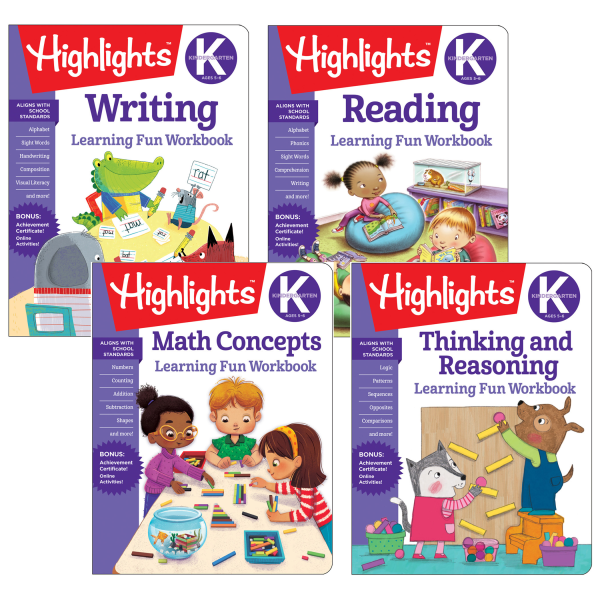
    Highlights� Kindergarten Learning Fun Workbooks, Set Of 4 Workbooks

    The secret isn”t forcing hours of intense study. Instead, it’s about finding the right balance between playful engagement and educational progress. The goal is to find workbooks that feel more like a puzzle or a game than a classroom assignment. When a child is genuinely interested in the subject matter, the learning happens almost by accident.

    How to Choose the Right Materials for Your Child

    Before you start clicking “add to cart” on every colorful book you see, take a moment to assess where your child actually stands. It is tempting to buy something “advanced” to get ahead, but if the material is too difficult, they will quickly lose interest and associate learning with frustration.

    Matching Difficulty to Skill Level

    Always look for age appropriate content that targets their current level rather than their next grade. If your second grader is struggling with subtraction, a third-grade workbook will feel like a chore. You want them to experience small wins. Success breeds confidence, and confidence is what keeps them turning the pages.

    Identifying Interests

    Does your child love dinosaurs? Are they obsessed with space or Minecraft? Many modern workbooks use these themes to teach math or literacy. When the “problem” involves calculating how many T-Rex teeth are in a pile, the math becomes a secondary concern to the fun of the topic itself.

    Top Workbook Picks for Different Age Groups

    Not all workbooks are created equal. Depending on whether you have a preschooler or a pre-teen, your approach should vary significantly. Here is a breakdown of what to look for based on developmental stages.

    Preschool and Kindergarten: Focus on Fine Motor Skills

    At this age, “learning” should look a lot like coloring and tracing. You aren’t looking for complex multiplication; you are looking for activities that build hand strength and letter recognition.

    • Wipe-Clean Activity Books: These are fantastic because they allow for mistakes. Kids can erase a messy letter and try again, which reduces the anxiety of “getting it wrong.”
    • Sticker Books: Using stickers to count or categorize objects is a great way to introduce early math concepts without using a pencil.
    • Coloring-Based Logic: Simple “follow the path” or “color by number” books help with concentration and following multi-step directions.

    Elementary Age (Grades 1-5): The Sweet Spot of Engagement

    This is the age where the summer slide is most prevalent. This is also the age where you can introduce more structured educational content through variety. Look for books that mix writing, math, and science.

    1. Brain Teaser and Logic Books: Sudoku for kids, mazes, and word searches are excellent for keeping the brain sharp without feeling like “schoolwork.”
    2. Themed Math Workbooks: Look for books that use storytelling. If a math problem is part of a mystery they have to solve, they will stay engaged much longer.
    3. Nature Journaling: While not a traditional workbook, a blank guided journal can be used to track bugs, plants, or weather, blending literacy with outdoor exploration.

    Middle School (Grades 6-8): Keeping it Challenging

    Older kids need more autonomy. They don’t want to be “taught” to; they want to explore. At this stage, look for books that offer deep dives into specific interests like coding, astronomy, or historical mysteries.

    Avoid anything that feels “babyish.” Even if they are struggling with a concept, presenting it through a sophisticated lens—like a science experiment manual or a complex logic puzzle book—respects their maturity and keeps them interested.

    Balancing Indoor vs Outdoor Learning

    One of the biggest mistakes parents make is assuming all learning happens at a kitchen table. To prevent burnout, try to vary the environment. When deciding between indoor vs outdoor activities, consider the heat and the distraction level.

    On hot, humid afternoons, a cool air-conditioned room is the perfect place for a focused workbook session. However, on breezy mornings, take the “workbook” outside. A clipboard and a nature-themed activity book in the backyard can make the experience feel like an adventure rather than a task.

    Safety is also a factor here. If you are using workbooks that involve outdoor scavenger hunts or science experiments, always ensure the environment is supervised and that any materials used (like magnifying glasses or small specimens) are handled with care.

    Practical Tips for a Stress-Free Summer Routine

    Consistency is much more effective than intensity. You don’t need to schedule an hour of work every day. In fact, I recommend against it. Instead, try these small tweaks to your daily routine:

    • The 20-Minute Rule: Set a timer for just 20 minutes. Once it goes off, they are done for the day. This makes the task feel manageable and prevents them from dreading the “work” part of their day.
    • Create a “Learning Nook”: A specific, comfortable spot for reading or workbooks can help signal to a child’s brain that it is time to focus, away from the distractions of the TV or toys.
    • Reward the Effort, Not Just the Result: Instead of saying “Great job getting all the answers right,” try “I’m really proud of how hard you worked on that tricky puzzle.” This builds a growth mindset.

    Ultimately, summer is a time for rest and rejuvenation. The goal of using workbooks is to keep the gears turning just enough so that when September rolls around, your child feels confident and ready to tackle new challenges. Keep it light, keep it fun, and most importantly, keep it about the joy of discovery.

    Ready to find the perfect summer activity? Start by browsing your local library or looking for highly-rated, themed activity sets online today. Your future, less-stressed self will thank you!

    Our Top Picks

    Products we recommend:

    1. Banish Boredom: Activities to Do with Kids That You’ll Actually Enjoy – 1st Edition (eBook Rental)

    Banish Boredom: Activities to Do with Kids That You'll Actually Enjoy - 1st Edition (eBook Rental)

    Banish Boredom: Activities to Do with Kids That You’ll Actually Enjoy – 1st Edition (eBook Rental)

    by VitalSource

    $5.15

    Check Price →

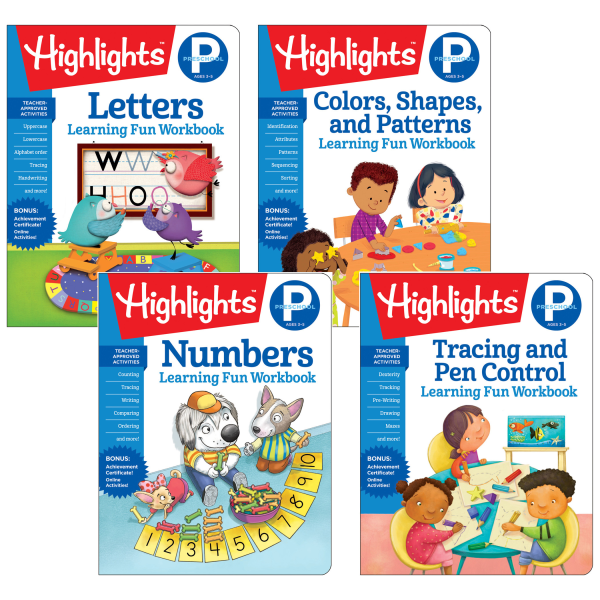
    2. Highlights� Preschool Learning Fun Workbooks, Set Of 4 Workbooks

    Highlights� Preschool Learning Fun Workbooks, Set Of 4 Workbooks

    Highlights� Preschool Learning Fun Workbooks, Set Of 4 Workbooks

    by Office Depot and OfficeMax

    $19.96

    Check Price →

    3. Did That Actually Happen?

    Did That Actually Happen?

    Did That Actually Happen?

    by eCampus.com

    $12.94

    Check Price →