Tag: educational play

  • How Mazes Improve Problem-Solving Skills In Children

    How Mazes Improve Problem-Solving Skills In Children

    Have you ever watched a child sit completely motionless, brow furrowed, pencil hovering over a piece of paper, only to suddenly gasp and cheer when they find the exit? There is something incredibly captivating about a good maze. It isn’t just a way to kill time on a long car ride; it is a miniature training ground for the brain. While it looks like simple play, what is happening inside that little head is actually a complex series of cognitive maneuvers.

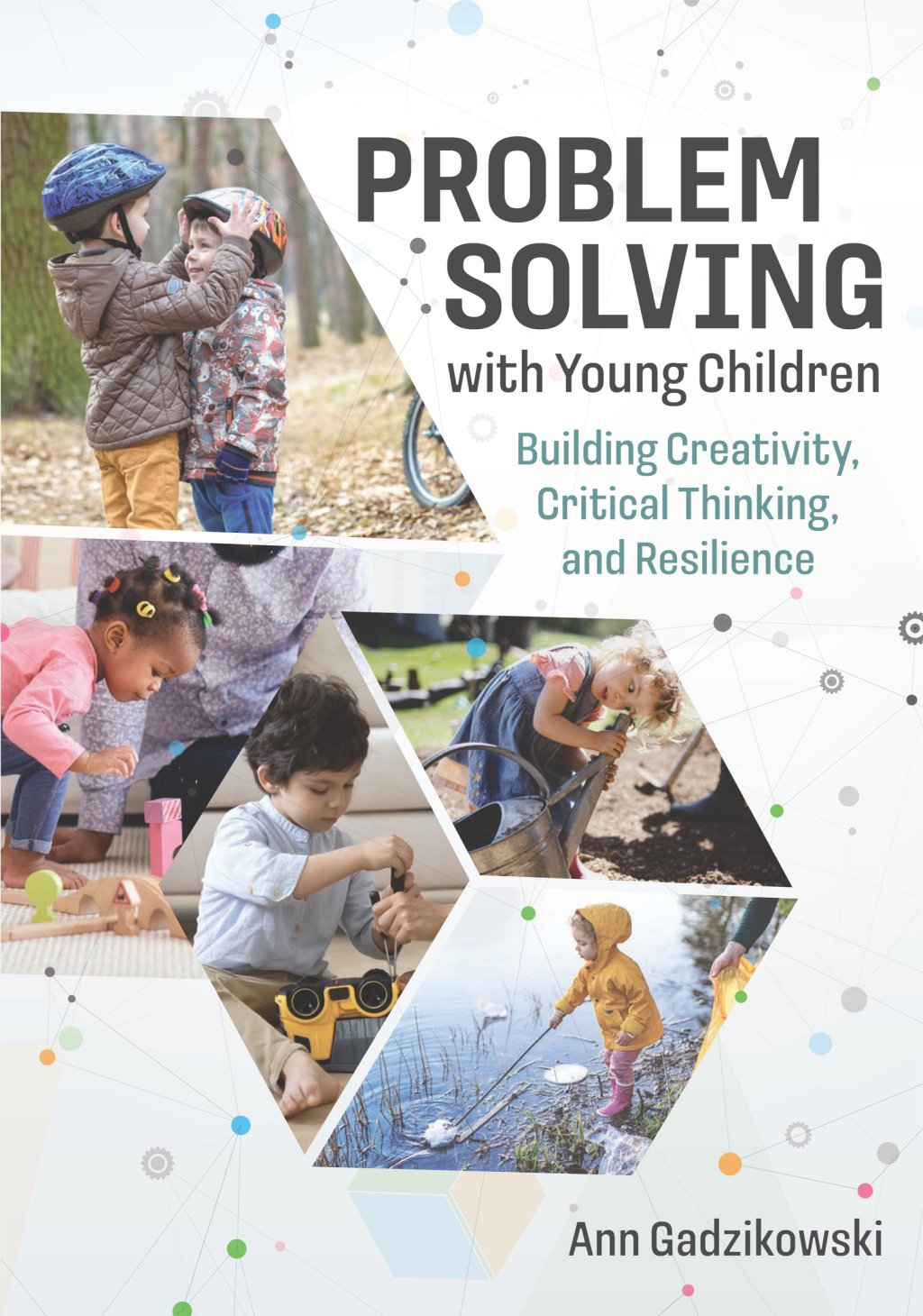
    Problem Solving with Young Children (eBook Rental)

    As parents, we are always looking for ways to help our kids develop critical thinking without making them feel like they are doing “work.” Mazes are one of’ those rare gems. They provide a natural way to practice trial and error, planning, and persistence. In this guide, we will look at how these winding paths help shape a child’s ability to tackle real-world challenges.

    The cognitive mechanics of navigating a path

    When a child enters a maze, they aren’t just moving a pencil or a body through a corridor. They are performing several high-level mental tasks simultaneously. First, they have to process visual information to identify walls and openings. This requires spatial awareness—the ability to understand how objects relate to one another in space.

    Next comes the element of prediction. A child looks at a junction and thinks, “If I go left, will I hit a dead end?” This is the foundation of logical reasoning. They are essentially running mental simulations of different outcomes before committing to a physical move. This process builds the neural pathways responsible for strategic thinking, which is a skill that translates directly to math, science, and even social interactions later in life.

    Developing spatial reasoning and fine motor skills

    Beyond the logic, there is a physical component to mazes. For younger children working on paper mazes, the act of navigating narrow corridors requires significant hand-eye coordination. They have to control the pencil precisely to avoid hitting the “walls” of the printed lines. This strengthens the small muscles in the hands, which is vital for learning to write.

    For those playing with physical, 3D mazes or even large-scale garden mazes, the benefits expand. They are learning to navigate their own bodies through space, understanding depth, distance, and scale. This physical engagement helps ground their cognitive learning in real-world movement.

    Building resilience through trial and error

    One of the most underrated benefits of mazes is how they teach kids to handle failure. In a maze, hitting a dead end isn’t a disaster; it’s just a piece of information. It tells the child, “That path didn’t work, let’s try another.” This is the essence of the scientific method: forming a hypothesis, testing it, and adjusting based on the results.

    Learning that a mistake is not the end of the world is a huge developmental milestone. Many children struggle with perfectionism or get frustrated when they can’t get something right on the first try. Mazes provide a low-stakes environment where hitting a dead end is part of the fun. It fosters a growth mindset, teaching them that persistence is often more important than immediate success.

    Age-appropriate maze activities

    Not all mazes are created equal. To keep a child engaged and prevent frustration, it is helpful to match the difficulty to their developmental stage. Here is a quick breakdown of what to look for:

    • Toddlers (Ages 2-3): At this stage, focus on very simple paths with wide openings. You might even start with “sensory mazes” using tape on the floor. These are best for toddlers because they focus more on movement and basic direction (left, right, forward) rather than complex logic.
    • Preschoolers (Ages 4-5):: You can introduce paper mazes with more turns and perhaps a few dead ends. They are also ready for “obstacle course” style mazes in the living room using pillows and cushions.
    • Early Elementary (Ages 6-8): This is the sweet spot for complex paper mazes and 3D wooden puzzles. They can handle more intricate paths and are starting to use more advanced planning skills.
    • Older Children (Ages 9+):: For older kids, look for mazes that involve multiple layers, such as 3D mazes or even digital logic puzzles that require them to manage multiple variables at once.

    Indoor vs outdoor maze ideas

    Depending on the weather and your space, you can vary the type of mazes you present. This keeps the learning fresh and prevents boredom.

    Indoor options are great for rainy days and are incredibly budget friendly. You can create a “tape maze” on the carpet using painter’s tape, or use household items like chairs and blankets to create a tunnel system. These indoor setups are excellent for developing gross motor skills and spatial awareness in a controlled environment.

    Outdoor mazes offer a different kind of stimulation. If you have a backyard, you can use sticks, stones, or even large garden pots to create a path. Outdoor play often involves more sensory input—feeling the wind, hearing birds, and navigating uneven terrain—which adds another layer to their cognitive development. It’s a great way to combine physical exercise with mental exercise.

    Safety considerations for maze play

    While mazes are generally very safe, there are a few things to keep in mind, especially when creating DIY versions at home. If you are building an indoor obstacle maze, ensure that the “walls” (like cushions or chairs) are stable and won’t fall on a child. Make sure the pathways are wide enough so they don’t trip or get stuck.

    When playing outdoors, always supervise younger children, especially if the maze involves uneven ground or natural elements like sticks. The goal is to challenge them, not to create a tripping hazard. Always ensure that the “exit” of your maze is clearly visible or easily reachable so a child never feels truly trapped or overwhelmed.

    Summary of developmental benefits

    To recap, why should you keep a stash of mazes handy? Here is a quick look at what your child is gaining:

    1. Improved Focus: Navigating a path requires sustained attention.
    2. Logical Reasoning: Testing paths and predicting outcomes.
    3. Fine Motor Control: Precise movements for paper-based mazes.
    4. Emotional Regulation: Learning to manage frustration when hitting dead ends.
    5. Spatial Awareness: Understanding their position in relation to boundaries.

    Next time you see your child staring intensely at a maze, remember that they aren’t just playing. They are building the mental toolkit they will use for the rest of their lives. Whether it is a simple drawing on a napkin or a massive backyard adventure, the winding paths are leading them toward much bigger breakthroughs.

    Want to boost your child’s brainpower this weekend? Grab some painter’s tape and turn your hallway into a labyrinth, or head to the library to find a new book of puzzles. It is a simple, fun, and effective way to support their growth!

  • Diy Learning Games Parents Can Make At Home

    Diy Learning Games Parents Can Make At Home

    I remember standing in my kitchen last Tuesday, looking at a pile of empty egg cartons and mismatched socks, feeling completely overwhelmed by the afternoon slump. My youngest was climbing the bookshelves, and my eldest was staring blankly at a tablet screen. It felt like I needed a miracle to redirect that energy into something productive without spending a fortune at the toy store.

    Learning Games

    Then it hit me: I already had everything I needed right in my pantry and recycling bin. You don’t need expensive subscription boxes or high-tech gadgets to keep your kids engaged and learning. Some of the most effective educational tools are actually the most budget friendly options you can find around the house. Making your own games isn’t just about saving money; it’s about the joy of creating something together and tailoring the challenge to exactly where your child is developmentally.

    Why DIY games are a win for everyone

    When you build a game from scratch, you are doing more than just passing the time. You are acting as a designer. Unlike a store-bought toy that has one fixed way to play, a cardboard box can be a spaceship, a grocery store, or a math laboratory depending on the day.

    These activities help develop several key areas:

    • Cognitive skills: Sorting, counting, and problem-solving.
    • Fine motor skills: Using tweezers, peeling stickers, or threading string.
    • Emotional regulation: Learning how to follow rules and handle winning or losing.
    • Creativity: Using imagination to transform mundane objects into something new.

    Games for the tiny explorers (Ages 1-3)

    For the littlest ones, learning is all about sensory input and cause-and-effect. At this age, safety is the top priority. Always ensure that any small parts, like buttons or beads, are large enough to avoid choking hazards. Always supervise playtime closely.

    The Sensory Treasure Bin

    This is perhaps the best for toddlers who are obsessed with textures. Grab a large plastic container and fill it with uncooked rice, dried beans, or even smooth river stones. Hide small, safe objects like large plastic animals or colorful rings inside.

    As they dig through the bin, they are working on tactile processing and hand-eye coordination. It is a quiet, focused activity that can keep a toddler occupied while you prep dinner.

    Sticky Note Scavenger Hunt

    Grab a pack of colorful sticky notes and write simple shapes or colors on them. Stick them around the living room at eye level for your toddler. Ask them to “find the blue square” or “find the yellow circle.” This simple game builds vocabulary and color recognition without requiring any complex setup.

    Active learning for preschoolers (Ages 3-5)

    Preschoolers have a lot of energy and a growing curiosity about how the world works. This is the perfect age to introduce games that involve movement and basic logic.

    The Alphabet Soup Spoon Race

    You will need a large bowl, some plastic letters (or paper scraps with letters written on them), and a spoon. Place the letters in the “soup” and have your child use the spoon to transfer each letter to a separate bowl, calling out the name of the letter as they do it.

    This builds literacy skills and strengthens the small muscles in their hands, which is great preparation for writing.

    Indoor vs Outdoor Obstacle Course

    Depending on the weather, you can take this game anywhere. If you are stuck inside, use painter’s tape on the floor to create “balance beams” or use pillows as “lava stones.” If you have access to the backyard, use sidewalk chalk to draw jumping targets or paths to follow.

    This type of play is excellent for gross motor development and helps children learn to follow multi-step directions.

    Challenge seekers (Ages 6-8)

    Once kids enter school age, they crave a bit of competition and more complex rules. They are ready for math, spelling, and strategic thinking.

    Cardboard Math Bingo

    All you need is some old cereal boxes and a marker. Cut the cardboard into squares and write different numbers or simple addition problems (like 2+3) in each square. Create “calling cards” with the answers. As you pull a card, they mark their board.

    This turns a potentially dry subject like arithmetic into a high-stakes race to get five in a row.

    The Great Sock Sorting Race

    If you have a mountain of clean laundry, turn it into a game. Create a “sorting station” with different piles. Challenge your child to sort the socks by color, pattern, or size as fast as they can. It sounds simple, but it teaches categorization and pattern recognition while helping you tackle a household chore.

    Safety reminders for DIY play

    While DIY games are wonderful, a quick safety check is essential. Before you start, look over your materials. Avoid using anything with sharp edges, broken plastic, or small magnets. If you are using items like dried beans or rice for sensory bins, ensure your child is old enough to play with them without the risk of eating them. Always check for any toxic coatings on recycled materials like old magazines or painted wood.

    Making the most of your materials

    You don’t need to go out and buy new supplies to make these happen. The beauty of this approach is that it uses what you already have. Keep a “craft bin” in a reachable spot containing:

    • Empty toilet paper rolls
    • Egg cartons
    • Old magazines
    • Buttons and scraps of fabric
    • Painter’s tape

    By keeping these scraps organized, you are always just five minutes away from a new learning adventure. Next time you feel the afternoon boredom creeping in, skip the screen and grab a cardboard box instead. Your kids might just surprise you with how much they love it.

    Want more easy, low-prep activity ideas? Sign up for our weekly newsletter to get fresh, creative inspiration delivered straight to your inbox every Monday!

    Our Top Picks

    Products we recommend:

    1. Dessert Circus: Extraordinary Desserts You Can Make At Home

    Dessert Circus: Extraordinary Desserts You Can Make At Home

    Dessert Circus: Extraordinary Desserts You Can Make At Home

    by Indigo Books & Music

    $35.00

    Check Price →

    2. Learning at Home

    Learning at Home

    Learning at Home

    by BiggerBooks.com

    $107.69

    Check Price →

    3. Learning at Home

    Learning at Home

    Learning at Home

    by Knetbooks.com

    $109.34

    Check Price →