Setting Your New Best Friend Up for Success
Welcome to the most exciting chapter of your life! Bringing a puppy home is a whirlwind of emotions, ranging from pure joy to a bit of overwhelming panic. You are about to embark on a journey filled with wagging tails, drooling cuddles, and endless learning curves. However, before you can enjoy those first sweet moments, there is one crucial step that often gets pushed to the back burner: preparing your home with the right supplies. The difference between a smooth transition and a chaotic few weeks often lies in what is already stocked in your closet and under your sink.
It is easy to feel pressured to buy every trendy item seen on social media, but the truth is, a happy puppy requires practical essentials rather than just aesthetic gadgets. As a new dog owner, your goal should be to create an environment where your pup feels safe, comfortable, and ready to learn. This checklist is designed to help you navigate the aisles of the pet store with confidence, ensuring you have everything needed for those first few critical weeks. Let’s dive into the must-haves that will make your new best friend thrive.
The Foundation: Feeding, Water, and Comfort
Your puppy’s physical health starts with their nutrition and comfort. Before they arrive, you need a reliable system in place to handle their growing appetites and sleeping needs. Start by selecting a high-quality food specifically formulated for puppies of their breed size. Puppies grow at different rates, so consulting your vet about the specific kibble or wet food brand is always wise. Don’t forget to stock up on treats; these are invaluable for positive reinforcement training later on. Look for treat sizes that match the size of your puppy’s mouth to avoid choking hazards.
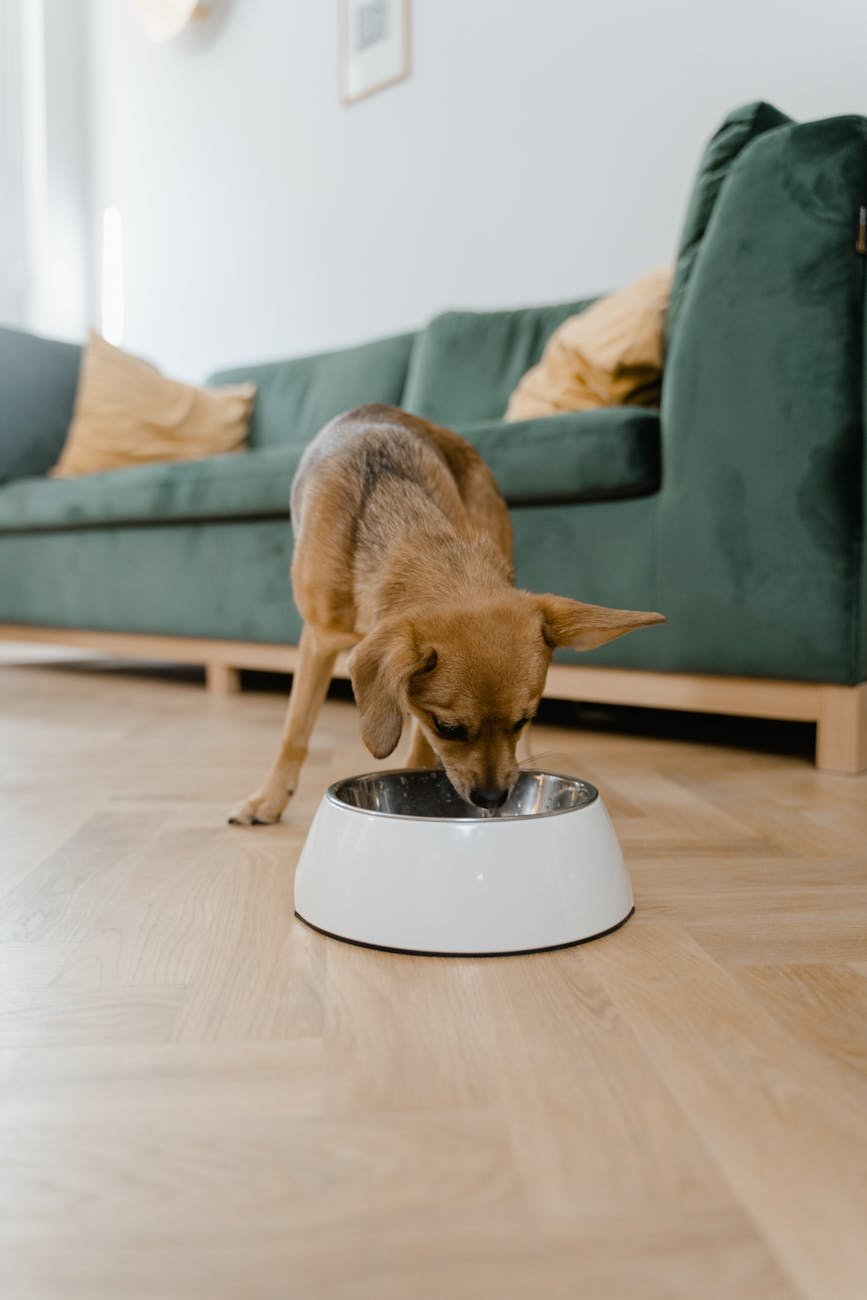
Equally important are their feeding tools. Invest in a sturdy, non-slip bowl made of stainless steel or ceramic. Plastic bowls can sometimes harbor bacteria and cause skin irritations around the mouth, so it is best to avoid them if you want to keep your pup healthy. You will also need two large buckets for water, as puppies drink frequently throughout the day.
Next, consider their bed. A puppy does not need a massive king-sized orthopedic mattress immediately; they need something cozy that fits their current size while allowing room to grow. A washable, padded crate mat or a small dog bed with removable covers is perfect for this stage. The bed should be placed in a quiet corner of the house, away from high-traffic areas where they might feel overwhelmed. Remember, your crate will likely serve as their safe haven, so make it comfortable with a soft blanket but avoid overstuffing it, which can trap heat.
Hygiene Heroes: Potty Training and Cleaning
Potty training is one of the biggest challenges new owners face, and having the right cleaning supplies on hand before your puppy has an accident is half the battle. Accidents happen, and you want to be prepared without panic. Stock your bathroom cabinet with enzymatic cleaners specifically designed for pet urine. Regular household cleaners often mask the scent, which can confuse a puppy into having accidents in the same spot again. Enzymatic cleaners break down the organic matter completely, removing the smell that attracts them back.
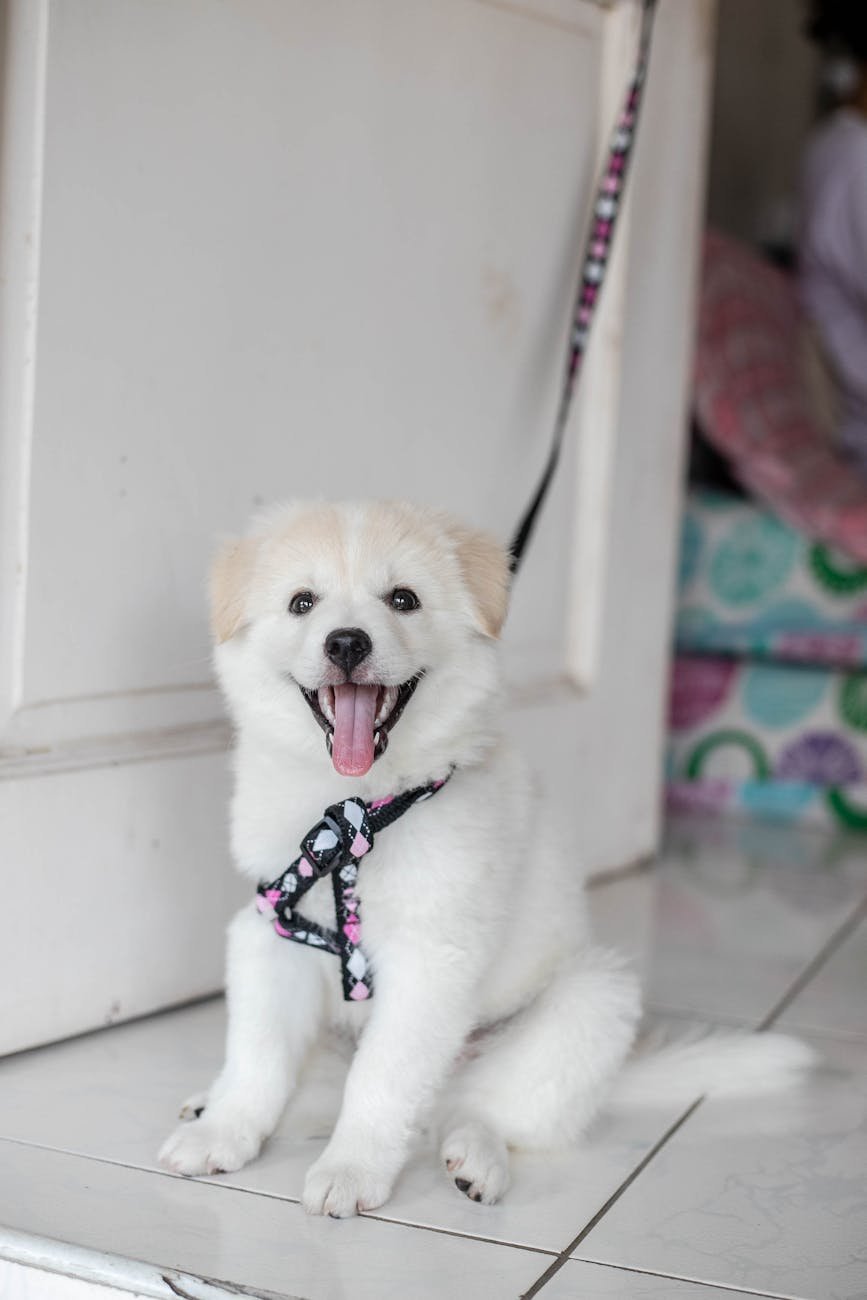
Alongside cleaning agents, you need absorbent materials to manage those inevitable mishaps. Old towels, pee pads, and disposable poop bags are essential. If you plan on housebreaking your puppy outdoors, a leash and a harness are non-negotiable. Many puppies struggle with collars during this stage because they have not learned how to pull politely; a well-fitted harness provides better control and protects their delicate trachea. Additionally, keep a stash of baby wipes or dog-specific grooming wipes in the kitchen for quick cleanups after playtime.
Dental care should also be introduced early. Even before you start brushing their teeth regularly, have some dental chews or chew toys on hand. Chewing is how puppies explore the world, and providing appropriate items helps protect your furniture while promoting healthy gums. Just ensure these toys are sized correctly for their jaw strength to prevent them from swallowing small parts.
Mental Stimulation: Toys and Training Aids
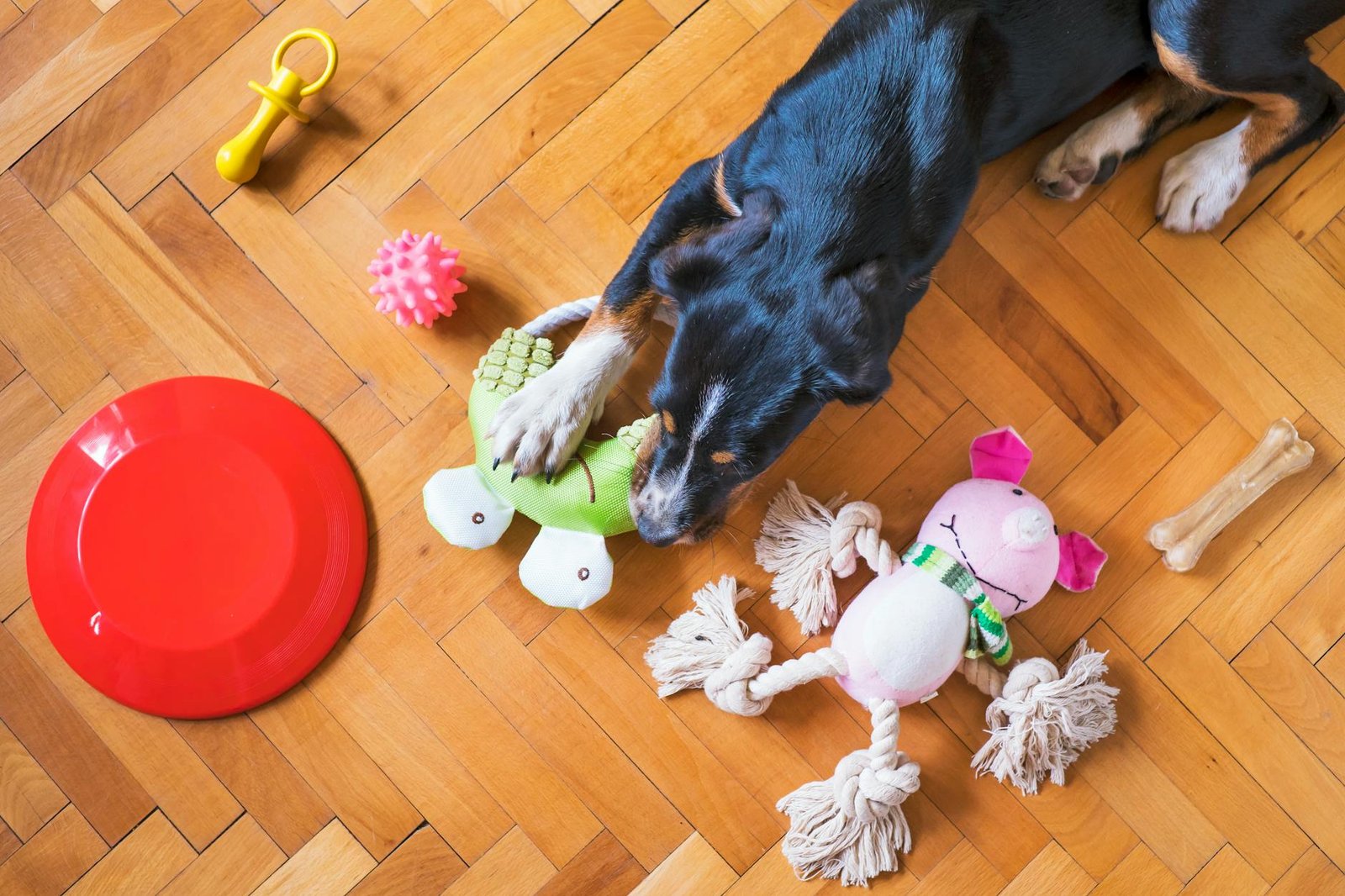
A bored puppy is a destructive puppy. To keep their mind sharp and their energy channeled positively, you need a variety of toys that cater to different instincts. Start with durable chew toys made of tough rubber or nylon. These satisfy their natural urge to gnaw on things and help clean their teeth simultaneously. Avoid plush toys with easily removable stuffing, as puppies will quickly turn them into stuffing machines.
Incorporate puzzle feeders into your routine early on. These slow down eating and provide mental stimulation, preventing boredom while they wait for their next meal. Simple snuffle mats or treat-dispensing balls can turn mealtime into an exciting game of hide-and-seek. Interactive toys that move when tossed are also great for building a bond during play sessions.
For training purposes, you cannot underestimate the value of high-value treats and clickers. A clicker creates a clear communication channel between you and your puppy, marking exact behaviors you want to reinforce. Keep these tools accessible so you can practice commands like “sit,” “stay,” and “come” from day one. Consistency is key, and having the right tools makes the learning process much smoother for both of you.
Safety First: Identification and Grooming
Before your puppy even steps out the door, safety must be your top priority. If your new best friend gets lost, they need to be identifiable. A collar with an up-to-date ID tag containing your phone number is essential. However, technology has advanced significantly, making microchipping a smart investment. Ensure this is done before you leave the shelter or breeder, and register the chip with a reputable database. This adds a layer of security that cannot be overstated.
Grooming basics should also be established early to acclimate your puppy to handling their body. Get a soft-bristle brush suitable for their coat type, as well as nail clippers designed for dogs. Trimming nails regularly prevents them from getting too long and causing pain or injury. You will also need dog shampoo, which is pH-balanced for canine skin, to keep their coat clean without causing irritation. Finally, pack a first-aid kit that includes gauze, antiseptic wipes, and tweezers for removing ticks or splinters.
Conclusion
Preparing your home with these essential supplies does more than just set you up for convenience; it sends a powerful message of love and stability to your new companion. By having food, comfortable bedding, cleaning products, toys, and safety gear ready, you are removing stress from the equation and allowing yourself to focus on building a strong bond. Remember that every puppy is unique, so feel free to adjust this checklist based on your specific dog’s needs and personality. Take a deep breath, trust in your ability to learn together, and get ready for an adventure filled with unconditional love. Your waiting puppy is counting on you, and with the right foundation laid, you are ready to welcome them into your family with open arms.