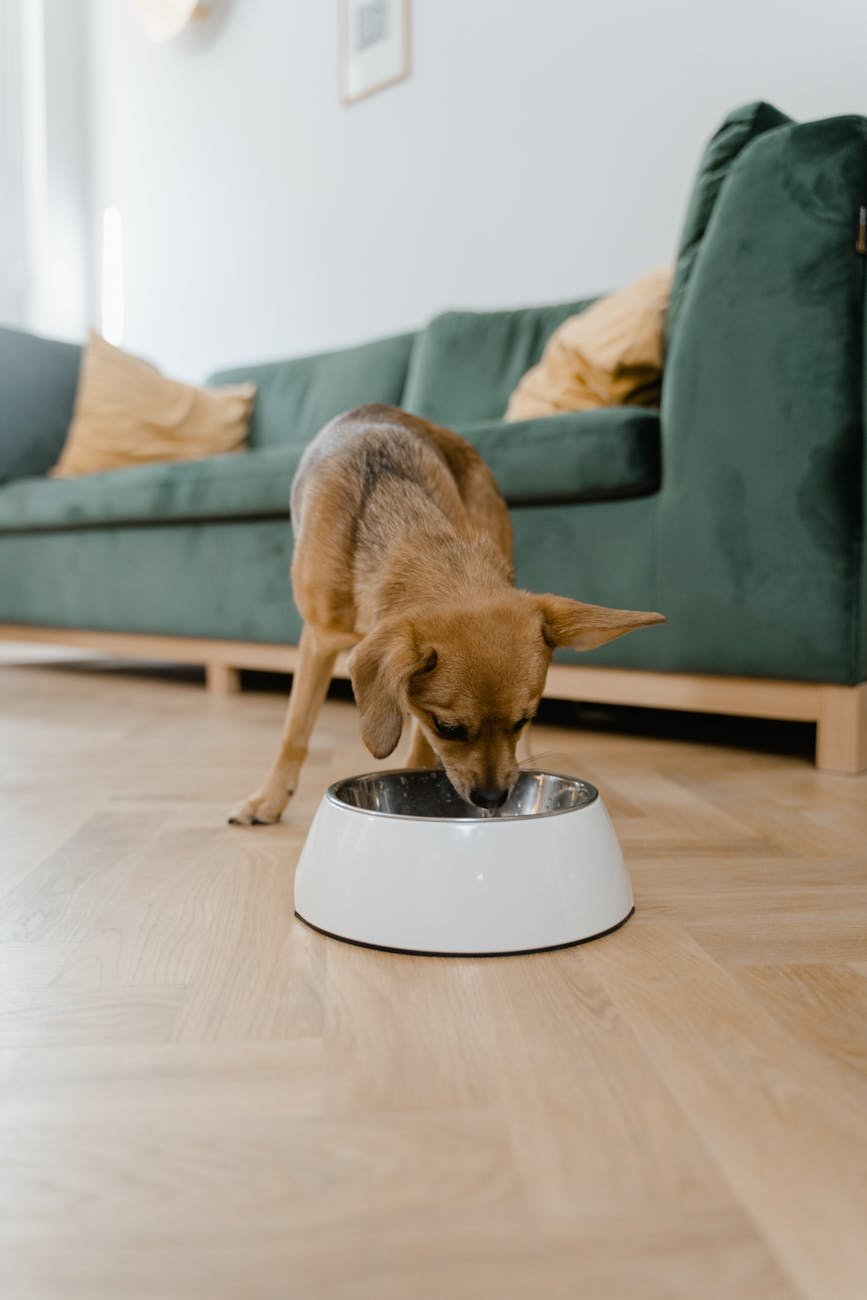
Why Small Breeds Need Specialized Nutrition
We’ve all seen it happen: you’re at the grocery store, scrolling through the aisles of kibble, and suddenly you realize your pint-sized companion doesn’t fit into the standard feeding guidelines. Small breeds like Chihuahuas, Pomeranians, Dachshunds, and Toy Spaniels have unique nutritional needs that differ significantly from their larger cousins or adult medium-to-large dogs. The most common mistake owners make is simply downsizing the portion of large-breed food they are currently feeding. While this might seem logical on the surface, it often leads to serious health issues down the road.
The primary reason small dogs require specific diets revolves around their metabolism and body structure. Because they have less total mass, their metabolic rate is faster relative to their size compared to larger dogs. This means they need nutrient-dense food that can be digested efficiently without overloading their system. Furthermore, small breeds are prone to dental issues and joint problems early in life. If you feed them a diet low in calcium or phosphorus balance, or one that lacks the necessary support for growing teeth, you might see significant issues before they even reach full maturity.
Another critical factor is energy density. Small dogs need high-quality protein to maintain lean muscle mass because their bodies are more susceptible to rapid weight loss if their food isn’t calorically dense enough. However, we must be careful not to overfeed them with low-quality fillers that cause obesity. Obesity in small breeds is particularly dangerous because it exacerbates joint strain and can lead to heart disease much faster than in larger dogs. By choosing the right specialized food, you are essentially setting your furry friend up for a longer, happier life free from chronic pain or preventable ailments.
Essential Nutrients to Look For on the Label
When you are shopping for kibble specifically tailored to small breeds, there are specific ingredients and nutrient profiles that should be front and center of your attention. The first thing to check is the protein source. High-quality dog food for small breeds should list a named meat as the first ingredient, such as chicken, turkey, salmon, or lamb. Avoid products where “meat by-products” or generic terms like “animal meal” are listed first, as these often indicate lower nutritional value and fillers that your small dog won’t get enough energy from.
Dental health is another major consideration for tiny dogs. Since their mouths are already smaller, plaque buildup can happen quickly if the food doesn’t help clean their teeth. Look for kibble formulated with a specific kibble size designed to fit comfortably in a small mouth but still be tough enough to provide some mechanical abrasion against tartar. Many premium brands now include natural enzymes or added vitamins like Vitamin A and Zinc, which support gum health and reduce inflammation in the gums.
Joint support is often overlooked until it’s too late, but for small breeds with long backs like Dachshunds, or those prone to patellar luxation (knee dislocation), this is vital. Look for foods fortified with Glucosamine and Chondroitin. These are the building blocks of cartilage and help maintain smooth joint movement. Additionally, Omega-3 fatty acids, specifically EPA and DHA derived from fish oil, are crucial for reducing systemic inflammation and keeping their shiny coats soft and manageable. Always scan the ingredient list to ensure there are no excessive amounts of corn, wheat, or soy, which can cause allergic reactions or digestive upset in sensitive small dogs.
How to Identify Quality Ingredients
Finding the right food goes beyond just reading the front of the bag; you need to dig into the back label to understand what is truly going into your pet’s body. A hallmark of quality dog food for small breeds is the inclusion of whole foods rather than processed meals. For instance, look for freeze-dried or fresh meat inclusions alongside the dry kibble. These additions not only boost the protein content but also provide essential fats that support brain function and skin health.
One specific detail to watch out for is the presence of artificial preservatives like BHA, BHT, or ethoxyquin. These chemicals are sometimes used to extend shelf life, but they can be harsh on a small dog’s sensitive digestive system and immune function. Instead, opt for foods preserved with natural antioxidants like mixed tocopherols (Vitamin E) or rosemary extract. These ingredients fight off oxidation in the food while keeping it safe for your pup.
Transparency is also key. The best brands will clearly state their sourcing methods and manufacturing processes. If a brand hides behind vague terms like “natural flavors” without specifying what they are, it might be time to look elsewhere. You want to know exactly where the chicken came from or why the fish oil is sourced sustainably. This level of transparency often correlates with higher overall quality control. Remember that your small dog’s stomach is smaller, meaning they process food faster and may react more quickly to poor-quality ingredients. If you notice a change in stool consistency, energy levels, or coat shine after switching foods, trust your instincts and consult your veterinarian if symptoms persist.
Frequently Asked Questions About Small Breed Diets
Q: Can I just mix my current food with small breed kibble?
Yes, transitioning is often the best approach to avoid digestive upset. Start by mixing 25% new food with 75% old food for the first few days, then gradually increase the ratio of the new kibble over a week or two. This allows your dog’s gut flora to adjust to the new protein sources and fiber levels without causing diarrhea or vomiting.
Q: Is wet food better than dry kibble for small dogs?
Wet food has its place, especially for senior small breeds that may have dental pain making chewing difficult, or for dogs that need extra hydration. However, many small breed owners prefer high-quality dry kibble because it helps clean teeth and is easier to store. The best strategy is often a combination of both, ensuring your dog gets the texture they like while maintaining a balanced diet rich in nutrients.
Q: How much should I feed my small dog?
Portion control is critical. Always follow the feeding guide on the package as a starting point, but adjust based on your dog’s activity level and body condition score. A good rule of thumb is to feel their ribs; you should be able to easily feel them without seeing them. If your small dog is gaining weight too quickly despite being fed measured amounts, you may need to switch to a lower-calorie formula or reduce portions slightly.
Conclusion
Choosing the best dog food for your small breed is one of the most impactful decisions you can make as a pet owner. It requires looking past the cute packaging and diving deep into ingredient lists, nutritional profiles, and specific health needs unique to tiny dogs. By prioritizing high-quality proteins, dental-friendly kibble sizes, and joint-supporting nutrients, you are giving your companion the foundation they need for a vibrant life. Remember that every dog is an individual, so don’t hesitate to consult with your veterinarian to tailor a diet plan that fits your specific pup’s lifestyle and health history. With the right nutrition, your small furry friend will thrive, full of energy and joy, ready to explore the world alongside you.