Choosing Your First Companion: Family-Friendly Dog Breeds for New Owners
Welcome to the wonderful (and sometimes chaotic) world of dog ownership! If you are a first-time owner considering adding a furry family member to your home, the excitement is palpable. However, with that excitement comes a responsibility to choose a breed or mix that truly fits your lifestyle, energy level, and household dynamics. For families with children or those new to training dogs, selecting the right companion is crucial for everyone’s happiness and safety. The good news is that many breeds are naturally patient, gentle, and eager to please, making them perfect candidates for your first dog.
Before diving into specific breeds, it is important to remember that every individual dog is unique. A well-bred Golden Retriever might have a different personality than one from a less reputable source. Nevertheless, certain breeds consistently demonstrate traits like low aggression, high intelligence, and a love for people. This guide will walk you through some of the top family-friendly options, offering practical tips to help you make an informed decision that brings years of joy to your home.
The Gentle Giants: Best Large Breeds for Families
If your home has plenty of space and you enjoy outdoor activities, a large breed might be the perfect fit. These dogs often have soft, patient dispositions that make them excellent playmates for children. Their size can also provide a sense of security around the house.
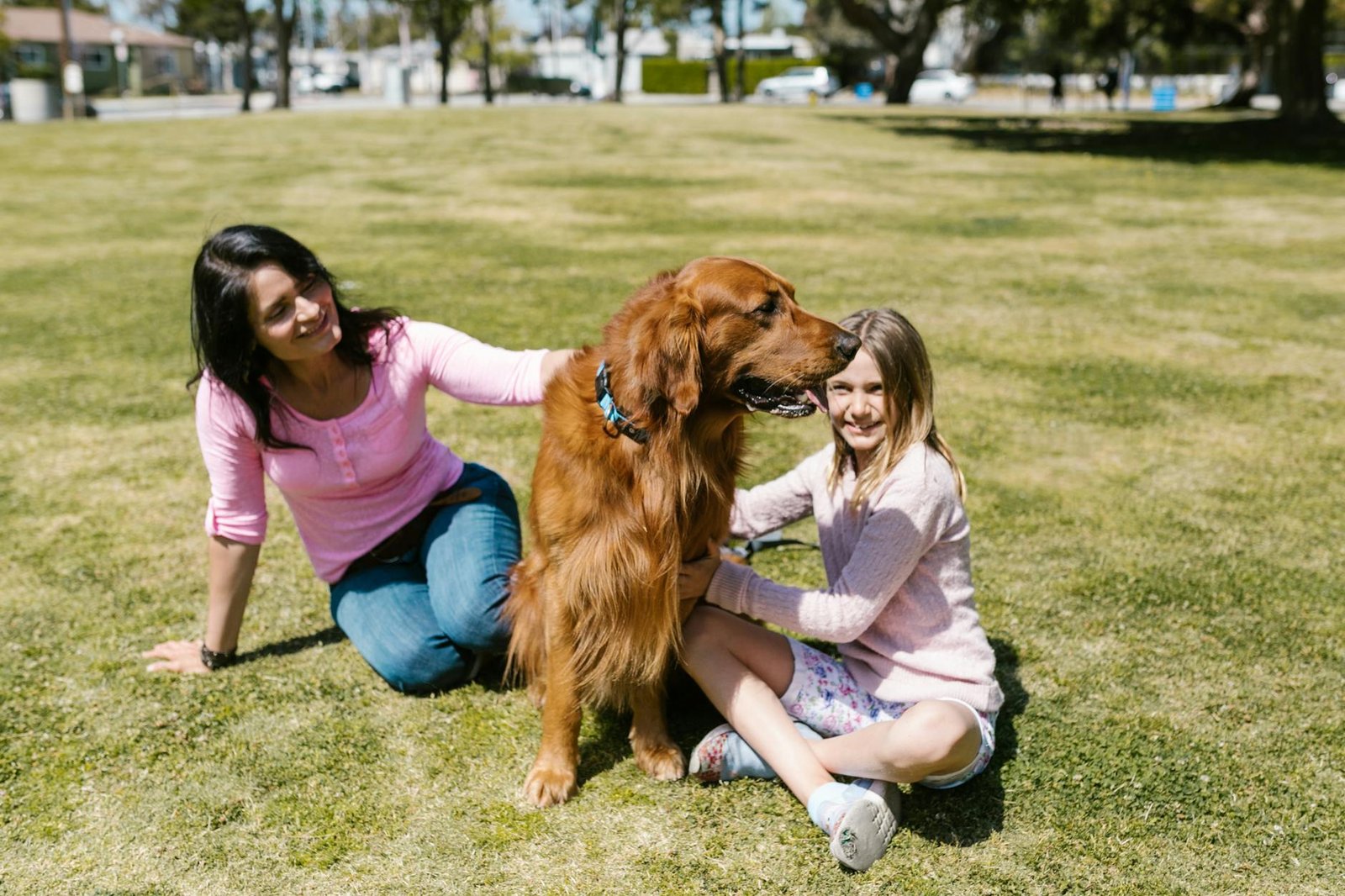
- Golden Retrievers: Often cited as the quintessential family dog, Goldens are renowned for their friendly temperament and intelligence. They are eager to learn, get along well with kids and other pets, and possess a gentle mouth that is perfect for play. However, they do require regular exercise and grooming due to their thick double coats.
- Newfoundlands: Known affectionately as “gentle giants,” Newfoundlands are massive dogs with incredibly soft hearts. They are natural swimmers and have been known to save lives in water. Their size can be intimidating, but they are famously gentle with children and often act as protective guardians without being aggressive.
- Labrador Retrievers: Closely related to Golden Retrievers, Labs share similar traits: high energy, loyalty, and a playful spirit. They adapt well to various living situations and are known for their patience. Just like Goldens, they shed heavily, so be prepared for dog hair everywhere.
While these breeds are wonderful, potential owners should be aware that large dogs often need more space and can be prone to joint issues if over-exercised while growing up. Always source your puppy from a responsible breeder who prioritizes health testing to ensure a long, healthy life for your new companion.
The Sturdy Companions: Ideal Medium-Sized Breeds
For apartments or houses with moderate yard space, medium-sized breeds offer an excellent balance of energy, manageability, and affection. These dogs are often easier to handle for first-time owners due to their size and trainability.
- Bulldogs (English and French): Despite their tough-looking exterior, Bulldogs are surprisingly calm, courageous, and friendly. They are not high-energy dogs; they prefer short bursts of play followed by long naps. This makes them ideal for families with busy schedules or children who need a calm playmate rather than a hyperactive one.
- Basset Hounds: These low-to-the-ground hounds are sweet-natured, patient, and great with kids. While they may follow their nose on scents, they generally have a gentle demeanor. Their short legs mean they are less likely to knock over small children during play.
- Poodles (Standard and Miniature): Do not let the name fool you; Poodles are highly intelligent and active. They are hypoallergenic, making them a great choice for families with allergies. Their curly coats require regular grooming, but their minds are sharp enough to learn complex commands quickly.
Medium breeds usually strike a sweet spot regarding cost of food and veterinary care compared to giant breeds, while still providing plenty of love and companionship.
The Compact Cuddlers: Small Breeds for Smaller Homes
Living in an apartment or wanting a lap dog that can keep up with toddlers? Small breeds have proven themselves to be tough little bundles of joy. Their size makes them easier to manage indoors, and many possess surprising strength and loyalty.
- Beagles: Famous for their sense of smell and friendly face, Beagles are merry, curious, and good-natured. They get along well with other dogs and children, though their curiosity can sometimes lead them into trouble if not supervised. They are vocal hunters, so be prepared for occasional barking.
- Shih Tzus: Bred as companion dogs for royalty, Shih Tzus are affectionate, gentle, and adaptable. They thrive on human interaction and make wonderful indoor pets. Their long hair requires daily brushing to prevent matting.
- Boxers: Although they can grow large, Boxers are often categorized here due to their playful, puppy-like energy that lasts into adulthood. They are incredibly loyal, protective of their family, and have a unique way of expressing love through physical affection.
When choosing a small breed, keep in mind that they can be prone to separation anxiety if left alone for long periods. Ensuring they receive enough mental stimulation and playtime is essential for their well-being.
Essential Tips for Success with Your New Dog
Selecting the right breed is only half the battle; raising a happy, well-behaved dog requires dedication and the right approach. Here are some actionable tips to ensure your transition is smooth:
- Start Training Early: Puppies learn fastest in their first few months. Enroll in a positive reinforcement-based puppy class. This not only teaches commands like “sit” and “stay” but also socializes your dog with other puppies and people, preventing future behavioral issues.
- Prioritize Socialization: Expose your dog to various sounds, surfaces, and environments early on. A well-socialized dog is confident and less likely to be fearful or aggressive in new situations.
- Establish Routine: Dogs thrive on consistency. Feed them at the same times each day, take them out for bathroom breaks on a schedule, and maintain regular vet check-ups. This structure provides security for your new pet.
- Invest in Quality Gear: Get a comfortable crate or bed, durable chew toys, and a secure leash. These items will make training easier and ensure your dog’s safety during exploration.
Remember, patience is key. Every dog learns at their own pace, and mistakes are part of the learning process for both you and your pet. Celebrate small victories, like a successful walk without pulling or a calm night’s sleep.
Conclusion: Embracing the Journey
Bringing a dog into your home is one of the most rewarding decisions a family can make. Whether you choose a gentle giant like a Newfoundland, a sturdy companion like a Bulldog, or a compact cuddler like a Beagle, the bond you form will be unforgettable. By researching breeds that match your lifestyle and committing to responsible ownership, you are setting your new four-legged friend up for a life of happiness and health.
As you embark on this journey, remember that there is no perfect dog, only the right dog for you and your family. Take your time visiting shelters and breeders, ask questions, and trust your heart when making your final choice. Welcome to the pack; your new best friend is waiting to show you the world through their eyes.