Choosing the Right Gear for Your Adventures
There is nothing quite like the bond between a human and their canine companion, especially when you are exploring new trails or simply enjoying a leisurely stroll down the neighborhood sidewalk. However, that special connection relies heavily on safety and comfort. A poorly fitted harness can cause chafing, restrict movement, or even lead to respiratory issues in some breeds, turning what should be a fun adventure into a stressful ordeal for your best friend. This is why investing time in selecting the perfect dog harness is non-negotiable for any serious walker or hiker.
The market is flooded with options ranging from basic nylon straps to rugged, padded gear designed for off-road terrain. But how do you cut through the noise to find the one that truly fits your dog’s unique needs? The answer lies in understanding your dog’s build, your specific activity level, and the type of control you require. Whether you are navigating a crowded city park or tackling a steep mountain trail, the right harness makes all the difference. Let’s dive into the essential factors you need to consider before making your purchase.
Understanding Harness Styles for Different Activities
Not all harnesses are created equal, and the style you choose should dictate how well your dog performs in different environments. For casual walks around the block, a standard front-clip or back-clip harness is often sufficient. These designs offer good control without adding unnecessary bulk. However, when you step onto uneven terrain for hiking, the dynamics change completely.
Front-clip harnesses are excellent for dogs who pull excessively on a leash. By attaching the leash to the front of the chest, this design gently steers the dog away from pulling, encouraging them to walk beside you rather than dragging you forward. This is particularly useful in busy areas where impulse control is key. On the other hand, back-clip harnesses are generally more comfortable for dogs who don’t pull and allow for a natural gait, which can be crucial during long hikes.
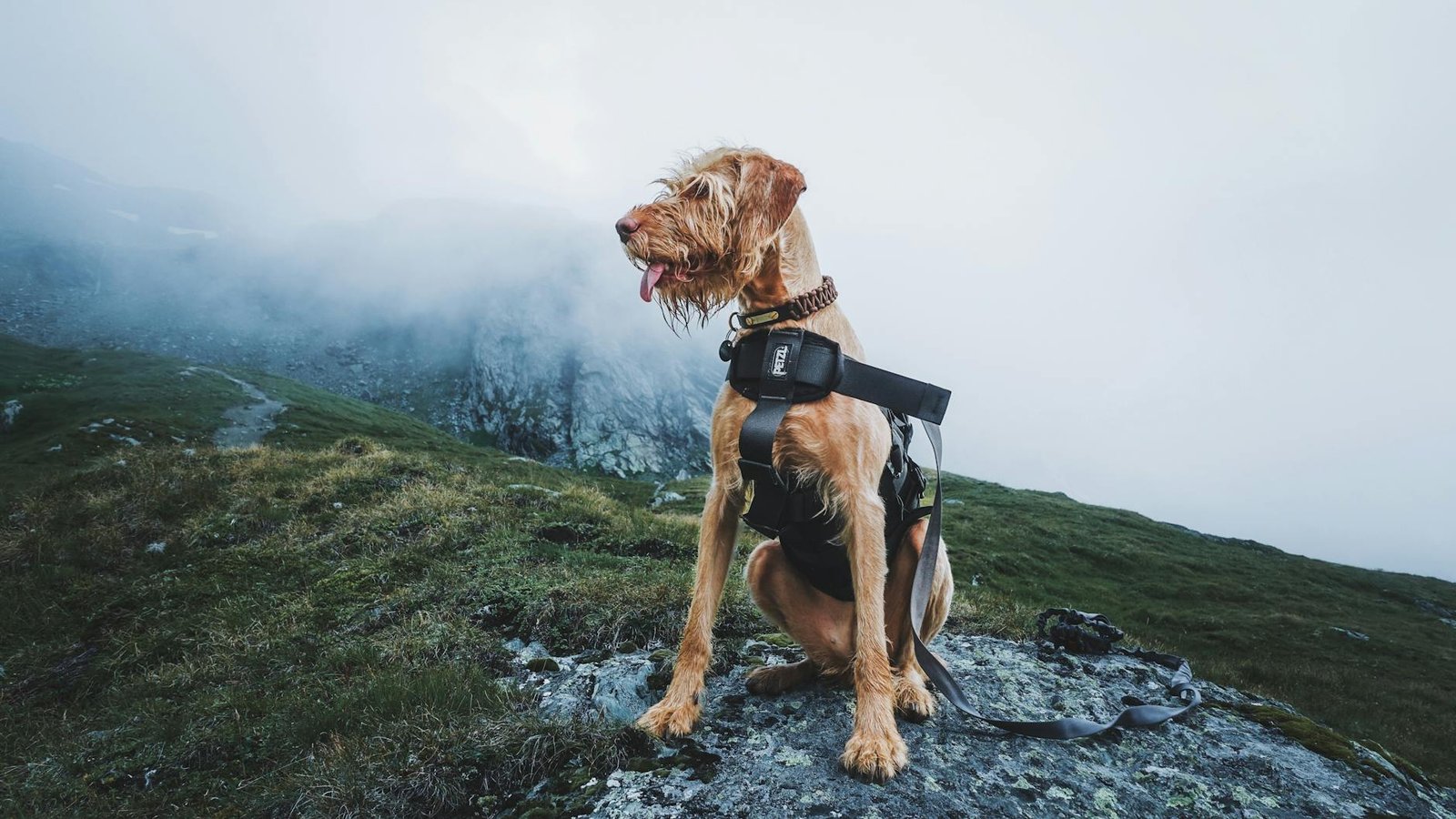
For rugged hiking trails, you will want to look at padded, full-coverage harnesses. These often feature a Y-shape that sits behind the shoulders rather than across them, ensuring freedom of movement for your dog’s front legs. Look for models with reinforced stitching and durable materials like nylon or neoprene that can withstand scratches from rocks and branches. Additionally, consider harnesses with a handle on the top of the back. This is a lifesaver if you encounter a slippery slope or need to lift a tired dog over an obstacle quickly.
Focusing on Fit and Comfort for Long Hikes
The most expensive harness in the world will fail your dog if it does not fit properly. A common mistake owners make is sizing up too much, thinking that extra room equals comfort. In reality, a loose harness can slip off during a scramble or become caught on tree branches, creating a dangerous situation. Conversely, a harness that is too tight can chafe the skin and restrict breathing.
To ensure a perfect fit, you must measure your dog’s chest circumference right behind the front legs and their neck size according to the manufacturer’s specific chart. Every brand has different sizing standards, so never rely solely on your dog’s weight. When trying on a harness, your dog should be able to move their shoulders freely without any restriction. You should also perform the “two-finger test”; you should be able to slide two fingers comfortably between the harness straps and your dog’s chest or neck. If you cannot fit two fingers, it is too tight. If you can fit a whole hand, it is likely too loose.
Comfort extends beyond just size. Look for wide straps that distribute pressure across a larger surface area of the dog’s body. Narrow straps dig into soft tissue quickly, especially when a dog is carrying weight or pulling against resistance. Soft, breathable mesh panels are also vital for dogs who get hot easily during physical activity. Additionally, ensure that all buckles and D-rings are robust and won’t snag on clothing or gear. Metal hardware should be covered or padded to prevent rubbing against the skin.
Safety Features That Matter on the Trail
When you venture off the beaten path, safety features become paramount. While a sturdy leash is essential, the harness itself plays a critical role in preventing accidents. One of the most overlooked but vital features is the presence of reflective strips or high-visibility colors. Trails often start early in the morning or end after dusk, and visibility is crucial for both your dog and yourself to be seen by other hikers or wildlife.
Another important consideration is the security of the attachment points. Ensure that the handle at the top of the harness is securely stitched and made of heavy-duty material. In an emergency, such as a sudden drop or an encounter with a frightened animal, you may need to grab your dog by this handle to lift them safely without putting strain on their neck or spine. Additionally, check for breakaway features if your dog tends to get spooked easily; while not ideal for hiking where control is needed, some designs allow the leash to detach under extreme force to prevent strangulation, though this is a specific safety debate depending on the scenario.
Durability is also a key safety factor. Look for harnesses that have been tested for strength and wear. A harness that frays after a few hikes can fail exactly when you need it most. Reputable brands often provide lifetime warranties or guarantees, which speaks volumes about the quality of their construction. Always inspect your harness before every trip, checking for loose threads, worn padding, or stiffening buckles. Regular maintenance ensures that the gear remains safe throughout its lifespan.
Practical Tips for Buying and Maintaining Your Harness
Before you head to the store or order online, take a moment to assess your dog’s specific challenges. If your dog has respiratory issues, avoid harnesses that sit high on the chest, as these can press against the ribcage. Instead, opt for designs that lower the strap placement. For large breeds prone to joint problems, prioritize wide padding and ergonomic shaping to reduce impact on the shoulders and elbows.
When shopping, try to buy from retailers that offer a return policy or in-store fitting services. It is always better to fit a harness with help from an expert who can observe your dog’s movement patterns. Once you have found the right gear, proper maintenance is just as important. Wash your harness regularly according to the manufacturer’s instructions to prevent dirt and bacteria from building up in the fabric, which can cause skin infections. Store it in a cool, dry place away from direct sunlight, which can degrade elastic components over time.
Finally, remember that training is part of the equation. Even the best harness will not work if your dog is not accustomed to wearing it. Start by letting them sniff and explore the new gear at home before putting it on for a walk. Use treats and praise to create positive associations. Gradually increase the duration they wear the harness, building up to full hiking sessions. A well-trained, well-fitted dog is the ultimate adventure companion.
Final Thoughts
Choosing the best dog harness for walking and hiking is about more than just picking a cute design; it is about prioritizing your dog’s safety, comfort, and physical health. By understanding the different styles available, focusing on precise fitting, and selecting gear with robust safety features, you can ensure that every journey together is a positive experience. Take the time to measure, try on, and research options that align with your specific needs. With the right harness in hand, you and your furry friend are ready to conquer any trail, from the local park loop to the highest mountain peaks.