Category: Dog Products

  • How to Choose the Right Dog Bed for Your Pet

    How to Choose the Right Dog Bed for Your Pet


    Understanding Your Dog’s Unique Sleep Needs

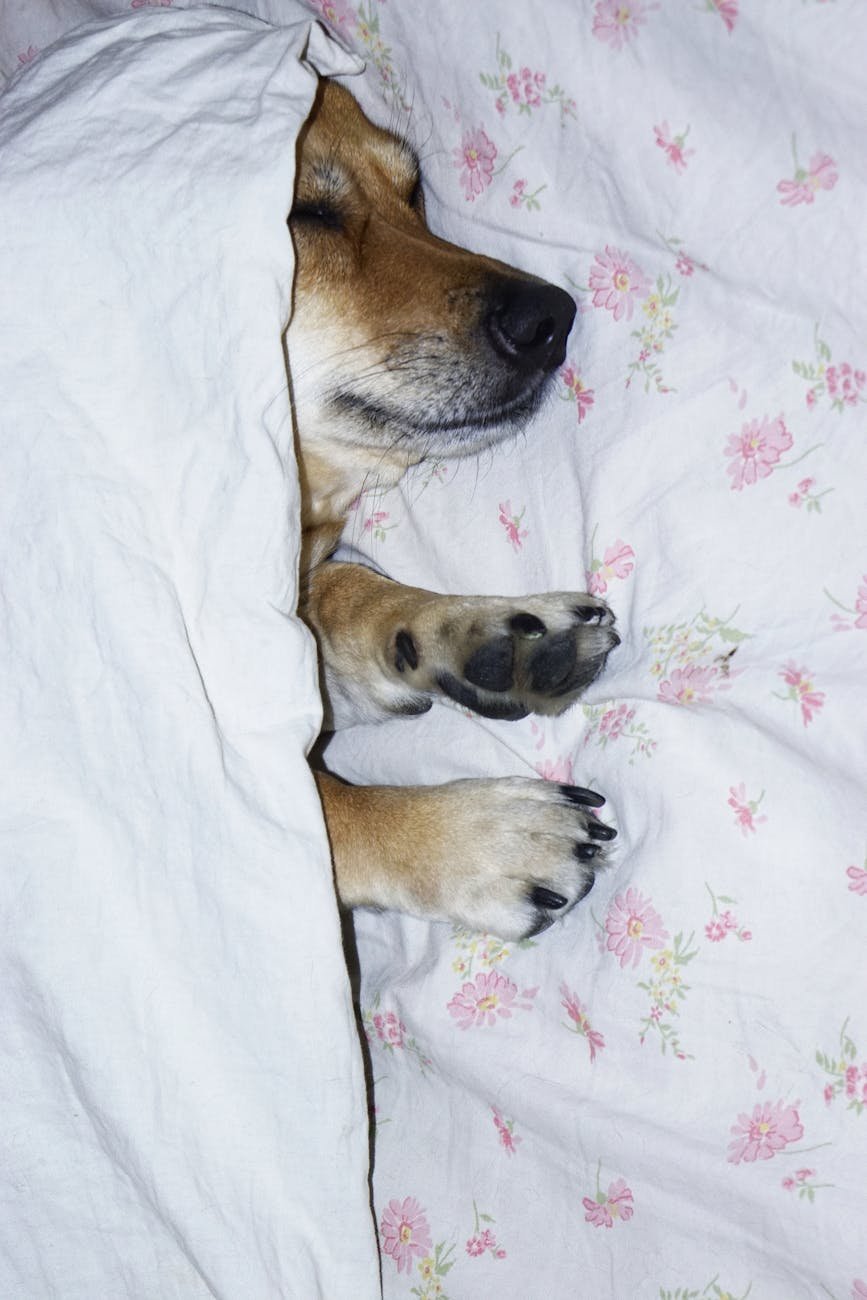
    We all want our furry family members to be happy and healthy, but have you ever stopped to think about where they spend a significant portion of their day? For most dogs, sleep is a non-negotiable priority. Just like humans, our canine companions go through different stages of sleep that are crucial for their physical recovery and mental well-being. However, the one-size-fits-all approach often fails when it comes to pet bedding. A cheap throw pillow might look cute on your sofa, but if it doesn’t provide proper orthopedic support or temperature regulation, your dog will likely reject it in favor of a cardboard box or the corner of the couch.

    The journey to finding the perfect resting spot begins with understanding what your specific breed and age require. A high-energy Border Collie needs something different from a senior Golden Retriever suffering from arthritis. By taking the time to assess your pet’s lifestyle, size, and health conditions, you can make an informed decision that transforms their sleeping area into a sanctuary of comfort.

    Assessing Size, Shape, and Joint Health

    The most common mistake owners make is buying a bed based solely on how it looks in the photo or how small they think their dog is. Here is the golden rule: measure your dog from nose to tail base while they are lying down. If you buy a bed that is too small, your pet will feel cramped and insecure, leading to restlessness. Conversely, if the bed is excessively large for a small dog, they may not feel secure enough to relax fully, especially if they have a tendency to cuddle with other pets or children.

    Consider the shape as well. Rectangular beds are versatile and allow dogs to curl up, sleep stretched out, or rest their heads on the edge. Round beds offer a sense of security for anxious dogs who prefer to curl into themselves, mimicking a den-like environment. However, for older dogs with hip dysplasia or arthritis, orthopedic memory foam is a game-changer. These beds contour to the body’s shape, distributing weight evenly and relieving pressure points on the joints. It is an investment in their mobility that often pays dividends in reduced pain and improved quality of life.

    Material Matters: Breathability and Washability

    The materials used in a dog bed are just as important as the internal cushioning. Dogs generate heat while sleeping, so breathability is key to preventing overheating. Look for beds with removable covers made from natural fabrics like cotton or bamboo blends, which allow air circulation and keep your pet cool during summer months. Synthetic microfiber is also a popular choice because it is durable and easy to clean, but ensure it has a moisture-wicking layer to keep them dry if they have accidents.

    Accidents happen, whether it is a house-training slip-up or a muddy paw track brought in from the backyard. This is why washability should be your second priority after comfort. Always choose a bed with a fully removable and machine-washable cover. Some high-quality beds even feature waterproof liners hidden beneath the fabric, protecting the foam core from moisture damage while keeping the dog dry and comfortable. Avoid beds with glued-on covers that cannot be removed; these will eventually trap odors and bacteria, leading to unsanitary conditions that can cause skin irritations.

    Durability and Durability for Different Lifestyles

    Not all dogs are created equal when it comes to destruction. If you have a puppy with teething issues or an adult dog with high chewing instincts, standard soft foam beds will not survive long. These pets need reinforced stitching, double-zippers, and chew-resistant outer fabrics like oxford cloth or canvas. You might also consider beds with removable inserts so that if the outer shell gets damaged, you can replace just the cushion rather than the entire unit.

    For active dogs who jump in and out of their beds frequently, durability is paramount. Look for high-density foam cores that resist flattening over time. A bed that sags after a few months not only looks bad but fails to provide the necessary support, defeating the purpose of purchasing an orthopedic model. Check reviews specifically for comments on longevity and resistance to tearing. Remember, a good dog bed should last through the growth phases of a puppy and remain supportive well into their senior years.

    Setting Up the Perfect Sleeping Environment

    Even the most expensive bed will be ignored if it is placed in the wrong location. Dogs are creatures of habit and often seek out spots that offer a balance of accessibility and security. Avoid placing beds in high-traffic areas where they might get stepped on or knocked over, as this disrupts their sense of calm. Instead, choose a quiet corner of the room where your dog spends most of their time.

    Temperature regulation is another critical factor in location selection. Avoid direct sunlight for long periods, which can cause beds to become uncomfortably hot, and avoid drafty areas near exterior doors or windows. If possible, place the bed near a family member’s room so your pet feels connected to the “pack” without being disturbed by constant noise. Adding a non-slip mat underneath the bed can also help prevent it from sliding on hardwood or tile floors, giving your dog added stability when they settle down.

    Choosing the right dog bed is more than just an aesthetic upgrade for your home; it is a vital step in ensuring your pet’s long-term health and happiness. By carefully evaluating your dog’s size, age, activity level, and specific health needs, you can select a bed that provides both physical support and emotional security. Don’t hesitate to invest in higher-quality materials like memory foam and washable fabrics, as these features will serve your family member for years to come. Remember to involve your dog in the process by letting them sniff and test out potential beds before making the final purchase. With the right combination of comfort, durability, and thoughtful placement, you will create a cozy haven where your beloved companion can rest easy every single night.
  • Best Dog Harnesses for Walking and Hiking

    Best Dog Harnesses for Walking and Hiking


    Choosing the Right Gear for Your Adventures

    There is nothing quite like the bond between a human and their canine companion, especially when you are exploring new trails or simply enjoying a leisurely stroll down the neighborhood sidewalk. However, that special connection relies heavily on safety and comfort. A poorly fitted harness can cause chafing, restrict movement, or even lead to respiratory issues in some breeds, turning what should be a fun adventure into a stressful ordeal for your best friend. This is why investing time in selecting the perfect dog harness is non-negotiable for any serious walker or hiker.

    The market is flooded with options ranging from basic nylon straps to rugged, padded gear designed for off-road terrain. But how do you cut through the noise to find the one that truly fits your dog’s unique needs? The answer lies in understanding your dog’s build, your specific activity level, and the type of control you require. Whether you are navigating a crowded city park or tackling a steep mountain trail, the right harness makes all the difference. Let’s dive into the essential factors you need to consider before making your purchase.

    Understanding Harness Styles for Different Activities

    Not all harnesses are created equal, and the style you choose should dictate how well your dog performs in different environments. For casual walks around the block, a standard front-clip or back-clip harness is often sufficient. These designs offer good control without adding unnecessary bulk. However, when you step onto uneven terrain for hiking, the dynamics change completely.

    Front-clip harnesses are excellent for dogs who pull excessively on a leash. By attaching the leash to the front of the chest, this design gently steers the dog away from pulling, encouraging them to walk beside you rather than dragging you forward. This is particularly useful in busy areas where impulse control is key. On the other hand, back-clip harnesses are generally more comfortable for dogs who don’t pull and allow for a natural gait, which can be crucial during long hikes.

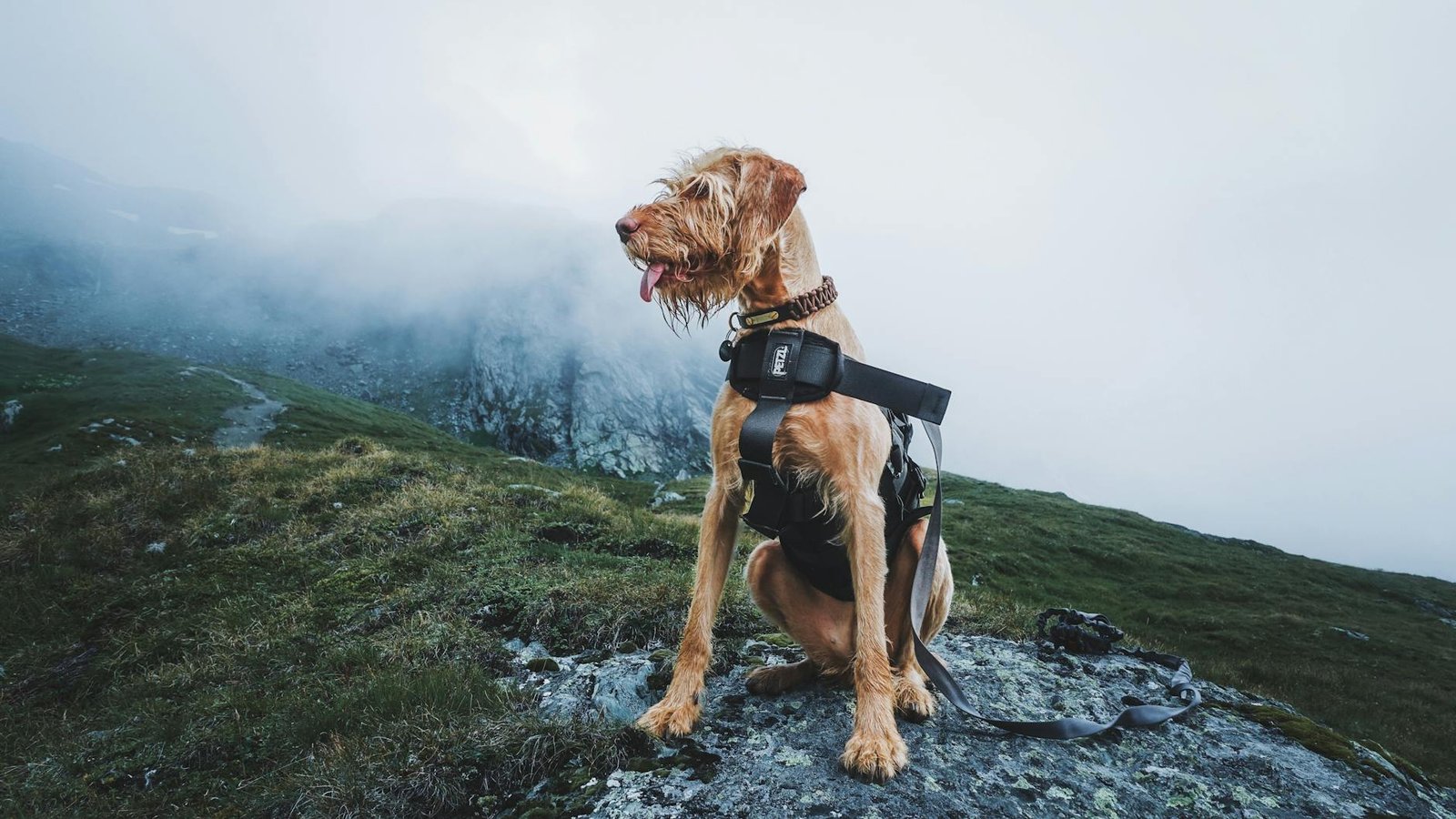
    For rugged hiking trails, you will want to look at padded, full-coverage harnesses. These often feature a Y-shape that sits behind the shoulders rather than across them, ensuring freedom of movement for your dog’s front legs. Look for models with reinforced stitching and durable materials like nylon or neoprene that can withstand scratches from rocks and branches. Additionally, consider harnesses with a handle on the top of the back. This is a lifesaver if you encounter a slippery slope or need to lift a tired dog over an obstacle quickly.

    Focusing on Fit and Comfort for Long Hikes

    The most expensive harness in the world will fail your dog if it does not fit properly. A common mistake owners make is sizing up too much, thinking that extra room equals comfort. In reality, a loose harness can slip off during a scramble or become caught on tree branches, creating a dangerous situation. Conversely, a harness that is too tight can chafe the skin and restrict breathing.

    To ensure a perfect fit, you must measure your dog’s chest circumference right behind the front legs and their neck size according to the manufacturer’s specific chart. Every brand has different sizing standards, so never rely solely on your dog’s weight. When trying on a harness, your dog should be able to move their shoulders freely without any restriction. You should also perform the “two-finger test”; you should be able to slide two fingers comfortably between the harness straps and your dog’s chest or neck. If you cannot fit two fingers, it is too tight. If you can fit a whole hand, it is likely too loose.

    Comfort extends beyond just size. Look for wide straps that distribute pressure across a larger surface area of the dog’s body. Narrow straps dig into soft tissue quickly, especially when a dog is carrying weight or pulling against resistance. Soft, breathable mesh panels are also vital for dogs who get hot easily during physical activity. Additionally, ensure that all buckles and D-rings are robust and won’t snag on clothing or gear. Metal hardware should be covered or padded to prevent rubbing against the skin.

    Safety Features That Matter on the Trail

    When you venture off the beaten path, safety features become paramount. While a sturdy leash is essential, the harness itself plays a critical role in preventing accidents. One of the most overlooked but vital features is the presence of reflective strips or high-visibility colors. Trails often start early in the morning or end after dusk, and visibility is crucial for both your dog and yourself to be seen by other hikers or wildlife.

    Another important consideration is the security of the attachment points. Ensure that the handle at the top of the harness is securely stitched and made of heavy-duty material. In an emergency, such as a sudden drop or an encounter with a frightened animal, you may need to grab your dog by this handle to lift them safely without putting strain on their neck or spine. Additionally, check for breakaway features if your dog tends to get spooked easily; while not ideal for hiking where control is needed, some designs allow the leash to detach under extreme force to prevent strangulation, though this is a specific safety debate depending on the scenario.

    Durability is also a key safety factor. Look for harnesses that have been tested for strength and wear. A harness that frays after a few hikes can fail exactly when you need it most. Reputable brands often provide lifetime warranties or guarantees, which speaks volumes about the quality of their construction. Always inspect your harness before every trip, checking for loose threads, worn padding, or stiffening buckles. Regular maintenance ensures that the gear remains safe throughout its lifespan.

    Practical Tips for Buying and Maintaining Your Harness

    Before you head to the store or order online, take a moment to assess your dog’s specific challenges. If your dog has respiratory issues, avoid harnesses that sit high on the chest, as these can press against the ribcage. Instead, opt for designs that lower the strap placement. For large breeds prone to joint problems, prioritize wide padding and ergonomic shaping to reduce impact on the shoulders and elbows.

    When shopping, try to buy from retailers that offer a return policy or in-store fitting services. It is always better to fit a harness with help from an expert who can observe your dog’s movement patterns. Once you have found the right gear, proper maintenance is just as important. Wash your harness regularly according to the manufacturer’s instructions to prevent dirt and bacteria from building up in the fabric, which can cause skin infections. Store it in a cool, dry place away from direct sunlight, which can degrade elastic components over time.

    Finally, remember that training is part of the equation. Even the best harness will not work if your dog is not accustomed to wearing it. Start by letting them sniff and explore the new gear at home before putting it on for a walk. Use treats and praise to create positive associations. Gradually increase the duration they wear the harness, building up to full hiking sessions. A well-trained, well-fitted dog is the ultimate adventure companion.

    Final Thoughts

    Choosing the best dog harness for walking and hiking is about more than just picking a cute design; it is about prioritizing your dog’s safety, comfort, and physical health. By understanding the different styles available, focusing on precise fitting, and selecting gear with robust safety features, you can ensure that every journey together is a positive experience. Take the time to measure, try on, and research options that align with your specific needs. With the right harness in hand, you and your furry friend are ready to conquer any trail, from the local park loop to the highest mountain peaks.

  • Top 5 Durable Dog Toys That Actually Last

    Top 5 Durable Dog Toys That Actually Last


    Introduction: The Never-Ending Game of Chase

    If you are like most dog owners, you have been there. You buy a new toy that looks incredible on the shelf, maybe even with glowing LED lights or squeakers that sound like a jet engine. Your pup goes wild with excitement, pouncing and shaking it with pure joy. But within minutes, that brand-new plastic shell is shredded into unrecognizable pieces, or the squeaker pops out, leaving your dog staring at you with an expression that says, “Is this it?”

    Chasing toys around the house becomes a nightmare as you sweep up plastic shards while trying to keep your energetic pup from ingesting hazardous materials. It is frustrating for your wallet and potentially dangerous for your best friend. However, there is hope on the horizon. The market has shifted towards high-quality, indestructible dog toys designed specifically for the toughest chewers and most playful destroyers.

    In this guide, we will explore the top five durable dog toys that actually stand the test of time. We will also dive into what makes these toys special, how to choose the right one for your specific breed, and why investing in quality gear is worth every penny. Let’s stop buying junk and start playing again.

    The Unbeatable Champion: Natural Rubber Kongs

    When it comes to durability, few names carry as much weight in the dog toy world as the classic Kong. These aren’t just random rubber balls; they are engineered from a proprietary natural rubber compound that is incredibly tough yet flexible enough to be safe if swallowed accidentally. The secret lies in their hollow center and textured surface.

    Their design serves a dual purpose: they are durable enough to withstand aggressive chewers, but the grooves and bumps provide essential mental stimulation. You can stuff them with peanut butter, frozen wet food, or kibble to create an engaging puzzle that keeps your dog occupied for hours. Unlike hollow plastic balls that fill with water in seconds, high-quality rubber Kongs repel moisture and resist cracking under pressure.

    For owners of powerful breeds like Pit Bulls, Rottweilers, or German Shepherds, the “Extreme” version is often recommended. This line features a harder rubber compound specifically formulated for dogs that treat their toys like personal chew sticks. While no toy is truly indestructible, these come remarkably close to lasting through years of intense play without disintegrating.

    Squeaker-Free Fun: Heavy-Duty Rope and Hide-A-Squeak

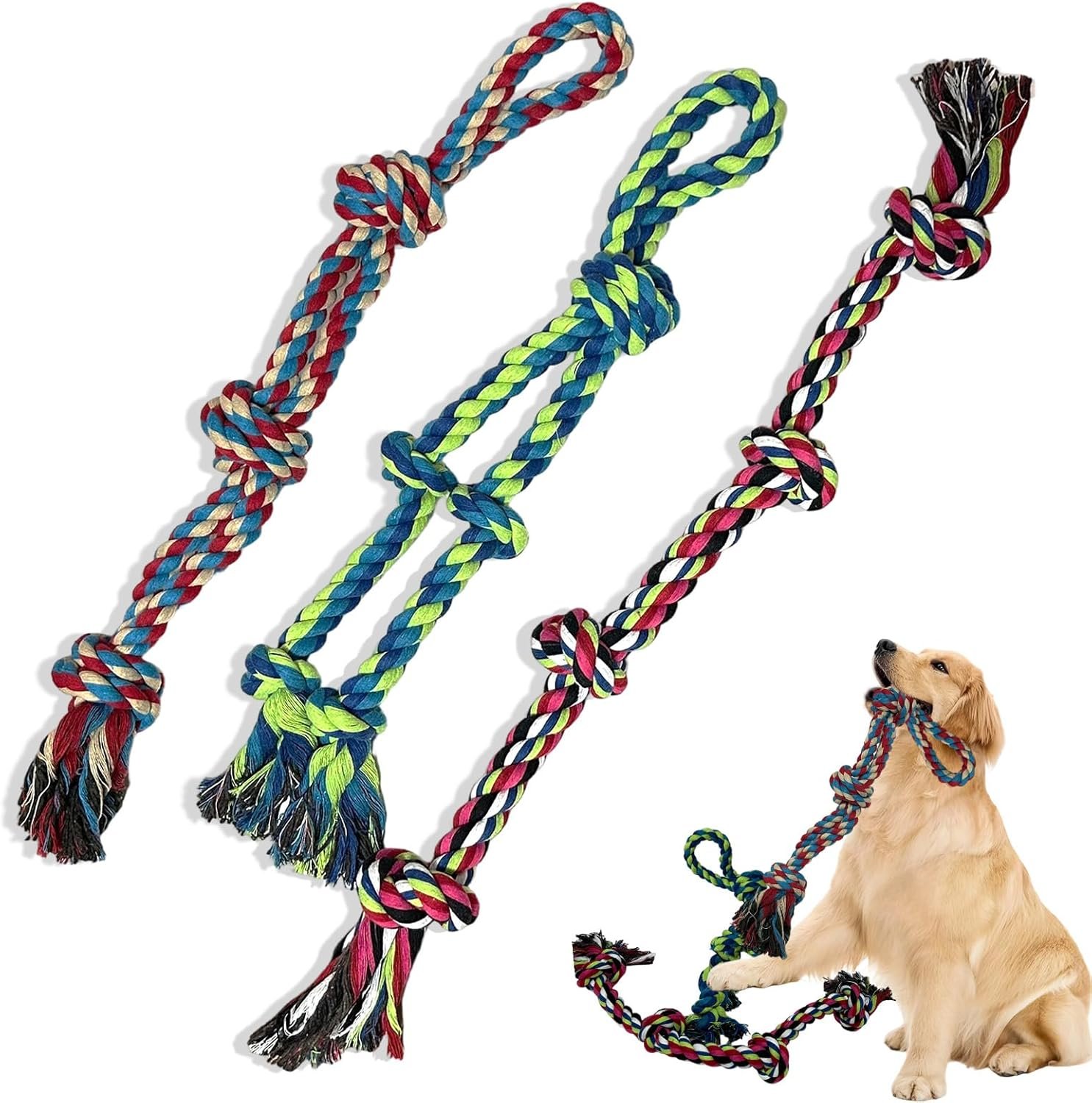
    Rope toys are a staple for tug-of-war enthusiasts, but many cheap versions fray instantly, leaving loose fibers that dogs love to swallow. The difference between a safe rope toy and a dangerous one often comes down to the material weave and thickness. Look for ropes made from 100% cotton or nylon blend with a tight, spiral weave.

    A standout category in this realm is the “hide-a-squeaker” design. These toys feature a durable outer shell, often made of heavy-duty canvas or thick rubber, with a squeaker strategically placed deep inside. This placement ensures that even if your dog bites hard enough to hear the noise, they cannot easily pop it out or ingest sharp plastic fragments.

    These types of toys are excellent for interactive play sessions where you and your dog take turns pulling. The key is to inspect the rope ends regularly. If the stitching begins to separate, trim the loose threads immediately to prevent choking hazards. A well-maintained heavy-duty rope toy can last for years if used correctly as a tug-of-war tool rather than a solo chew stick.

    The Indestructible King: Nylon Bone Toys

    If your dog is known as a “destroyer” of toys, you need to switch up the material entirely. Enter the nylon bone toy. These are not made of plastic; they are molded from industrial-grade nylon, often with additives that make them resistant to extreme wear and tear. They come in various shapes, from classic bones to animal silhouettes like wolves or dinosaurs.

    The texture of these toys is rough, which helps clean your dog’s teeth as they chew, acting somewhat like a natural dental treat. This is a huge plus for owners concerned about plaque buildup and bad breath. However, because the material is so hard, these are best suited for dogs that chew moderately aggressively rather than those who try to eat the toy itself.

    When selecting a nylon bone, always check the size recommendation based on your dog’s weight. A toy that is too small can become a choking hazard if the dog manages to break off a chunk. Additionally, avoid toys with plastic eyes or ears attached to nylon bones, as these can be ripped off and swallowed. Stick to the monolithic designs where every part of the toy is made from the same durable material.

    Frozen Treat Dispensers: The Ice Cube Tray Hack

    Sometimes the most durable toy is one you make yourself using simple household items. Silicone ice cube trays are a fantastic, inexpensive solution for hot summer days or high-energy dogs who need a cool distraction. These trays are made from food-grade silicone that is flexible enough to release frozen treats easily but rigid enough to withstand being tossed around on grass or carpet.

    To make this toy effective, fill the tray with low-sodium chicken broth, Greek yogurt mixed with peanut butter (ensure xylitol-free), or a blend of wet food and kibble. Freeze it solid for at least four hours. Once frozen, present the block to your dog. As they lick and chew through the outer layer, the inner layers slowly melt, providing a long-lasting treat that satisfies their urge to chew without destroying anything.

    This method is highly customizable based on what your dog loves most and helps slow down fast eaters. Plus, it is an eco-friendly alternative to plastic water bottles or cheap plastic dispensers that often crack in the freezer. Just ensure you supervise your dog initially to prevent them from consuming too much of the concentrated treat mixture all at once.

    Conclusion: Safety and Satisfaction Go Hand in Hand

    Investing in durable dog toys is about more than just saving money; it is about ensuring the safety and happiness of your furry companion. Toys that fall apart quickly can lead to ingested plastic, sharp edges, or bacterial growth in hollowed-out shells. By choosing high-quality options like natural rubber Kongs, heavy-duty ropes, nylon bones, or homemade frozen treats, you provide your dog with safe, engaging entertainment that stands the test of time.

    Remember that every dog is different. A toy perfect for a gentle Labrador might be too soft for a Border Collie, and vice versa. Always observe your dog’s chewing style and adjust your toy selection accordingly. Regular inspection is key, even with the toughest toys, to ensure no parts are becoming loose or worn down over time.

    By prioritizing durability and safety, you turn playtime into a reliable bonding experience where the only thing getting destroyed is the boredom in your dog’s mind. Happy playing!