Tag: cognitive skills

  • How Mazes Improve Problem-Solving Skills In Children

    How Mazes Improve Problem-Solving Skills In Children

    Remember those afternoons spent hunched over a piece of paper, tracing a pencil through winding corridors, desperately trying to find the exit? For many of us, mazes were just a way to kill time on a rainy day. But for a developing brain, that simple activity is actually a high-intensity workout for cognitive functions. While it looks like simple play, navigating a labyrinth requires a complex set of mental maneuvers that translate directly to real-sife challenges.

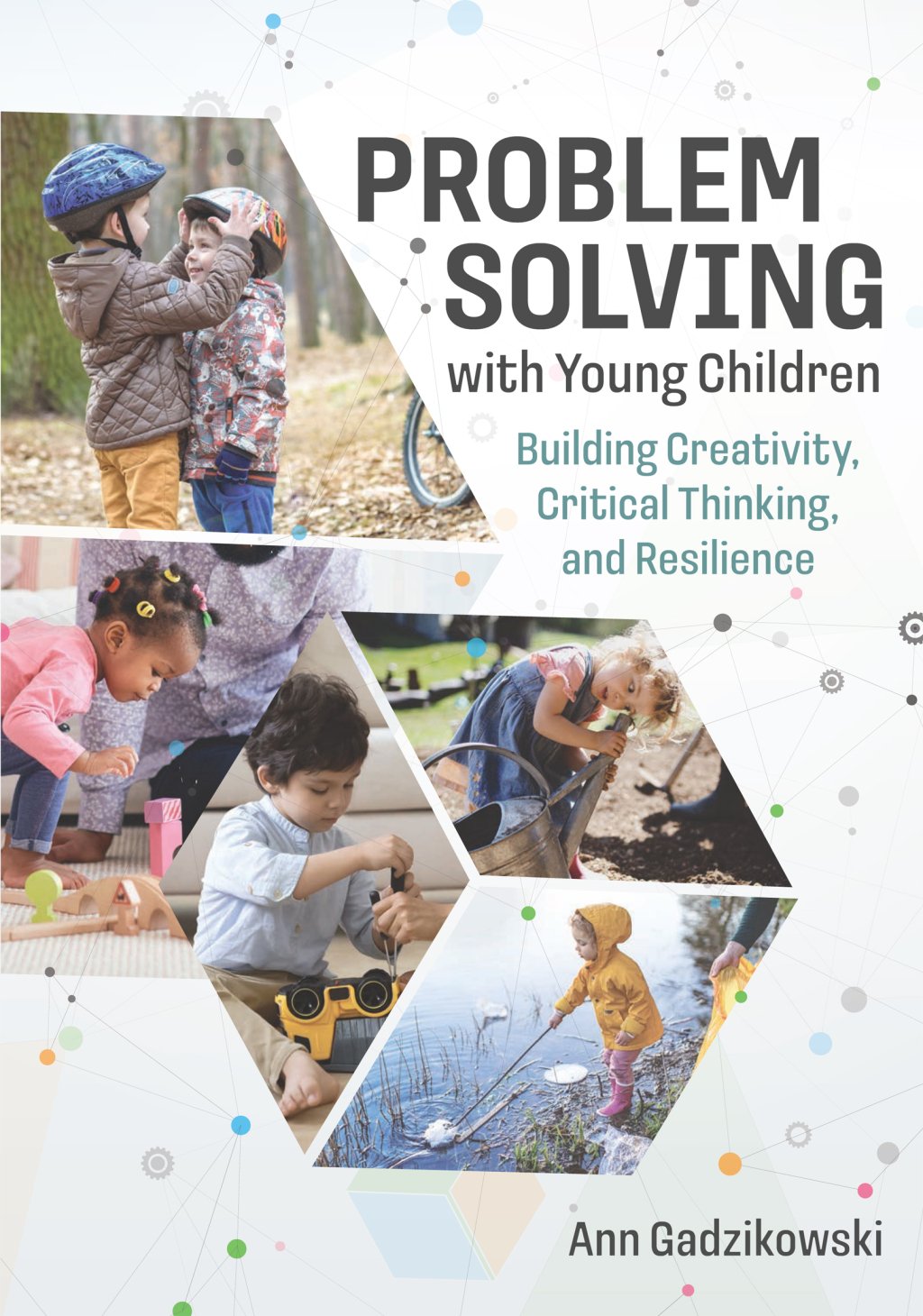
    Problem Solving with Young Children (eBook Rental)

    As parents and educators, we are constantly looking for ways to sharpen a child’s mind without making learning feel like a chore. The good news is that you don’t need expensive software or high-tech gadgets to foster these skills. A simple, budget friendly book of mazes can be just as effective as a digital app, providing a tactile experience that screens often lack.

    The cognitive mechanics of navigating a maze

    When a child approaches a maze, their brain isn’t just looking for a path; it is performing a series of rapid-fire calculations. They are scanning for patterns, predicting obstacles, and evaluating potential routes. This process involves several distinct cognitive layers.

    First, there is spatial awareness. To solve a maze, a child must understand the relationship between the “start” and the “finish,” as well as the distance between various walls and turns. They are essentially building a mental map of a 2D space. This is a foundational skill for everything from reading maps to understanding geometry later in life.

    Second, mazes demand executive function. This includes working memory, which allows them to remember which path they just tried, and inhibitory control, which helps them stop themselves from blindly rushing into a dead end. They have to suppress the impulse to just “go” and instead pause to “plan.”

    Developing strategic foresight

    One of the most significant benefits is the development of trial-and-error resilience. In a maze, hitting a dead end isn’t a failure; it is data. It tells the child, “This route is incorrect; let’s try the other direction.” This teaches them to view mistakes as necessary steps in a larger process. Learning to pivot when a plan fails is a vital part of problem-solving skills that will serve them well in school and beyond.

    This repetitive cycle of hypothesis and testing helps children develop a systematic way of thinking. Instead of acting purely on instinct, they begin to look for cues—a wide opening here, a narrow corridor there—that suggest a more successful path. This is the beginning of logical reasoning and strategic planning.

    Age-appropriate maze activities for different stages

    Not all mazes are created equal. To keep a child engaged and prevent frustration, it is vital to choose challenges that match their current developmental level. If a maze is too easy, they’ll get bored; if it’s too hard, they might give up entirely.

    Toddlers and Preschoolers (Ages 2-4)

    At this age, the goal isn’t complex logic but rather fine motor control and basic visual tracking. Look for “pathway” mazes rather than true labyrinths. These are often wide, colorful tracks where the child simply follows a line from a character to a piece of fruit or a toy.

    • Focus on thick lines that are easy to trace with a finger or a jumbo crayon.
    • Use mazes that involve stickers to add a tactile, rewarding element.
    • Keep the paths short and the “dead ends” non-existent to build confidence.

    Early Elementary (Ages 5-7)

    This is the sweet spot for educational play. Children in this bracket can handle more traditional mazes with clear walls and a few branching paths. They are beginning to understand the concept of “if/then” logic (e.g., “If I turn left, I hit a wall, so I must turn right”).

    • Introduce mazes with slight complexity, such as small loops or obstacles.
    • Incorporate themes like “help the bee find the flower” to keep interest high.
    • Encourage them to use a pencil so they can erase mistakes, reinforcing the idea that errors are fixable.

    Older Children (Ages 8+)

    For older kids, you can introduce 3D mazes or much more intricate 2D patterns. At this stage, the challenge should lie in the sheer density of the paths and the number of deceptive turns. You might even try “logic mazes” where they have to follow specific rules to find the exit.

    Practical tips for parents and educators

    While mazes are inherently low-risk, there are ways to enhance the experience and ensure it remains a positive learning opportunity. The key is to act as a guide rather than a teacher.

    Avoid the temptation to jump in and show them the “right” way immediately. If you see them struggling, ask prompting questions instead of giving answers. Try saying, “I wonder what happens if you take that turn near the top?” or “What do you notice about that dead end?” This keeps the cognitive heavy lifting on their side of the table.

    Safety is also a small but important consideration. If you are using physical maze kits or 3D wooden puzzles, ensure there are no small parts that could pose a choking hazard for younger siblings. Additionally, always supervise the use of scissors if the activity involves cutting through paper mazes.

    Lastly, keep the environment calm. Problem-solving requires deep concentration. Minimize loud background noise or sudden distractions so they can enter a state of “flow,” where they are fully immersed in the task at hand. This deep focus is a skill in itself, often referred to as sustained attention.

    Making mazes a part of your daily routine

    You don’t need to set aside an hour of “study time” to reap these benefits. Integration is much more effective than isolation. You can use mazes as a transition activity between school and dinner, or as a quiet activity during a long car ride. Because they are so age appropriate and versatile, they can fit into almost any schedule.

    If you want to take it a step further, try creating your own! Using masking tape on a carpet to create a giant floor maze is a fantastic way to combine physical movement with cognitive challenge. This turns a sedentary paper activity into a full-body sensory experience.

    Ultimately, the goal is to foster a mindset of curiosity and persistence. Whether they are navigating a tiny paper corridor or a giant tape labyrinth on the floor, the mental muscles they are building are the same. They are learning how to face a problem, analyze it, and work through it until they find the way out.

    Ready to boost your child’s brainpower? Grab a pack of various maze books or some masking tape and start exploring today. The path to better problem-solving is much more fun when it’s a winding one!

    Our Top Picks

    Products we recommend:

    1. Problem Solving Skills for Children, Ages 5-12

    Problem Solving Skills for Children, Ages 5-12

    Problem Solving Skills for Children, Ages 5-12

    by Knetbooks.com

    $12.43

    Check Price →

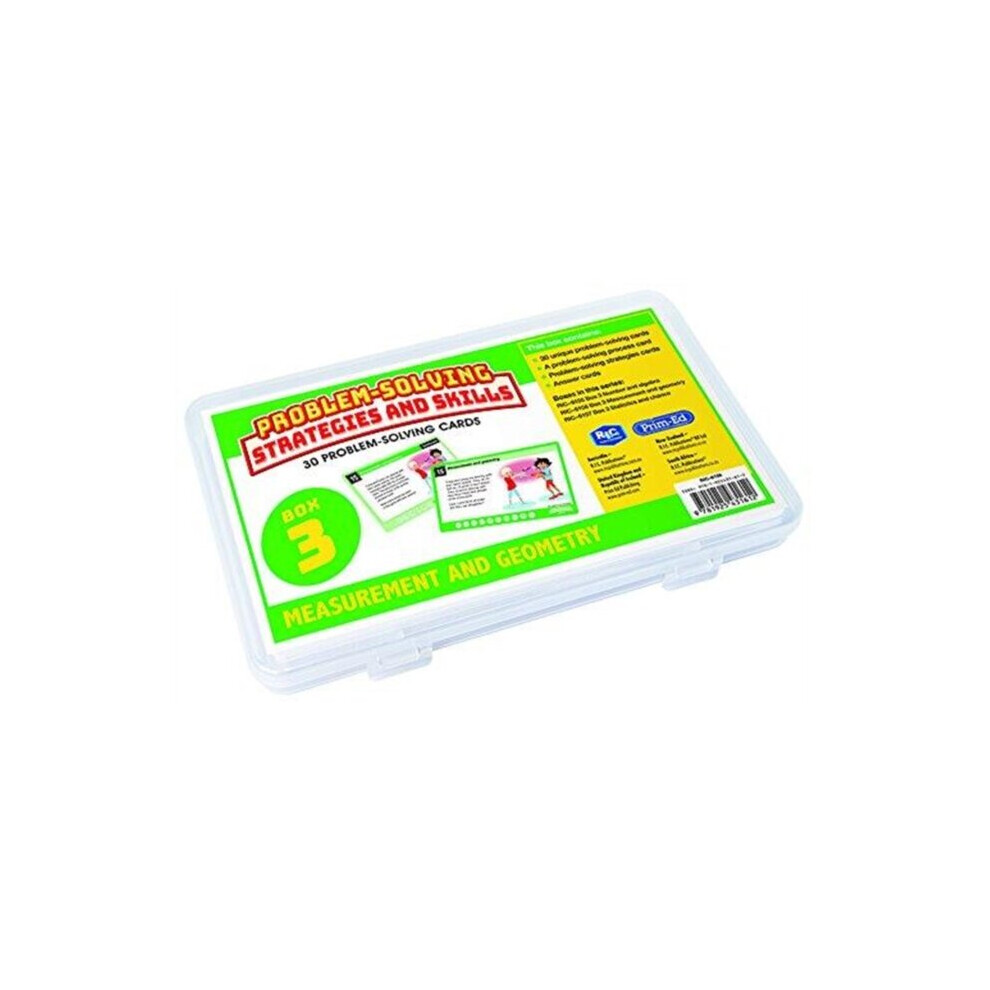
    2. Problem-solving Strategies and Skills
    Problem-solving Strategies and Skills

    Problem-solving Strategies and Skills

    by OnBuy.com

    $9.84

    Check Price →

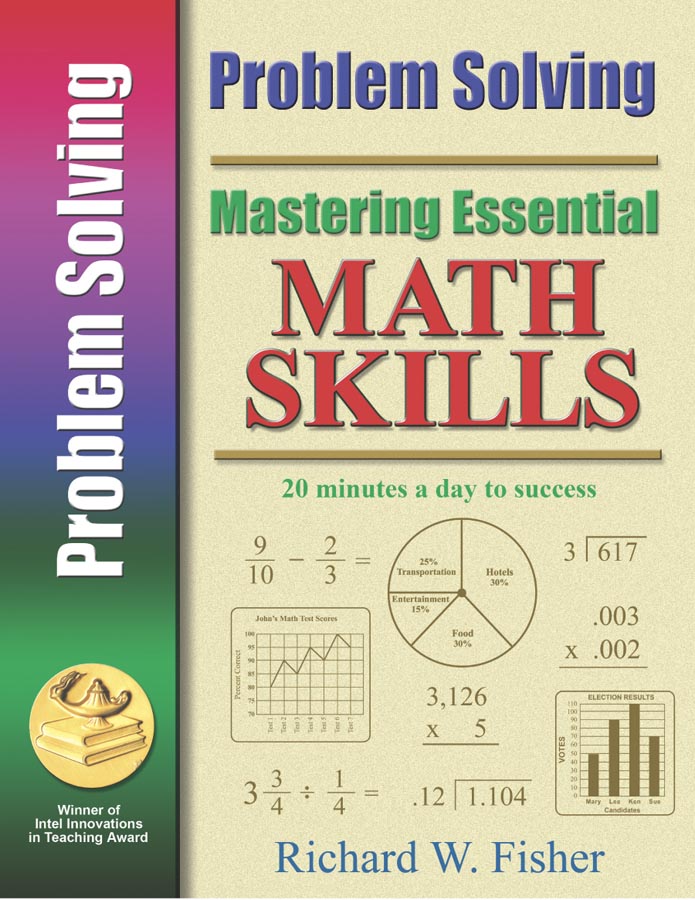
    3. Mastering Essential Math Skills: Problem Solving
    Mastering Essential Math Skills: Problem Solving
    Mastering Essential Math Skills: Problem Solving

    by Christianbook.com

    $47.95

    Check Price →

  • How Mazes Improve Problem-Solving Skills In Children

    How Mazes Improve Problem-Solving Skills In Children

    Have you ever watched a child sit completely motionless, brow furrowed, pencil hovering over a piece of paper, only to suddenly gasp and cheer when they find the exit? There is something incredibly captivating about a good maze. It isn’t just a way to kill time on a long car ride; it is a miniature training ground for the brain. While it looks like simple play, what is happening inside that little head is actually a complex series of cognitive maneuvers.

    Problem Solving with Young Children (eBook Rental)

    As parents, we are always looking for ways to help our kids develop critical thinking without making them feel like they are doing “work.” Mazes are one of’ those rare gems. They provide a natural way to practice trial and error, planning, and persistence. In this guide, we will look at how these winding paths help shape a child’s ability to tackle real-world challenges.

    The cognitive mechanics of navigating a path

    When a child enters a maze, they aren’t just moving a pencil or a body through a corridor. They are performing several high-level mental tasks simultaneously. First, they have to process visual information to identify walls and openings. This requires spatial awareness—the ability to understand how objects relate to one another in space.

    Next comes the element of prediction. A child looks at a junction and thinks, “If I go left, will I hit a dead end?” This is the foundation of logical reasoning. They are essentially running mental simulations of different outcomes before committing to a physical move. This process builds the neural pathways responsible for strategic thinking, which is a skill that translates directly to math, science, and even social interactions later in life.

    Developing spatial reasoning and fine motor skills

    Beyond the logic, there is a physical component to mazes. For younger children working on paper mazes, the act of navigating narrow corridors requires significant hand-eye coordination. They have to control the pencil precisely to avoid hitting the “walls” of the printed lines. This strengthens the small muscles in the hands, which is vital for learning to write.

    For those playing with physical, 3D mazes or even large-scale garden mazes, the benefits expand. They are learning to navigate their own bodies through space, understanding depth, distance, and scale. This physical engagement helps ground their cognitive learning in real-world movement.

    Building resilience through trial and error

    One of the most underrated benefits of mazes is how they teach kids to handle failure. In a maze, hitting a dead end isn’t a disaster; it’s just a piece of information. It tells the child, “That path didn’t work, let’s try another.” This is the essence of the scientific method: forming a hypothesis, testing it, and adjusting based on the results.

    Learning that a mistake is not the end of the world is a huge developmental milestone. Many children struggle with perfectionism or get frustrated when they can’t get something right on the first try. Mazes provide a low-stakes environment where hitting a dead end is part of the fun. It fosters a growth mindset, teaching them that persistence is often more important than immediate success.

    Age-appropriate maze activities

    Not all mazes are created equal. To keep a child engaged and prevent frustration, it is helpful to match the difficulty to their developmental stage. Here is a quick breakdown of what to look for:

    • Toddlers (Ages 2-3): At this stage, focus on very simple paths with wide openings. You might even start with “sensory mazes” using tape on the floor. These are best for toddlers because they focus more on movement and basic direction (left, right, forward) rather than complex logic.
    • Preschoolers (Ages 4-5):: You can introduce paper mazes with more turns and perhaps a few dead ends. They are also ready for “obstacle course” style mazes in the living room using pillows and cushions.
    • Early Elementary (Ages 6-8): This is the sweet spot for complex paper mazes and 3D wooden puzzles. They can handle more intricate paths and are starting to use more advanced planning skills.
    • Older Children (Ages 9+):: For older kids, look for mazes that involve multiple layers, such as 3D mazes or even digital logic puzzles that require them to manage multiple variables at once.

    Indoor vs outdoor maze ideas

    Depending on the weather and your space, you can vary the type of mazes you present. This keeps the learning fresh and prevents boredom.

    Indoor options are great for rainy days and are incredibly budget friendly. You can create a “tape maze” on the carpet using painter’s tape, or use household items like chairs and blankets to create a tunnel system. These indoor setups are excellent for developing gross motor skills and spatial awareness in a controlled environment.

    Outdoor mazes offer a different kind of stimulation. If you have a backyard, you can use sticks, stones, or even large garden pots to create a path. Outdoor play often involves more sensory input—feeling the wind, hearing birds, and navigating uneven terrain—which adds another layer to their cognitive development. It’s a great way to combine physical exercise with mental exercise.

    Safety considerations for maze play

    While mazes are generally very safe, there are a few things to keep in mind, especially when creating DIY versions at home. If you are building an indoor obstacle maze, ensure that the “walls” (like cushions or chairs) are stable and won’t fall on a child. Make sure the pathways are wide enough so they don’t trip or get stuck.

    When playing outdoors, always supervise younger children, especially if the maze involves uneven ground or natural elements like sticks. The goal is to challenge them, not to create a tripping hazard. Always ensure that the “exit” of your maze is clearly visible or easily reachable so a child never feels truly trapped or overwhelmed.

    Summary of developmental benefits

    To recap, why should you keep a stash of mazes handy? Here is a quick look at what your child is gaining:

    1. Improved Focus: Navigating a path requires sustained attention.
    2. Logical Reasoning: Testing paths and predicting outcomes.
    3. Fine Motor Control: Precise movements for paper-based mazes.
    4. Emotional Regulation: Learning to manage frustration when hitting dead ends.
    5. Spatial Awareness: Understanding their position in relation to boundaries.

    Next time you see your child staring intensely at a maze, remember that they aren’t just playing. They are building the mental toolkit they will use for the rest of their lives. Whether it is a simple drawing on a napkin or a massive backyard adventure, the winding paths are leading them toward much bigger breakthroughs.

    Want to boost your child’s brainpower this weekend? Grab some painter’s tape and turn your hallway into a labyrinth, or head to the library to find a new book of puzzles. It is a simple, fun, and effective way to support their growth!