Tag: educational games

  • How Word Search Puzzles Help Kids Learn Vocabulary

    How Word Search Puzzles Help Kids Learn Vocabulary

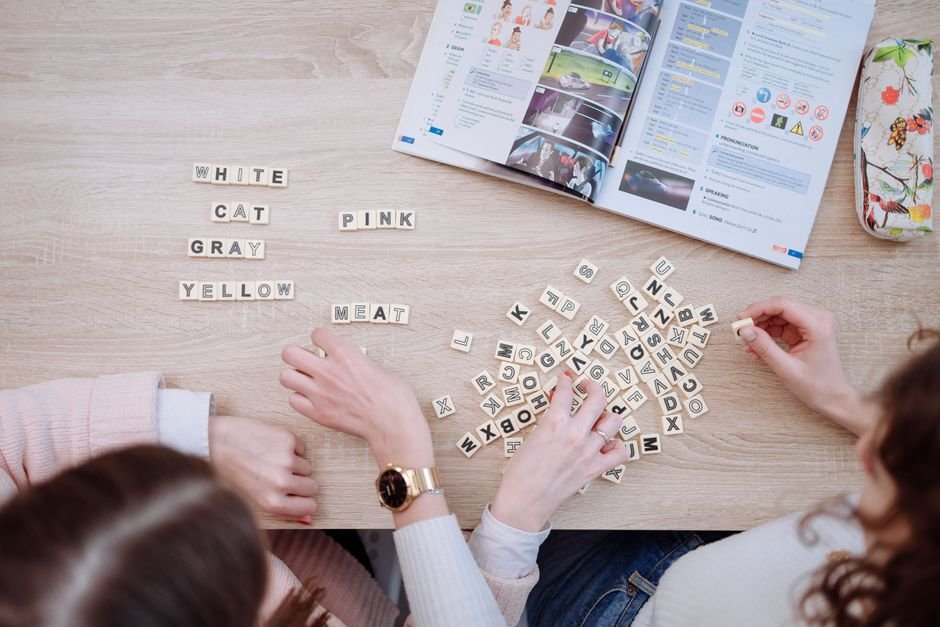
    Remember those rainy afternoons when the only thing to do was sit by the window and stare at the clouds? For many of us, those moments were saved by a crumpled newspaper or a worn-out puzzle book. While we might have just been looking for a way to pass the time, we were actually doing something much more significant for our brains. For children, word search puzzles act as a quiet, engaging way to build language skills without the pressure of a formal classroom setting.

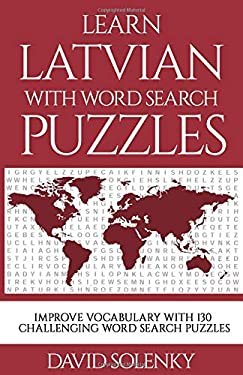
    Learn Latvian with Word Search Puzzles: Learn Latvian Language Vocabulary with C

    If you are looking for a budget friendly way to boost your child’s literacy, you don”t need expensive software or subscription-based learning apps. Sometimes, a simple grid of letters and a highlighter are all it takes to spark a love for reading. Let’s look at how these simple games actually function as a tool for language development.

    The mechanics of vocabulary building through puzzles

    At first glance, a word search looks like a simple hunting game. However, underneath the surface, several cognitive processes are happening simultaneously. When a child scans a grid, they aren’t just looking for shapes; they are engaging in active pattern recognition.

    One of the primary ways this helps is through orthographic processing. This is a fancy way of saying that children learn to recognize the specific arrangement of letters that form a word. By repeatedly seeing “elephant” or “astronomy” spelled out in a grid, the visual memory of that word’s structure becomes much stronger. This helps reduce spelling errors in their daily writing.

    Strengthening letter-sound connections

    As kids hunt for words, they often whisper the letters or the full word to themselves. This auditory repetition reinforces the connection between the written symbol and the sound it makes. It turns a passive reading experience into an active, multisensory one. This is particularly helpful for younger learners who are still transitioning from phonics to full-word recognition.

    Expanding word familiarity

    Word searches allow children to encounter “low-frequency” words—words they might not use in everyday conversation but are essential for reading comprehension. Whether the theme is “Marine Life” or “Space Exploration,” the puzzle introduces them to specialized terminology in a non-intunes way. Because the word is already provided in a list, the child doesn’t feel the frustration of not knowing the word; instead, they feel the satisfaction of finding it.

    Cognitive benefits beyond just spelling

    While vocabulary is the main star, the mental workout provided by word searches extends to other areas of development. These puzzles require a high level of focus and visual discrimination, which are foundational skills for all types of academic learning.

    • Improved concentration: Finding a hidden word requires sustained attention. In a world of short-form videos and quick distractions, sitting with a single task for ten minutes is excellent practice for a child’s attention span.
    • Visual scanning skills: The ability to move eyes systematically across a page is a skill used in everything from reading a textbook to navigating a busy street.
    • Problem-solving stamina: When a child can’t find a word, they have to change their strategy—looking vertically instead of horizontally or checking the corners. This teaches them to approach challenges from different angles.

    Developing patience and persistence

    Not every word is found immediately. There is a certain level of “productive frustration” involved in a good puzzle. Learning to stay calm and keep searching when a word is elusive helps build emotional resilience. It teaches them that the reward—the satisfaction of circling that last word—is worth the effort of the hunt.

    Tailoring puzzles to different age groups

    To keep these activities educational and fun, it is vital to match the difficulty level to your child’s current developmental stage. A puzzle that is too easy will lead to boredom, while one that is too hard will cause unnecessary frustration.

    Preschool and Kindergarten (Ages 4-6)

    At this stage, keep the grids small—perhaps 5×5 or 6×6. Focus on very short words (3-4 letters) and limit the directions to just horizontal and vertical. Use themes they are currently obsessed with, like dinosaurs or colors, to keep them engaged.

    Early Elementary (Ages 7-9)

    This is the sweet spot for word searches. You can introduce diagonal words and slightly larger grids. This is a great time to introduce “challenge words” that might be slightly above their current reading level to stretch their vocabulary.

    Upper Elementary and Middle School (Ages 10+)

    For older kids, the challenge should come from the complexity of the themes and the density of the grid. You might use words related to science, history, or literature. At this age, you can even create custom puzzles using vocabulary words they are currently studying in school to help them study for tests.

    Safety and screen-time considerations

    While digital word search apps are available, there is a distinct advantage to using paper-based puzzles. Physical puzzles provide a much-needed break from blue light and help develop fine motor skills through the use of pencils and highlighters. If you do choose digital options, ensure they are ad-free and do not contain in-app purchases that could lead to accidental spending.

    Furthermore, when choosing themed puzzles, always consider the content. Ensure the vocabulary is age-appropriate and avoids any sensitive or overly complex topics that might confuse a younger child. The goal is to create a safe, low-stress environment for learning.

    Practical tips for parents and teachers

    If you want to make these puzzles even more effective, try integrating them into your daily routine. Here are a few ways to maximize the learning potential:

    1. The “Definition Challenge”: After finding a word, ask your child if they know what it means. If they don’t, look it up together in a dictionary.
    2. Sentence Building: Once a word is found, challenge them to use it in a complete, grammatically correct sentence.
    3. Create your own: Use an online generator to create a custom puzzle using their weekly spelling list. This makes “studying” feel like a game.
    4. Indoor vs outdoor play: Use word searches as a “calm down” activity during indoor time, or take a printed puzzle on a long car ride or a picnic to keep their minds active during downtime.

    Using these puzzles doesn’t require a massive time commitment. Even five or ten minutes a day can make a noticeable difference in how a child interacts with language. It is a simple, effective tool that turns a quiet moment into a significant learning opportunity.

    Are you looking for more ways to support your child’s literacy journey? Check out our other guides on creative reading strategies and fun educational activities you can do at home!

    Our Top Picks

    Products we recommend:

    1. Learn Latvian with Word Search Puzzles: Learn Latvian Language Vocabulary with Challenging Word Find Puzzles for All Ages by David Solenky (Paperback)

    Learn Latvian with Word Search Puzzles: Learn Latvian Language Vocabulary with Challenging Word Find Puzzles for All Ages by David Solenky (Paperback)

    Learn Latvian with Word Search Puzzles: Learn Latvian Language Vocabulary with Challenging Word Find Puzzles for All Ages by David Solenky (Paperback)

    by BetterWorld.com – New, Used, Rare Books & Textbooks

    $5.73

    Check Price →

    2. Tarot Word Search: 78 Puzzles to Help You Learn the Meanings to the Cards

    Tarot Word Search: 78 Puzzles to Help You Learn the Meanings to the Cards

    Tarot Word Search: 78 Puzzles to Help You Learn the Meanings to the Cards

    by Indigo Books & Music

    $12.95

    Check Price →

    3. Word Search Puzzles

    Word Search Puzzles

    Word Search Puzzles

    by Knetbooks.com

    $9.93

    Check Price →

  • How Word Search Puzzles Help Kids Learn Vocabulary

    How Word Search Puzzles Help Kids Learn Vocabulary

    We have all been there. It is a rainy Tuesday afternoon, the kids are bouncing off the walls, and you are desperately searching for something to keep them occupied that doesn’t involve a screen. You want something that feels like play but actually does some heavy lifting for their brain development. Enter the humble word search puzzle. While it might look like just a way to pass the time, these grids of letters are actually sneaky little tools for language growth.

    Learn Latvian with Word Search Puzzles: Learn Latvian Language Vocabulary with C

    As parents or educators, we often focus on flashcards or repetitive reading exercises to build a child’s lexicon. Those have their place, but they can feel like chores. Word searches, on the otherకి side, turn the “work” of learning into a scavenger hunt. When a child finds a hidden word, they aren’t just checking a box; they are engaging in a complex cognitive process that reinforces how letters form meaningful units of language.

    Why word searches work for language development

    Learning new words is about more than just memorizing a definition. It involves recognition, spelling, and contextual understanding. Word searches hit all these marks simultaneously. When a child scans a grid, their eyes are performing “visual tracking,” a skill essential for reading fluency. They are scanning left to right, top to bottom, and even diagonally, which trains the eye to move smoothly across a page of text.

    Beyond the physical act of looking, there is a deep level of pattern recognition happening. To find the word “elephant,” a child has to recognize the specific sequence of E-L-E-P-H-A-N-T. This reinforces spelling accuracy without the boredom of a spelling test. Because the word is embedded in a sea of other letters, the brain has to work harder to isolate the target sequence, creating stronger neural pathways associated with that specific word.

    Strengthening spelling and letter recognition

    Spelling is often one of the biggest hurdles in early literacy. Word searches provide a low-pressure environment to practice. If a child finds “garden” but realizes they missed the ‘n’, they have to go back and re-scan. This self-correction is a vital part of the learning process. They are seeing the letters in a non-linear way, which helps them move away from simple rote memorization toward true visual literacy.

    For younger learners, this is particularly helpful for distinguishing between similar-looking letters like ‘b’ and ‘d’ or ‘p’ and ‘q’. Seeing these characters repeated in various positions within a grid helps solidify their identity in the child’s mind.

    Cognitive benefits beyond just vocabulary

    While we are focused on words, these puzzles offer a much wider range of developmental perks. It isn’t just about the dictionary; it is about how the brain processes information under pressure.

    • Improved Concentration: Completing a puzzle requires sustained attention. In an era of short-form videos, practicing the ability to focus on a single task for ten or fifteen minutes is a massive win for a child’s executive function.
    • Problem-Solving Skills: Deciding which direction to scan next or how to eliminate “decoy” words builds logical reasoning.

      Pattern Recognition: Identifying shapes, sequences, and clusters of letters sharpens the analytical part of the brain.

      Stress Reduction: For many kids, the repetitive, rhythmic nature of searching can be quite soothing, making it a great way to decompress after a long school day.

    Boosting working memory

    Working memory is the ability to hold information in your mind while performing a task. When a child is searching for a word, they have to keep the sequence of letters in their head while simultaneously scanning the grid. They can’t just look for the letter ‘A’; they have to look for ‘A’, then ‘P’, then ‘P’, then ‘L’, and so on. This mental juggling act is an educational workout for the brain’s ability to retain and manipulate data.

    Tailoring puzzles to different age groups

    Not all word searches are created equal. To keep a child from getting frustrated or bored, you need to pick the right level of difficulty. What works for a preschooler will be a total snooze-fest for a fifth grader.

    Preschool and Kindergarten

    At this stage, we are looking for something best for toddlers and early learners. The grids should be very small, perhaps only 5×5 or 6×6, and the words should be very short (3-4 letters). Instead of long lists, use words that represent things they can see, like “cat,” “sun,” or “dog.” The goal here isn’t complex vocabulary; it’s simple letter recognition and the joy of finding a “hidden” object.

    Elementary School (Ages 6-9)

    This is the sweet spot for thematic puzzles. You can introduce themes like “Space,” “Under the Sea,” or “Dinosaurs.” This adds a layer of topical learning to the activity. At this age, you can introduce words that are slightly more challenging and include diagonal or backwards words to increase the difficulty. This is where the spelling benefits really start to shine.

    Upper Elementary and Middle School (Ages 10+)

    For older kids, the challenge should come from the complexity of the vocabulary and the density of the grid. You can use academic terms from their science or history lessons. This turns the puzzle into a great study tool. If they are studying the American Revolution, a word search featuring names like “Revere” or “Lexington” can help familiarize them with the terms before a test.

    Safety and practical tips for parents

    While word searches are a safe, sedentary activity, there are a few things to keep in mind to ensure they remain a positive experience.

    First, consider the environment. While we often think of these as indoor vs outdoor activities, they are perfect for long car rides, waiting rooms, or quiet time at home. However, if you are using physical workbooks, ensure the child has good lighting to prevent eye strain. If your child is prone to frustration, always sit with them for the first few rounds to model how to scan the grid effectively.

    Second, keep an eye on content. If you are downloading puzzles from the internet, ensure they are age-appropriate and free from distracting or inappropriate advertisements. Using curated educational workbooks is usually a safer bet for peace of mind.

    Lastly, don’t turn it into a competition. The goal is to foster a love for language, not to create anxiety about speed. Let them take as long as they need. The “win” is the moment they spot that hidden word and feel that burst of pride.

    Making it a regular habit

    Integrating word searches into your daily routine doesn’t require much effort. You don’t need a dedicated “lesson time.” Instead, keep a folder of different difficulty levels in the living room or in their backpack. Make it a part of their “wind-down” time before bed or a reward for finishing homework.

    By making these puzzles a regular part of their lives, you are helping them build a much stronger foundation for reading, spelling, and critical thinking—all while they think they are just playing a game.

    Ready to boost your child’s vocabulary? Start by picking a theme they love—whether it’s animals, planets, or superheroes—and find a puzzle that matches their current skill level today!

    Our Top Picks

    Products we recommend:

    1. Learn Latvian with Word Search Puzzles: Learn Latvian Language Vocabulary with Challenging Word Find Puzzles for All Ages by David Solenky (Paperback)

    Learn Latvian with Word Search Puzzles: Learn Latvian Language Vocabulary with Challenging Word Find Puzzles for All Ages by David Solenky (Paperback)

    Learn Latvian with Word Search Puzzles: Learn Latvian Language Vocabulary with Challenging Word Find Puzzles for All Ages by David Solenky (Paperback)

    by BetterWorld.com – New, Used, Rare Books & Textbooks

    $5.73

    Check Price →

    2. Tarot Word Search: 78 Puzzles to Help You Learn the Meanings to the Cards

    Tarot Word Search: 78 Puzzles to Help You Learn the Meanings to the Cards

    Tarot Word Search: 78 Puzzles to Help You Learn the Meanings to the Cards

    by Indigo Books & Music

    $12.95

    Check Price →

    3. Word Search Puzzles

    Word Search Puzzles

    Word Search Puzzles

    by Knetbooks.com

    $10.44

    Check Price →

  • How Word Search Puzzles Help Kids Learn Vocabulary

    How Word Search Puzzles Help Kids Learn Vocabulary

    Remember those rainy afternoons spent hunched over a newspaper, circling letters with a bright red marker? For many of us, word searches were just a way to pass the time. But if you are a parent or educator looking for ways to boost a child’s literacy, you might be surprised to find that these simple grids are actually incredible tools for language development.

    Learn Latvian with Word Search Puzzles: Learn Latvian Language Vocabulary with C

    Finding words in a sea of random letters feels like a scavenger hunt for the brain. It turns the often-tedious task of studying new terms into a rewarding challenge. Instead of staring at a list of definitions, kids are actively hunting for patterns, which changes how they interact with new language.

    The Cognitive Mechanics of Word Hunting

    When a child sits down with a puzzle, their brain is doing much more than just scanning for a sequence of letters. They are engaging in several high-level cognitive processes simultaneously. This active engagement is what makes word searches more effective than passive reading.

    < p>First, there is the element of visual discrimination. To find the word “elephant,” a child has to recognize the specific shape of the letters and the way they sit next to each other. This strengthens the ability to distinguish between similar-looking characters, such as ‘b’ and ‘d’ or ‘p’ and ‘q’, which is a fundamental skill for early readers.

    Second, these puzzles encourage pattern recognition. The brain begins to look for clusters of vowels or specific consonant combinations. This training helps children recognize word boundaries and structures, making it easier for them to decode much longer, more complex words when they encounter them in books.

    How Word Searches Expand Vocabulary

    Expanding a child’s vocabulary isn’t just about memorizing long lists of words; it is about familiarity and context. Word searches provide a low-pressure environment to encounter new terminology.

    Building Word Familiarity

    If a child is working on a themed word search—perhaps about “Space” or “Ocean Life”—they are seeing words like “nebula” or “crustacean” repeatedly. Even if they don’t know the exact definition yet, the visual repetition builds a sense of familiarity. When they eventually see these words in a science textbook, they won’t feel intimidated because the word is already “known” to them.

    Improving Spelling Accuracy

    Spelling is essentially the ability to recall the correct sequence of letters. Because word searches require the child to track every single letter in a word to ensure they haven’t missed any, they are performing a subconscious spelling drill. They are physically tracing the correct order of letters, which reinforces muscle memory and mental mapping of the word’s structure.

    Contextual Learning Through Themes

    Using themed puzzles allows for a targeted educational experience. You can choose puzzles that align with what they are learning in school. If they are studying the solar system, a space-themed puzzle reinforces the curriculum in a way that feels like a break rather than extra homework.

    Age-Appropriate Recommendations

    Not all word searches are created equal. To prevent frustration or boredom, it is vital to select puzzles that match your child’s current developmental stage.

    • Preschool and Kindergarten (Ages 3-5): At this stage, focus on very small grids (5×5 or 6×6) with only 3-4 letter words. Avoid diagonal or backwards words entirely. The goal here is simply letter recognition and familiarity with basic sight words.
    • Early Elementary (Ages 6-8): You can introduce slightly larger grids and words that are 5-7 letters long. You might introduce simple horizontal and vertical placements. This is a great time to introduce themes like animals, colors, or family members.
    • and

    • Upper Elementary (Ages 9-12): This is where you can introduce more complexity. Use larger grids, longer words, and include diagonal or backwards words. This age group can handle more “difficult” vocabulary related to history, science, or literature.

    Practical Tips for Parents and Teachers

    While word searches are a fantastic indoor vs outdoor activity—perfect for long car rides or quiet classroom time—how you use them matters. Here are a few ways to maximize the learning potential:

    1. The “Definition Challenge”: Once a child finds a word, ask them if they know what it means. If they don’t, look it up together. This turns a simple game into a deep look at language.
    2. Create Your Own: For older kids, try making a custom puzzle using words from their favorite book or a recent science lesson. This gives them a sense of ownership over the activity.
    3. Use it as a Warm-up: Use a quick 5-minute word search as a “brain break” or a way to transition into a more intense study session.

    A Note on Safety and Screen Time

    If you are using digital word search apps, keep an eye on the safety and advertising settings. Many free apps are loaded with third-party ads that can be distracting or inappropriate. Whenever possible, physical paper puzzles are a great way to provide a much-needed break from screens while still engaging the brain. If you do go digital, look for apps specifically designed for education that offer an ad-free experience.

    Summary of Developmental Benefits

    To wrap things up, let’s look at the quick wins that word searches provide:

    • Enhanced visual perception and scanning skills.
    • Increased attention to detail and concentration.
    • Strengthened spelling and letter-sequence recognition.
    • Expanded vocabulary through themed, repetitive exposure.
    • Improved cognitive flexibility through pattern searching.

    Word searches are more than just a way to kill time. They are a gentle, effective, and fun way to help children build the linguistic foundations they need for lifelong reading success. Whether you are a teacher looking for a classroom activity or a parent trying to make learning more enjoyable, picking up a puzzle book is a great place to start.

    Ready to boost your child’s vocabulary? Grab a themed word search book today and turn study time into playtime!

    Our Top Picks

    Products we recommend:

    1. Learn Latvian with Word Search Puzzles: Learn Latvian Language Vocabulary with Challenging Word Find Puzzles for All Ages by David Solenky (Paperback)

    Learn Latvian with Word Search Puzzles: Learn Latvian Language Vocabulary with Challenging Word Find Puzzles for All Ages by David Solenky (Paperback)

    Learn Latvian with Word Search Puzzles: Learn Latvian Language Vocabulary with Challenging Word Find Puzzles for All Ages by David Solenky (Paperback)

    by BetterWorld.com – New, Used, Rare Books & Textbooks

    $5.73

    Check Price →

    2. Tarot Word Search: 78 Puzzles to Help You Learn the Meanings to the Cards

    Tarot Word Search: 78 Puzzles to Help You Learn the Meanings to the Cards

    Tarot Word Search: 78 Puzzles to Help You Learn the Meanings to the Cards

    by Indigo Books & Music

    $12.95

    Check Price →

    3. Word Search Puzzles

    Word Search Puzzles

    Word Search Puzzles

    by Knetbooks.com

    $9.93

    Check Price →

  • How Word Search Puzzles Help Kids Learn Vocabulary

    How Word Search Puzzles Help Kids Learn Vocabulary

    Remember those rainy afternoons spent hunched over a newspaper, circling letters with a bright red marker? For many of us, word searches were just a way to pass the time. But if you have a child at home, you might start to realize that these simple grids are actually much more than a distraction. They are a quiet, effective way to build language skills without the pressure of a formal classroom setting.

    Learn Latvian with Word Search Puzzles: Learn Latvian Language Vocabulary with C

    As parents and educators, we are always looking for ways to make learning feel less like a chore. The beauty of a puzzle lies in its ability to disguise hard work as play. When a child is hunting for a hidden word, they aren’t just playing a game; they are actively engaging with spelling, letter recognition, and context. It turns a sedentary activity into a mental workout that feels entirely rewarding.

    Why word searches work for brain development

    Learning a new language or expanding a vocabulary requires more than just memorizing a list of definitions. It requires visual familiarity. When a child sees the word “photosynthesis” or “metamorphosis” repeated in a grid, their brain begins to map out the sequence of letters. This visual reinforcement is a core part of how we process written information.

    Beyond simple recognition, these puzzles encourage several cognitive functions:

    • Pattern Recognition: Finding a word requires scanning rows, columns, and diagonals, which trains the eyes to pick up on patterns.
    • Concentration and Focus: In a world full of short-form videos and quick distractions, sitting down to complete a puzzle builds sustained attention.
    • Spelling Accuracy: To find the word, the child must hold the correct spelling in their mind, reinforcing the order of letters.
    • Problem-Solving: Deciding which direction to scan next or how to navigate around “decoy” letters helps develop logical thinking.

    Strengthening the connection between sight and sound

    Phonemic awareness—the ability to hear and manipulate sounds in words—is a cornerstone of reading. While word searches are primarily visual, they bridge the gap to phonetics. As a child identifies a word like “ocean,” they often subvocalize the sound. This mental repetition connects the visual shape of the word to its auditory counterpart, making the vocabulary stick much more effectively than a flashcard would.

    Tailoring puzzles to different age groups

    Not all word searches are created equal. Using a complex, advanced-level puzzle for a preschooler will only lead to frustration, while a toddler-level puzzle might bore an older student. Finding the right difficulty level is key to keeping the experience educational and fun.

    Early Learners and Toddlers

    For the youngest kids, we aren’t looking for long, complex words. Instead, focus on very short, three-to-four-letter words. At this stage, the goal is simple letter recognition. Look for puzzles that use large fonts and minimal distractions. While we don’t usually call these “word searches” in the traditional sense, simple “find the letter” or “letter matching” activities are best for toddlers who are just beginning to grasp the alphabet.

    Elementary School Students

    Once a child is reading fluently, you can introduce themed puzzles. This is where the vocabulary building really takes off. You might choose a “Space” theme to introduce words like orbit, gravity, or crater. These themes provide context, helping them understand that words are grouped by meaning. At this age, vertical and horizontal placements are sufficient; you don’t need to include backwards or diagonal words just yet.

    Middle School and Beyond

    For older kids, the challenge should shift toward complexity and nuance. You can use puzzles that focus on synonyms, antonyms, or even scientific terminology. This keeps their brains engaged and prevents the activity from feeling “too easy.” This is also a great time to introduce diagonal and backwards words to increase the difficulty of the visual scanning task.

    Practical tips for using puzzles at home

    You don’t need a massive library of expensive books to make this work. In fact, some of the most effective ways to use word searches are quite budget friendly. Here are a few ways to integrate them into your daily routine:

    1. Create your own: Use a simple online generator to create a puzzle based on a book your child is currently reading. This makes the activity feel personalized and relevant to their interests.
    2. Use them as “Brain Breaks”: Instead of a screen, offer a word search during a transition period, such as after dinner or while waiting at a doctor’s office.
    3. Pair with a dictionary: If they find a word they don’t recognize, turn it into a mini-lesson. Ask them to look up the definition and use it in a sentence.
    4. Collaborative searching: Work on a larger puzzle together. This allows you to model the scanning process and discuss the meanings of the words as you find them.

    A note on safety and screen time

    If you are using digital word search apps, keep an eye on the environment. Ensure the apps are ad-free and do not contain in-app purchases that could lead to accidental spending. Furthermore, while digital puzzles are convenient, nothing beats the tactile experience of paper and pencil. Physical puzzles encourage a break from blue light and help develop fine motor skills through the act of circling and underlining.

    Making vocabulary a natural part of life

    The real goal isn’t just to find words in a grid; it is to move those words from the page into the child’s active vocabulary. When a child finds “enormous” in a puzzle, follow up by asking them to find something enormous in the living room. This connection between the written word and the physical world is what creates true comprehension.

    By treating word searches as a tool rather than just a game, you are providing your child with a low-stress way to expand their linguistic toolkit. It is a simple, effective, and enjoyable way to foster a lifelong love of language.

    Are you looking for more ways to support your child’s literacy? Check out our collection of printable themed word searches designed to make learning an adventure!

    Our Top Picks

    Products we recommend:

    1. Learn Latvian with Word Search Puzzles: Learn Latvian Language Vocabulary with Challenging Word Find Puzzles for All Ages by David Solenky (Paperback)

    Learn Latvian with Word Search Puzzles: Learn Latvian Language Vocabulary with Challenging Word Find Puzzles for All Ages by David Solenky (Paperback)

    Learn Latvian with Word Search Puzzles: Learn Latvian Language Vocabulary with Challenging Word Find Puzzles for All Ages by David Solenky (Paperback)

    by BetterWorld.com – New, Used, Rare Books & Textbooks

    $5.73

    Check Price →

    2. Word Search Puzzles

    Word Search Puzzles

    Word Search Puzzles

    by Knetbooks.com

    $9.93

    Check Price →

    3. Word Search for Kids Ages 8-10: 100 Word Search Puzzles

    Word Search for Kids Ages 8-10: 100 Word Search Puzzles

    Word Search for Kids Ages 8-10: 100 Word Search Puzzles

    by OnBuy.com

    $17.60

    Check Price →

  • Diy Learning Games Parents Can Make At Home

    Diy Learning Games Parents Can Make At Home

    We have all been there: it is a rainy Tuesday afternoon, the kids are bouncing off the walls, and you realize you have run out of educational activities that don’t involve a screen. You want to help them learn, but the thought of running to the store to buy a new plastic learning kit feels exhausting and expensive. The good news is that some of the most effective teaching tools are already sitting in your kitchen pantry or recycling bin.

    Learning Games

    Creating your own activities is not just a budget friendly way to keep kids occupied; it actually allows you to tailor the difficulty to exactly where your child is at developmentally. You don’t need a degree in early childhood education to make this work. You just need a little bit of creativity and some common household items.

    Why DIY games are a win for development

    When children engage with homemade games, they aren”t just playing; they are practicing critical thinking, fine motor skills, and problem-solving. Unlike many store-bought toys that have a single, predetermined way to play, DIY games are often open-ended. This encourages “divergent thinking,” which is a fancy way of saying it helps them learn how to approach problems from multiple angles.

    Using tactile materials like dried beans, buttons, or even pasta shapes provides sensory input that helps cement new concepts. Whether they are counting out pebbles or sorting colored scraps of paper, these physical actions help bridge the gap between an abstract idea and a concrete understanding.

    Simple activities for the littlest learners

    For babies and toddlers, learning is all about sensory exploration and recognizing patterns. At this stage, safety is your number one priority. Always ensure that any small parts used in these games are large enough to avoid choking hazards.

    The Sensory Color Sort

    This is one of the best for toddlers who are just starting to recognize colors. All you need is a muffin tin and some colorful items like large pom-poms, colored pasta, or even large plastic bottle caps.

    • Place a small piece of colored paper at the bottom of each muffin cup.
    • Ask your child to find objects around the room that match each color.
    • Have them drop the items into the corresponding cup.

    This activity helps with color recognition and hand-eye coordination as they aim for the small holes of the tin.

    Sticky Tape Rescue

    If you have some painter’s tape and some small plastic animals or toy cars, you have a great game for fine motor development. Tape the toys down to a cookie sheet or a tabletop using strips of tape.

    Your little one will have to use their fingers to peel the tape back and “rescue” the toys. It requires a surprising amount of focus and strengthens those tiny finger muscles needed for later writing skills.

    Hands-on math and literacy for preschoolers

    Preschoolers are entering a stage where they start understanding quantities and letter shapes. You can use basic household items to make these concepts much less intimidating.

    The Alphabet Scavenger Hunt

    Grab a handful of magnetic letters or even just write letters on small pieces of paper. Hide them around a safe area of the living room. As your child finds a letter, ask them to identify it and make the sound that goes with it.

    To make it more age appropriate for a child who knows some words, ask them to find a letter and then name an object that starts with that sound. It turns a simple hunt into a phonics lesson.

    Pasta Counting Towers

    Using dry rigatoni or penne pasta and some playdough, you can practice basic addition and subtraction. Roll small balls of playdough and place them on a flat surface. Use the pasta as “sticks” to connect the dough balls.

    You can start by asking them to build a tower with three pieces of pasta, then “add” two more. This visual representation of numbers helps them grasp the concept of quantity far better than just looking at a worksheet.

    Leveling up for school-aged kids

    Once children enter elementary school, they are tackling more complex ideas like multiplication, spelling, and even basic science. The games can get a bit more complex, but they remain incredibly low-cost.

    DIY Scrabble with Cardboard

    If you have an old cereal box, you can make your own letter tiles. Cut the cardboard into small squares and write one letter on each. You can even color-code them—vowels in red, consonants in blue.

    Use these tiles to build simple three-letter words or play a “word building” race where you see how many words you can make in two minutes. This is a fantastic way to boost spelling skills without the pressure of a formal test.

    The Kitchen Science Experiment

    Science doesn’t require a laboratory. You can teach basic chemical reactions using just baking soda and vinegar. Give your child a tray of small cups filled with a bit of baking soda and some drops of food coloring.

    Provide a dropper or a small spoon with vinegar. As they drop the vinegar into the cups, they will see the fizzing reaction. This is great for teaching cause and effect and observation skills.

    Safety tips for homemade play

    While DIY games are wonderful, a quick safety check is necessary before you start. Always keep these points in mind:

    • Check for small parts: If you are playing with children under three, avoid anything small enough to fit inside a toilet paper roll.
    • Non-toxic materials: Ensure that any glue, markers, or food items used are non-toxic and safe if accidentally tasted.
    • Supervision is key: Even the simplest games should be monitored to prevent accidents, especially when using liquids or small objects.

    Making learning a daily habit

    You don’t need to spend hours every day setting up elaborate stations. The most successful way to integrate learning into your routine is to keep it short and fun. Even ten minutes of a “sorting game” during snack time can make a massive difference in a child’s progress.

    The goal isn’t to replace school or formal study, but to supplement it with joy. When a child sees that learning can happen with pasta, tape, and cardboard, they develop a much more positive relationship with education as a whole.

    Do you have a favorite way to turn household items into learning tools? Grab some scraps from your recycling bin this afternoon and try one of these ideas out. If you found these tips helpful, share this article with another parent who might be looking for some creative, low-cost inspiration!

    Our Top Picks

    Products we recommend:

    1. Learning at Home

    Learning at Home

    Learning at Home

    by eCampus.com

    $109.89

    Check Price →

    2. Dessert Circus: Extraordinary Desserts You Can Make At Home

    Dessert Circus: Extraordinary Desserts You Can Make At Home

    Dessert Circus: Extraordinary Desserts You Can Make At Home

    by Indigo Books & Music

    $35.00

    Check Price →

    3. Learning at Home

    Learning at Home

    Learning at Home

    by Knetbooks.com

    $109.34

    Check Price →

  • Printable Activity Pages For Road Trips With Kids

    Printable Activity Pages For Road Trips With Kids

    We’ve all been there. You’ve packed the snacks, checked the tire pressure, and even managed to get everyone into their car seats on time. Then, about twenty minutes into the drive, the dreaded “Are we there yet?” echoes through the cabin. Suddenly, the excitement of a family vacation turns into a test of your patience.

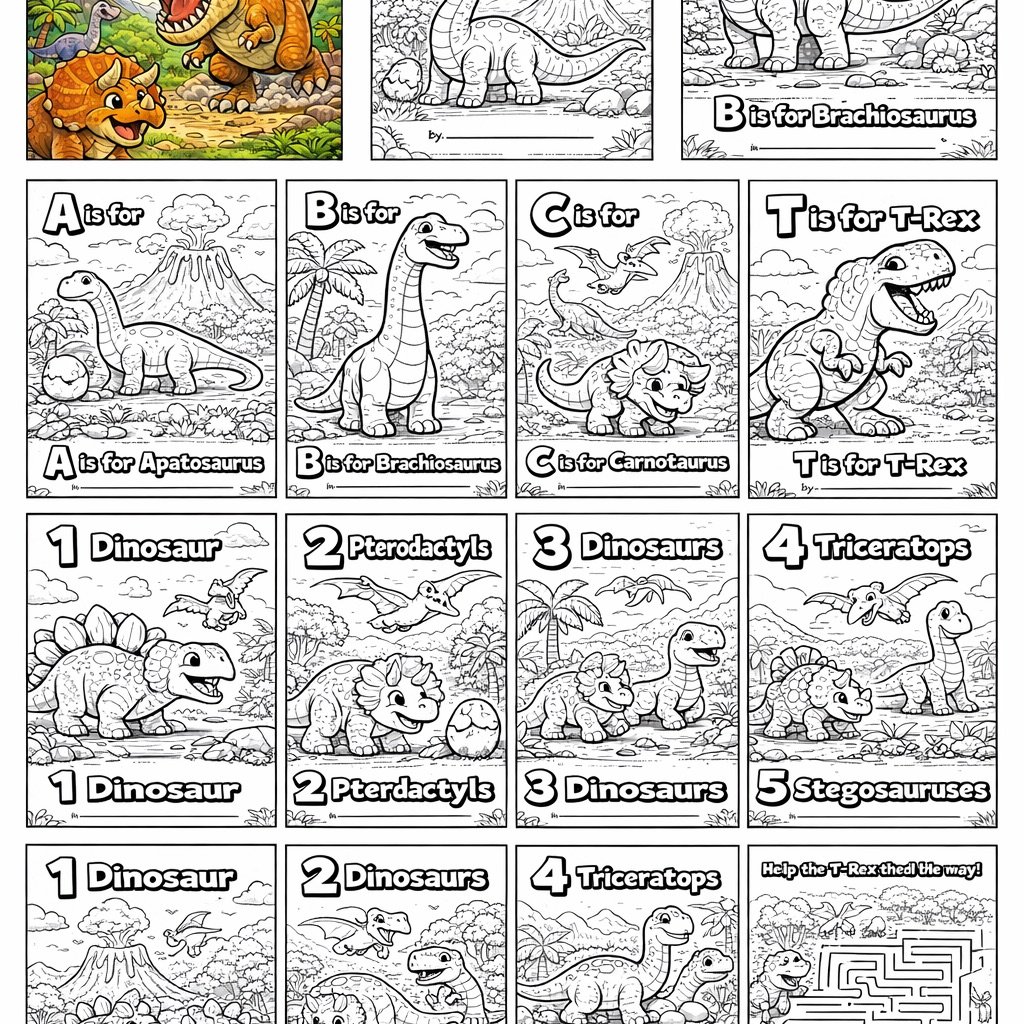
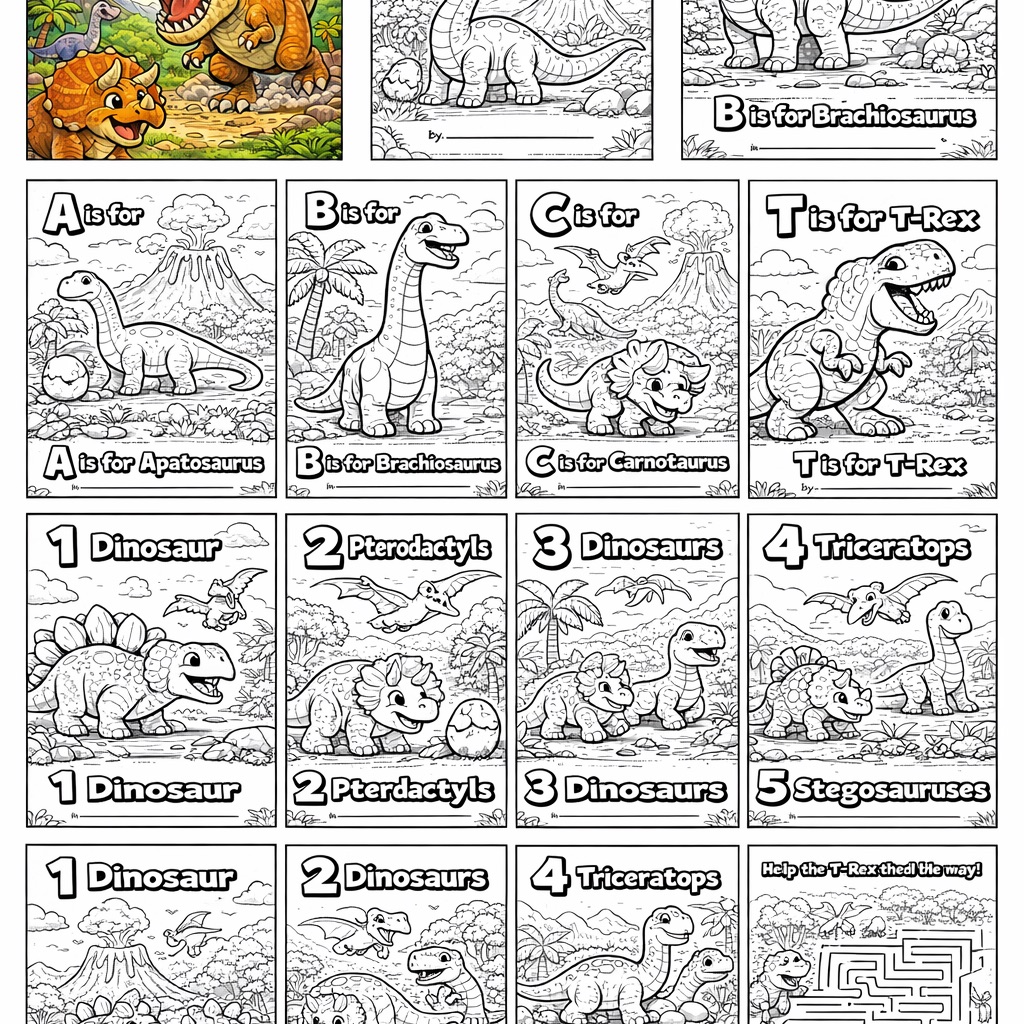
    Dinosaur Coloring Activity Pages - Black & White Printable Set

    While tablets and movies can provide a temporary distraction, they often lead to “screen fatigue” or, even worse, motion sickness. That is why I have become a huge advocate for physical, hands-on activities. Specifically, I love using printable activity pages for road trips with kids because they are easy to pack, easy to clean up, and keep little minds engaged with the world passing by outside the window.

    Why Paper and Pencil Beat the Screen

    It is tempting to just hand a child an iPad and hope for the best, but there are real developmental benefits to tactile activities. When kids use crayons, markers, or pencils, they are working on fine motor skills and hand-eye coordination. Unlike a touchscreen, a piece of paper requires a different kind of focus and physical control.

    Using printables also encourages a sense of observation. Instead of being lost in a digital world, these activities encourage children to look at the landscape, spot specific signs, or count passing cars. This keeps them connected to the journey rather than just waiting for it to end. Plus, from a parent’s perspective, printables are incredibly budget friendly. You don’t need to buy expensive new toys for every trip; you just need a printer and some paper.

    Tailoring Activities to Different Ages

    A toddler’s needs are vastly different from a ten-year-old’s. If you try to give a preschooler a complex word search, you’ll likely end up with a crumpled piece of paper and a crying child. To make your road trip successful, you need to curate your printable pack based on age.

    Toddlers and Preschoolers (Ages 2-4)

    At this age, activities should focus on shapes, colors, and simple recognition. Look for printables that feature:

    • Color-by-number sheets that use primary colors.
    • le Simple dot-to-dot puzzles.

    • Large-scale coloring pages with thick outlines.
    • “I Spy” sheets focusing on easy objects like “a red car” or “a big tree.”

    Keep these very simple. The goal here isn’t mastery, but keeping their hands busy while they observe the movement outside.

    Early Elementary (Ages 5-7)

    Kids in this bracket are starting to develop better reading and counting skills. This is the perfect time to introduce more educational elements into the car ride. You can include:

    • Alphabet scavenger hunts (finding things that start with A, then B, etc.).
    • Simple mazes that require a bit of spatial reasoning.
    • Basic math worksheets, like adding up the number of blue trucks they see.
    • Tracing activities to help refine their handwriting.

    Older Kids (Ages 8-12)

    Older children need mental stimulation to prevent boredom. They can handle much more complex tasks that require sustained attention. Try printing out:

    • Detailed word searches or crosswords.
    • Logic puzzles or Sudoku.
    • “Road Trip Bingo” where they have to find specific, harder-to-spot landmarks like a water tower or a specific fast-food logo.
    • Story starters where they write a short tale about the characters they see in the car.

    Safety and Practicality Tips for Car Activities

    As much as we want the kids to be entertained, we have to keep safety at the forefront. Never allow a child to hold a heavy or sharp object (like large scissors) while the car is in motion. Stick to crayons, washable markers, or colored pencils. Also, remind them that activities must stay within their seat area. If they start leaning too far into the aisle to reach a dropped crayon, it becomes a distraction for the driver.

    Another great tip is to use a small, sturdy clipboard. This provides a flat surface for writing, which is essential when the car is bumping along a highway. It also helps keep the papers organized so they don’t fly around the floor mats.

    Managing the Mess: Indoor vs Outdoor Mindsets

    When we think about travel, we often debate the indoor vs outdoor balance. Inside the car, the environment is cramped and controlled. Therefore, your activity kit should be “contained.” Avoid glitter, loose stickers that can get stuck in seat cracks, or anything that involves liquids.

    Think of your printable kit as a “contained” activity. Everything should be able to fit into a single zippered pouch. This makes it easy to pack up when you reach a rest stop or your destination, ensuring you aren’t spending your vacation cleaning crumbs and paper scraps out of the upholstery.

    How to Prepare Your Activity Pack

    Don’t wait until the morning of the trip to start printing. I recommend creating a “Road Trip Binder” a few days in advance. Here is a quick checklist for a stress-free setup:

    1. Print at least two extra copies of your favorite pages (accidents happen!).
    2. Organize pages into folders by age or difficulty.
    3. Pack a small pouch with crayons, a pencil, an eraser, and a small clipboard.
    4. Include a few “reward” stickers to celebrate completed pages.

    By preparing ahead of time, you turn a potentially stressful drive into a structured, engaging experience for your kids. It transforms the car from a “waiting room on wheels” into a mobile classroom and art studio.

    Ready to make your next family adventure a breeze? Start gathering your favorite printable templates today and turn those long highway stretches into time well spent!

    Our Top Picks

    Products we recommend:

    1. Activity Book For Kids: Colored Pages Of Activity Pages For Kids: Coloring Pages With Cute Animals, Mazes, Color By Number,

    Activity Book For Kids: Colored Pages Of Activity Pages For Kids: Coloring Pages With Cute Animals, Mazes, Color By Number,

    Activity Book For Kids: Colored Pages Of Activity Pages For Kids: Coloring Pages With Cute Animals, Mazes, Color By Number,

    by Indigo Books & Music

    $33.00

    Check Price →

    2. Dinosaur Coloring Activity Pages – Black & White Printable Set

    Dinosaur Coloring Activity Pages - Black & White Printable Set

    Dinosaur Coloring Activity Pages – Black & White Printable Set

    by Poshmark

    $10.00

    Check Price →

    3. Activity Books for Kids, Writing Exercises for Kids, Learning Materials for Homeschool Teaching, Travel, Road Trips, Airplane

    Activity Books for Kids, Writing Exercises for Kids, Learning Materials for Homeschool Teaching, Travel, Road Trips, Airplane

    Activity Books for Kids, Writing Exercises for Kids, Learning Materials for Homeschool Teaching, Travel, Road Trips, Airplane

    by OnBuy.com

    $42.74

    Check Price →

  • Printable Activity Pages For Road Trips With Kids

    Printable Activity Pages For Road Trips With Kids

    We’ve all been there. You’ve packed the snacks, the diaper bag is organized, and the GPS is set. Then, about twenty minutes into the drive, the dreaded “Are we there yet?” echoes from the backseat. It’s a sound that can strike fear into the heart of even the most seasoned traveler. Long stretches of highway are tough for little legs and even tougher for restless minds.

    While tablets and movies can provide a temporary distraction, they often lead to “screen fatigue” or, worse, motion sickness. That is why I always keep a folder of printable activity pages tucked into the seatback pockets. These paper-based games are a lifesa and a way to keep kids engaged without needing a Wi-Fi connection or a heavy charger.

    Why Paper Activities Beat Screens on Long Drives

    Relying solely on digital devices can be tricky. Batteries die, signal drops in remote areas, and staring at a bright screen in a moving car is a recipe for nausea. Printable activities offer a much-needed break for the eyes and provide a tactile experience that digital apps simply cannot replicate.

    Beyond the practical benefits, these pages offer real developmental perks. When kids engage with mazes, coloring sheets, or word searches, they are practicing fine motor skills, hand-eye coordination, and even basic literacy. It turns a boring car ride into a mini-learning session that feels like play.

    Tailoring Activities to Different Age Groups

    Not every child interacts with a coloring book the same way. A toddler needs something much simpler than a teenager. To make your trip successful, you should curate your printable pack based on the ages of your passengers.

    Fun and Simple Tasks for Little Ones

    If you are traveling with preschoolers, look for things that are best for toddlers and young children. At this age, their attention spans are short, so the activities should be visually stimulating and easy to complete.

    • Coloring Pages: Large, simple shapes like animals, cars, or suns are perfect.
    • none

    • Dot-to-Dot: Simple numbers (1-10) help with number recognition.
    • Sticker Scenes: If you can, print out scenes that allow them to use stickers. It’s great for their pincer grasp.
    • Shape Tracing: Simple dashed lines for circles and squares help with pre-writing skills.

    Engaging Older Kids and Pre-teens

    Once kids hit school age, they need a bit more of a challenge to stay occupied. They are capable of more complex logic and can handle tasks that require a bit of focus.

    • Word Searches: Theme them around the destination (e.0., “National Parks” or “Beach Vacation”).
    • Mazes: Intricate mazes can keep a seven-year-old busy for a solid thirty minutes.
    • I-Spy Lists: Print a checklist of things to look for out the window, like a red truck, a cow, or a water tower.
    • Sudoku: For kids who love numbers, a simple 4×4 or 6×6 grid is a great brain teaser.

    Brain Teasers for Tweens and Teens

    Even teenagers can be swayed by the right challenge. Instead of anything “babyish,” look for logic puzzles or creative prompts.

    • Cryptograms: These secret code puzzles are incredibly addictive.
    • Creative Writing Prompts: Give them a “What if…” scenario to write a short story about.
    • Logic Grid Puzzles: These require intense concentration and are great for long, monotonous stretches of highway.

    The Benefits of a Budget Friendly Approach

    One of the best parts about printables is that they are incredibly budget friendly. Instead of spending $20 on a new activity book at a gas station, you can spend a few cents on printer ink. You can print dozens of pages at home, allowing you to create a customized “activity menu” specifically for your child’s interests.

    This approach also allows you to be educational. If you are driving through a state known for its history or specific wildlife, you can print out fact sheets or scavenger hunts related to that specific region. It turns the scenery into a living classroom.

    Safety and Practicality Tips for Car Activities

    While we want the kids to be entertained, we also need to keep the car safe and tidy. A car full of loose crayons and scattered papers can quickly become a nightmare for the driver.

    First, always use a clipboard. This provides a sturdy surface for writing or coloring, which is essential when the car is turning or hitting bumps. Second, opt for washable markers or crayons rather than colored pencils, which can snap easily under pressure. Third, consider a small “activity bin” or a zippered pouch that stays in the seat pocket to prevent pieces from falling into the cracks of the seats.

    A quick note on motion sickness: If your child is prone to car sickness, avoid activities that require intense, close-up focus for long periods. Instead, encourage “looking out the window” games like the I-Spy list mentioned earlier, as looking at the distant horizon helps stabilize the inner ear.

    How to Prepare Your Activity Kit

    Don’t wait until you are in the driveway to start printing. Preparation is key to a peaceful departure. Follow this simple checklist:

    1. Gather your themes: Think about what your kids love (dinosaurs, space, animals).
    2. Print in advance: Do this a few days before the trip so you aren’t rushing.
    3. Laminate the “reusables”: If you have a laminator, print some I-Spy sheets and use dry-erase markers. This saves paper!
    4. Pack the supplies: Ensure you have crayons, markers, and a clipboard ready to go.

    If you’re feeling overwhelmed by where to find these pages, I highly recommend checking out online marketplaces or educational blogs. There are thousands of ready-to-print options waiting for you.

    Ready to make your next family adventure much smoother? Start browsing for some fun themes today and get your printing queue ready before the next big trip!

    Our Top Picks

    Products we recommend:

    1. Activity Book For Kids: Colored Pages Of Activity Pages For Kids: Coloring Pages With Cute Animals, Mazes, Color By Number,

    Activity Book For Kids: Colored Pages Of Activity Pages For Kids: Coloring Pages With Cute Animals, Mazes, Color By Number,

    Activity Book For Kids: Colored Pages Of Activity Pages For Kids: Coloring Pages With Cute Animals, Mazes, Color By Number,

    by Indigo Books & Music

    $33.00

    Check Price →

    2. Younger Kids Activity Pages

    Younger Kids Activity Pages

    Younger Kids Activity Pages

    by Knetbooks.com

    $10.00

    Check Price →

    3. Younger Kids Activity Pages

    Younger Kids Activity Pages

    Younger Kids Activity Pages

    by BiggerBooks.com

    $5.14

    Check Price →