I remember sitting on the floor of my living room when I was about five years old, staring intensely at a single sheet of paper. I had a pencil gripped in my hand, and my entire universe consisted of finding a tiny path through a series of winding black lines. I wasn’t just playing; I was on a mission. Looking back, that simple activity was doing much more for my brain than I realized at the time.
Mazes are often dismissed as mere “time-fillers” for long car rides or rainy afternoons. However, beneath the surface of those twisting paths lies a surprisingly effective workout for a developing mind. When a child sits down with a maze, they aren’t just tracing lines; they are engaging in a complex cognitive process that builds the foundation for logical thinking and persistence.
The Cognitive Workout Happening Under the Surface
Every time a child hits a dead end, something incredible happens in their brain. Instead of just stopping, they have to backtrack, re-evaluate their previous choices, and look for a new route. This is the essence of trial and all-out error learning. It teaches them that mistakes aren’t failures—they are simply data points that help them find the right way forward.
This process builds several key mental muscles:
- Spatial Awareness: Navigating a 2D drawing requires understanding how shapes and boundaries interact.
- Executive Function: Children have to plan their moves ahead of time, which strengthens their ability to focus and ignore distractions.
- Working Memory: They must remember which paths they have already explored so they don’t repeat the same mistakes.
- Visual Discrimination: Distinguishing between a clear path and a wall requires sharp visual processing.
Breaking Down Benefits by Age Group
Not all mazes are created equal. A maze that is too easy won’t provide any challenge, while one that is too complex can lead to frustration and a total loss of interest. Finding the age appropriate level of difficulty is the secret to keeping the learning benefits high.
Toddlers and Preschoolers (Ages 2-4)
For the youngest learners, the goal isn’t necessarily to reach a finish line. Instead, focus on “path-finding” activities. You might use simple, wide tracks where they can move a finger or a small toy car through a very clear, unobstructed route. These are best for toddlers because they focus on hand-eye coordination and basic directional concepts like “left,” “right,” “up,” and “down.” Look for mazes with large, chunky lines that are easy for small hands to follow.
Early Elementary (Ages 5-7)
At this stage, children are ready for more traditional paper-and-pencil mazes. They can handle dead ends and more intricate turns. This is where the real problem-solving begins. They start to develop the ability to “pre-scan” the maze with their eyes before they even touch the pencil to the paper. This predictive behavior is a huge milestone in cognitive development.
Older Children (Ages 8+)
For older kids, you can introduce 3D mazes, much more complex logic puzzles, or even mazes that require them to follow specific rules (like “you can only turn left”). These advanced challenges keep their brains engaged and prevent the “boredom slump” that often happens with repetitive tasks. At this age, the focus shifts toward strategic planning and complex pattern recognition.
Practical Tips for Parents and Educators
You don’t need an expensive subscription to a puzzle club to make this work. In fact, some of the most effective ways to use mazes are quite budget friendly. You can print them from free websites, draw them yourself on a whiteboard, or even use painter’s tape on the floor to create a “human-sized” maze for them to walk through.
Here are a few ways to level up the experience:
- Use different mediums: Let them trace paths in sand, with finger paint, or with sidewalk chalk. Changing the texture keeps the sensory engagement high.
- Narrate the process: If you see them getting stuck, don’t give them the answer. Instead, ask questions like, “What happened when you went down that left turn?” This encourages them to verbalize their logic.
- Introduce a timer: For kids who love a challenge, adding a stopwatch can turn a solo activity into a fun, competitive game against their own previous record.
Safety and Frustration Management
While we want to encourage challenge, we also need to watch for signs of overwhelm. If a child starts scribbling aggressively or pushing the paper away, the difficulty level is likely too high. It is vital to ensure the task remains a positive experience rather than a source of stress. If they hit a wall, offer a “hint” rather than a solution. A small nudge in the right direction can prevent a meltdown while still allowing them the satisfaction of finishing the task themselves.
Always ensure that any materials used—especially for younger children—are non-toxic and appropriately sized to avoid choking hazards. If you are using physical maze toys, check for small parts that might be problematic for very young kids.
Making Problem-Solving a Daily Habit
The beauty of mazes is that they don’t require a dedicated “study time.” They can be a quiet activity during a flight, a way to wind down before bed, or a fun way to spend a Sunday morning. By integrating these small puzzles into their daily routine, you are helping them build a toolkit of mental strategies that they will use for the rest of their lives.
If you want to start building these skills today, grab a simple set of printable mazes or a classic maze book. The goal isn’t perfection; it’s the journey through the twists and turns.
Ready to boost your child’s brainpower? Start small, keep it fun, and watch their confidence grow with every path they find!
Our Top Picks
Products we recommend:
1. Problem Solving Skills for Children, Ages 5-12

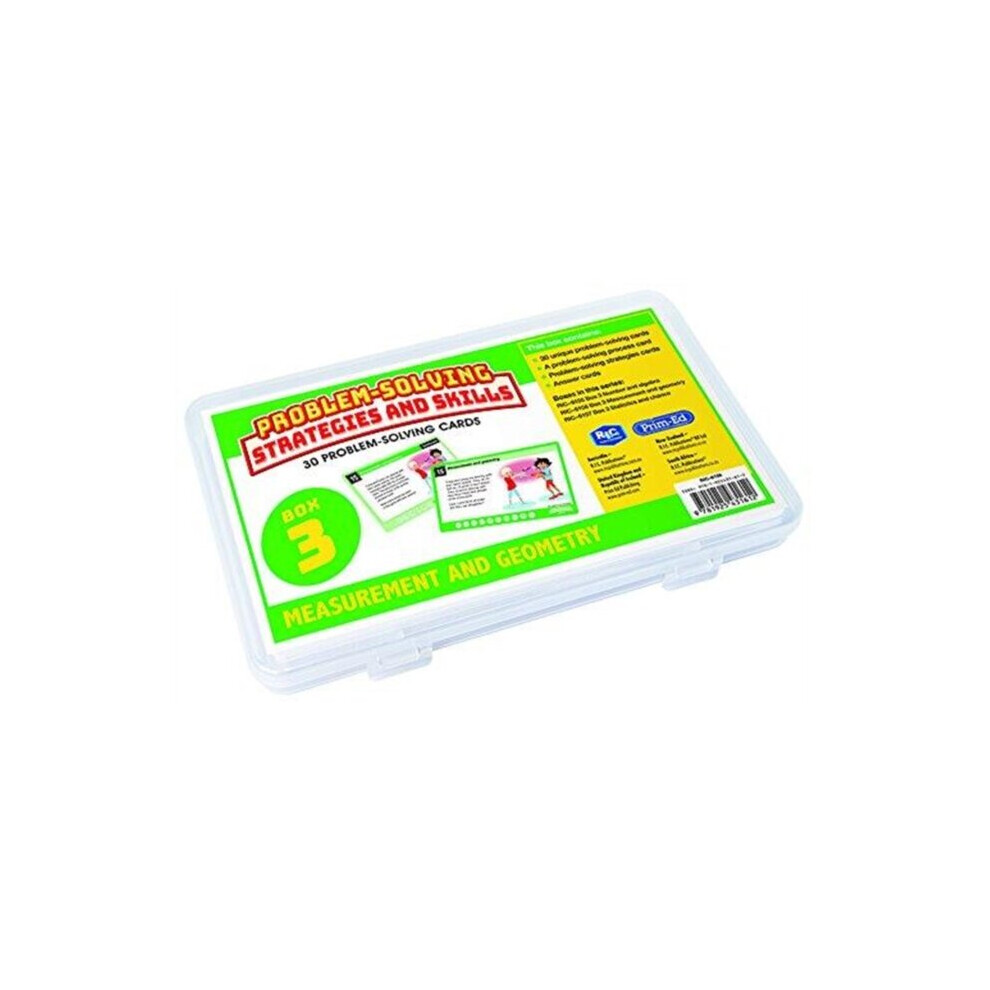
2. Problem-solving Strategies and Skills
3. Building Reasoning and Problem-Solving Skills in Children with Autism Spectrum Disorder (eBook)
Building Reasoning and Problem-Solving Skills in Children with Autism Spectrum Disorder (eBook)
by VitalSource
$27.49