Finding a way to keep a preteen engaged without a screen can feel like a massive uphill battle. One minute they are deeply focused on a complex logic problem, and the next, they are wandering toward the iPad. If you are looking for a way to bridge that gap, puzzle books are a fantastic tool. They offer a way to sharpen the mind while providing a sense of quiet accomplishment that video games often lack.

Between the ages of 8 and 12, kids are entering a developmental stage where their ability to think abstractly and handle complex instructions really starts to bloom. They aren’t just looking for simple shapes anymore; they want challenges that feel “grown-up.” This is the perfect time to introduce variety, ranging from math-based logic to linguistic riddles. I’ve spent a lot of time looking through different collections to find options that are both educational and genuinely fun, so let’s jump into what actually works for this age group.
Why Puzzle Books Are More Than Just a Way to Pass Time
When we talk about the benefits of puzzles, it isn’t just about preventing boredom. These books act as a workout for the brain. For an 8-to-12-year-old, the cognitive leaps are huge. They are moving from concrete operational thought to more formal, logical reasoning.
Working through a difficult Sudoku or a cryptic word search helps with several key areas:
- Problem-Solving Skills: Puzzles teach kids that if one strategy fails, they need to pivot and try a different angle.
- Attention to Detail: One small oversight in a logic puzzle can ruin the whole result, which encourages a higher level of focus.
- Patience and Resilience: Learning to sit with a difficult problem without getting frustrated is a life skill that carries over into schoolwork.
far Pattern Recognition: Spotting sequences in math puzzles or hidden words in grids builds foundational literacy and numeracy.
Top Recommendations for Logic and Math Lovers
If your child enjoys the satisfaction of “cracking the code,” you should look for books that focus on deduction. These types of puzzles are great for building mathematical literacy without feeling like a textbook.
Sudoku and Number Grids
Sudoku is a classic for a reason. For the 8-12 age range, I recommend starting with “Easy” or “Medium” difficulty levels. If the numbers are too sparse, they might get frustrated and quit. Look for books that include a few instructional pages at the beginning to teach the basic rules of elimination. It is a budget friendly way to introduce them to logical deduction.
Logic Grid Puzzles
These are slightly more complex. Instead of just numbers, kids have to use clues to determine which person lives in which house or which pet belongs to which child. It requires reading comprehension and deductive reasoning. These are excellent for kids who are transitioning into more advanced reading levels.
Math Mazes and Arithmetic Challenges
For the younger end of this bracket (ages 8 and 9), math mazes are a great way to practice multiplication and division. They follow a path of correct answers to reach the exit. It turns a standard math drill into a game, which significantly lowers the “math anxiety” many kids start to feel around this age.
Wordplay and Linguistic Adventures
Not every kid is a math whiz, and that is perfectly fine. If your child loves reading or storytelling, word-based puzzle books can be just as stimulating. These books help expand vocabulary and improve spelling in a way that feels like a scavenger hunt.
Cryptograms and Code Breaking
There is something incredibly satisfying about decoding a secret message. Cryptogram books use a simple substitution cipher where each letter is replaced by another. This is a fantastic way to keep them occupied during long car rides or rainy afternoons. It keeps the brain active and rewards persistence.
Advanced Word Searches and Crosswords
Avoid the “babyish” word searches. For kids aged 10-12, look for themed word searches—perhaps about space, history, or mythology. Crosswords are also great, but ensure they are age-appropriate. A crossword that is too difficult can feel like a chore rather than a hobby. The goal is to find that “sweet spot” of difficulty where they have to think, but they can still find the answers.
Practical Tips for Parents
As you browse through different options, keep a few practical things in mind to ensure the experience stays positive.
Consider the Setting
Think about where these books will be used. Are you looking for something for indoor vs outdoor use? A thick, heavy hardcover might be great for the kitchen table, but a lightweight, spiral-bound book is much better for travel or reading in the car. If they are using them during a flight, portability is key.
Safety and Supervision
While puzzle books are generally very safe, always check for age-appropriateness regarding content. Some “older” puzzle books might include themes or language that aren’t suitable for an 8-year-old. Additionally, if the books use small erasable markers or specialized pens, just keep an eye on them to prevent any messes on furniture.
Mix Up the Difficulty
I always suggest having at least two books at different difficulty levels. If they are having a “tough day” at school, a very easy puzzle book can be a relaxing way to unwind. On a weekend when they are feeling energetic and sharp, they can tackle the harder stuff. This prevents the frustration that leads to them abandoning the hobby altogether.
Final Thoughts on Building a Puzzle Habit
Introducing puzzle books into your child’s routine doesn’t have to be a grand gesture. It can be as simple as leaving a book on the coffee table or bringing one along on a weekend trip. The goal is to foster a sense of curiosity and a love for problem-solving.
By choosing books that match their current skill level and interests, you are providing them with tools that build confidence and mental stamina. It is a small investment that pays off in much larger cognitive benefits as they grow.
Ready to find the perfect challenge for your child? Start by checking out your local library or looking for highly-rated collections online to see which style resonates most with your kid’s personality!
Our Top Picks
Products we recommend:
1. Sloth 24 Piece Kids Puzzle – Fun & Educational Puzzle for Ages 4+

Sloth 24 Piece Kids Puzzle – Fun & Educational Puzzle for Ages 4+
by DiscountMags.com
$14.99
2. Colorful Wooden Kids Puzzle Toy – Educational Building Blocks for Ages 2-8
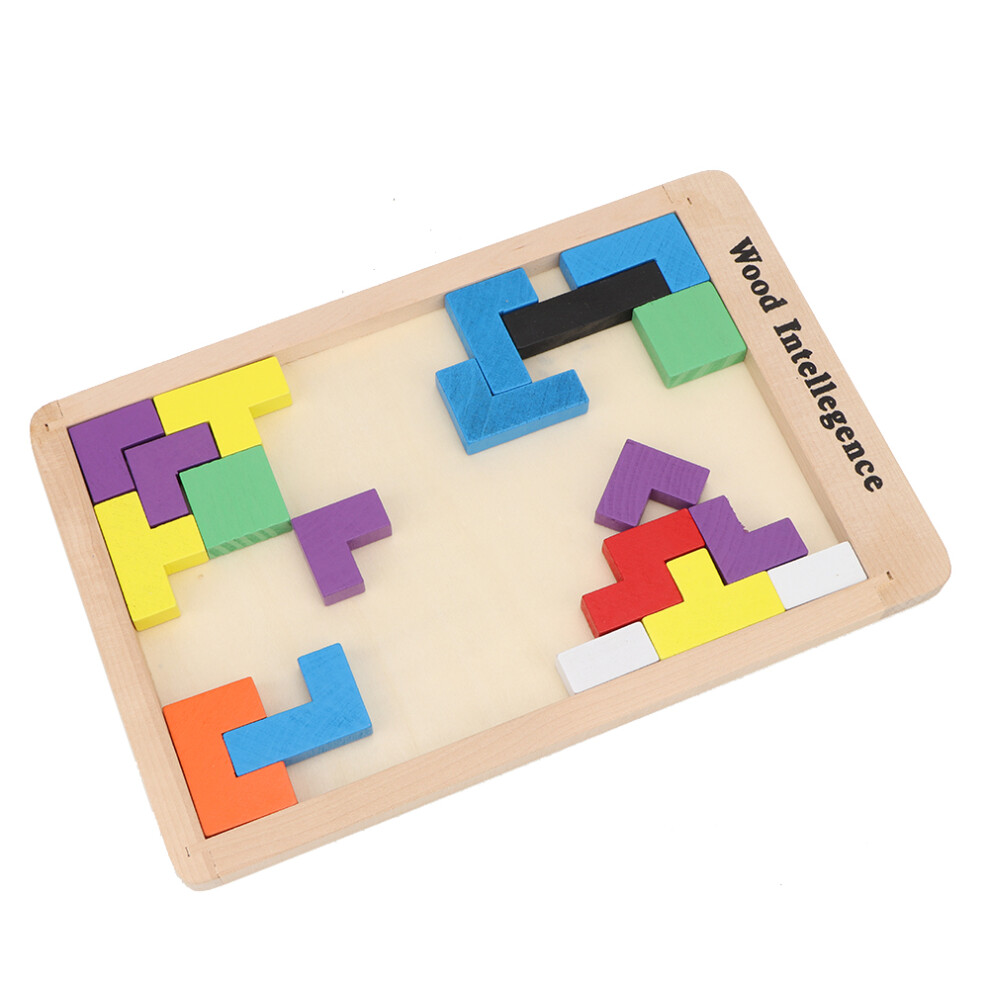
Colorful Wooden Kids Puzzle Toy – Educational Building Blocks for Ages 2-8
by OnBuy.com
$10.35
3. Halloween Coloring books for Kids ages 4-8: Halloween Coloring books for Kids ages 4-8

Halloween Coloring books for Kids ages 4-8: Halloween Coloring books for Kids ages 4-8
by Indigo Books & Music
$12.95