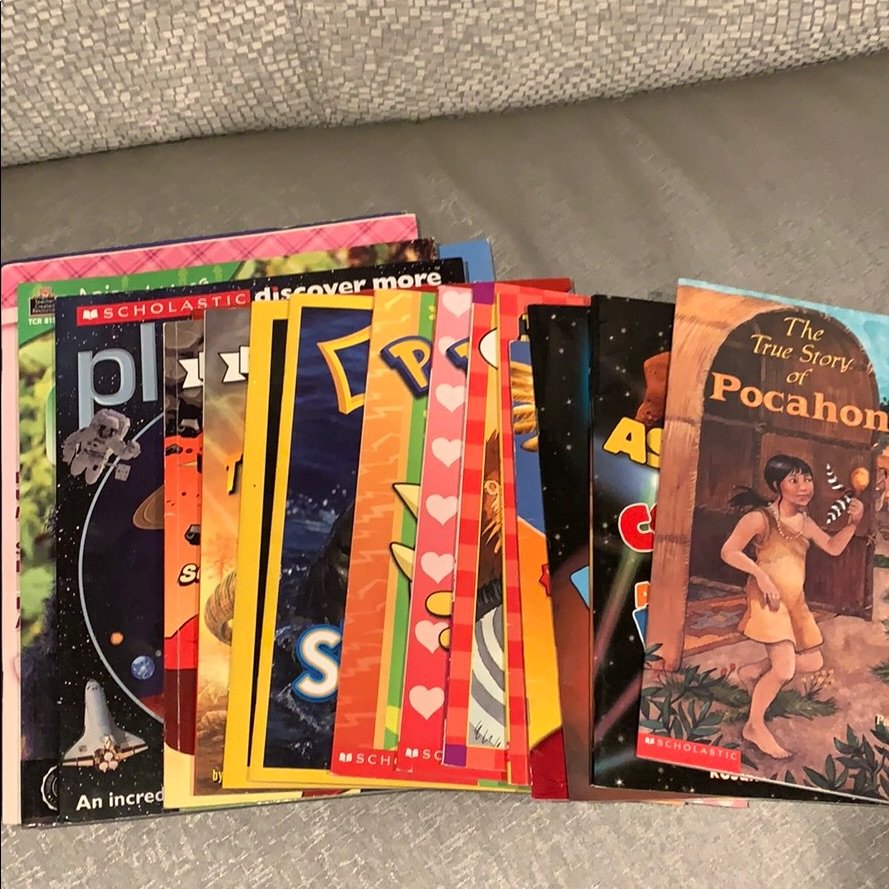
If you have ever spent a rainy afternoon trying to entertain a preschooler, you know that “boredom” can turn into a whirlwind of chaos pretty quickly. We all want to find activities that keep them occupied, but we also want those moments to actually mean something for their development. This is where puzzle books come in as a total lifesaver. Unlike a tablet screen, a physical book offers a tactile experience that helps little hands learn to focus and solve problems without the blue light fatigue.
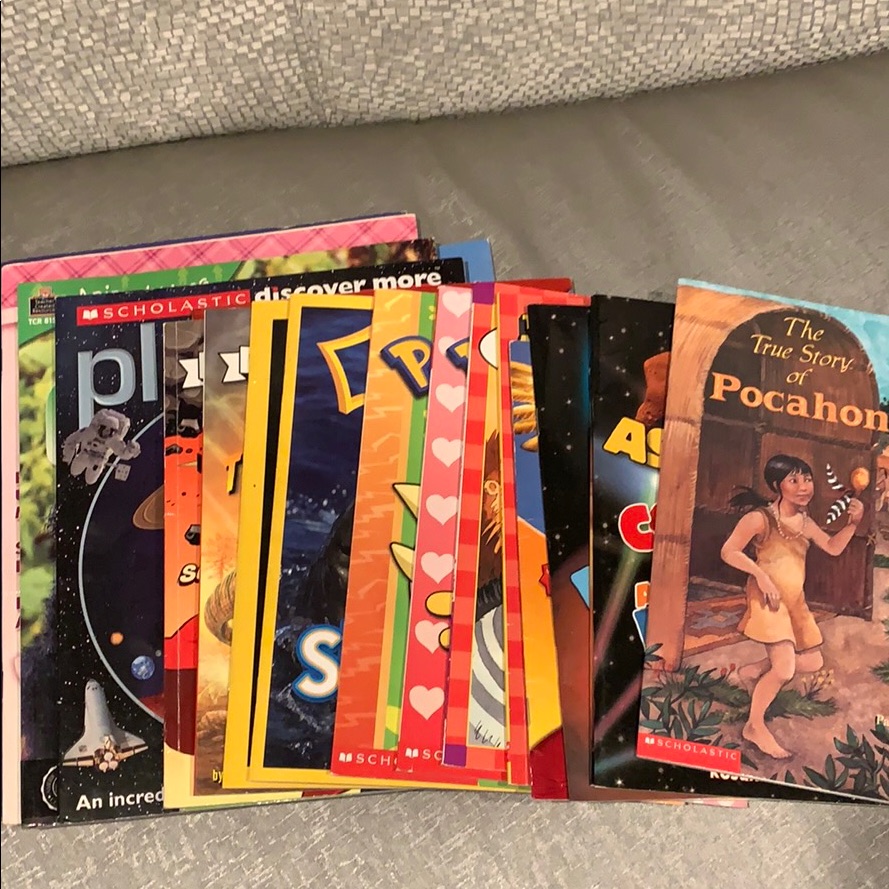
Finding the right balance is the tricky part. If a book is too hard, a child might get frustrated and throw it across the room. If it is too easy, they will lose interest in five minutes. For kids in the 3 to 5 age range, the goal is to find materials that feel like a game but secretly act as brain training. I have spent a lot of time looking through various options to find the ones that truly hit that sweet spot of being age appropriate and genuinely fun.
Why Puzzle Books Matter for Preschoolers
At this stage of life, your child’s brain is like a sponge, absorbing everything through trial and error. Puzzles are essentially controlled versions of that trial and error. When a child works through a logic puzzle or a matching game, they are building foundational cognitive skills that will serve them well when they eventually start formal schooling.
Building Fine Motor Skills
Holding a chunky crayon or a small finger puppet to trace a line in a book requires precise movements. These small actions strengthen the muscles in the hands and wrists. This physical development is the precursor to being able to hold a pencil correctly for writing later on.
Boosting Problem-Solving Abilities
Every time a child figures out which shape fits into which slot, or identifies a pattern in a sequence, they are practicing logic. They are learning to look at a problem, analyze the pieces, and find a solution. This builds a sense of competence and confidence that is vital for early childhood development.
Improving Concentration and Patience
In a world full of instant gratification, sitting down with a book requires a different kind of effort. Puzzles encourage “deep work” for toddlers. Learning to stay seated and focus on a single task for even ten minutes is a huge win for their attention span.
Top Recommendations for 3-Year-Olds
Three-year-olds are often just beginning to transition from simple sensory play to more structured activities. At this age, look for books that focus on recognition rather than complex logic. You want things that are highly visual and tactile.
- Dot-to-Dot Books: These are wonderful for teaching number sequencing and hand-eye coordination. Look for versions with very large, easy-to-follow numbers.
- Shape and Color Matching: Books that ask the child to find “the red circle” or “the blue square” are best for toddlers who are still mastering their color vocabulary.
- Sticker Activity Books: Stickers are the ultimate motivator. Using stickers to complete a picture helps with pincer grasp development and keeps them engaged much longer than a standard coloring book.
Safety First: A Quick Note on Materials
When buying books for the younger end of this age range, always check the binding and the materials. Small, detachable pieces or tiny plastic stickers can be a choking hazard for children who still occasionally put things in their mouths. Stick to sturdy, board-book style formats if your child is particularly rough on their belongings.
Leveling Up: Best Puzzle Books for 4 and 5-Year-Olds
Once a child hits four or five, you can introduce a bit more complexity. They are likely starting to recognize letters and numbers more consistently, so you can look for books that bridge the gap between play and early literacy.
- Simple Mazes: Mazes help with spatial awareness and planning. Start with wide paths that are easy to navigate with a crayon, and slowly move to more winding routes.
- Pattern Completion: These books present a sequence (like red, blue, red, blue) and ask the child to predict what comes next. This is a foundational math skill.
- I-Spy and Hidden Object Books: These are fantastic for visual discrimination. They require the child to scan a crowded image to find a specific item, which is great for building intense focus.
compatibility with indoor vs outdoor play: While these are obviously indoor activities, they are great for quiet time in a stroller or at a park bench during a picnic.
Preparing for Kindergarten
As they approach school age, you can introduce “pre-writing” books. These often feature tracing exercises for uppercase and lowercase letters. It doesn’t have to feel like homework; if the tracing involves drawing a path for a ladybug to follow, it stays in the realm of play.
How to Choose the Right Book for Your Child
Don’t feel pressured to buy the most expensive or “educational” looking book on the shelf. The most important factor is engagement. If your child loves animals, a math puzzle book about dinosaurs will be much more successful than a generic one.
Keep an eye on the complexity level. If you see a lot of tiny text or very intricate patterns, it might be too advanced. You want the child to feel the “win” of finishing a page. That feeling of success is what keeps them coming back to the book tomorrow.
Another tip is to consider the physical format. For a 3-year-old, a thick board book is much more durable than a thin paperback. For a 5-year-old, a larger workbook might be more comfortable as they start to use more complex movements.
Summary of Benefits
To wrap things up, let’s look at the quick wins you get from introducing these books into your daily routine:
- Enhanced fine motor control and grip strength.
- Early introduction to mathematical and literacy concepts.
- Increased ability to focus on single-task objectives.
- A much-needed quiet activity for travel or waiting rooms.
If you are looking to start a small library of these activities, start small. Pick one sticker book and one simple maze book to see how your little one reacts. You might be surprised at how much they enjoy the challenge!
Ready to find your child’s next favorite activity? Start browsing local bookstores or online retailers for “preschool logic puzzles” and see which themes capture their imagination!
Our Top Picks
Products we recommend:
1. Wooden Chess Toy for Kids, Educational Memory Puzzle, Ages 5+

2. Kids^3D Dinosaur Puzzle Educational Toy for Ages 5+ Bright Colourful Design

Kids^3D Dinosaur Puzzle Educational Toy for Ages 5+ Bright Colourful Design
by OnBuy EU
$47.24
3. Sloth 24 Piece Kids Puzzle – Fun & Educational Puzzle for Ages 4+

Sloth 24 Piece Kids Puzzle – Fun & Educational Puzzle for Ages 4+
by DiscountMags.com
$14.99