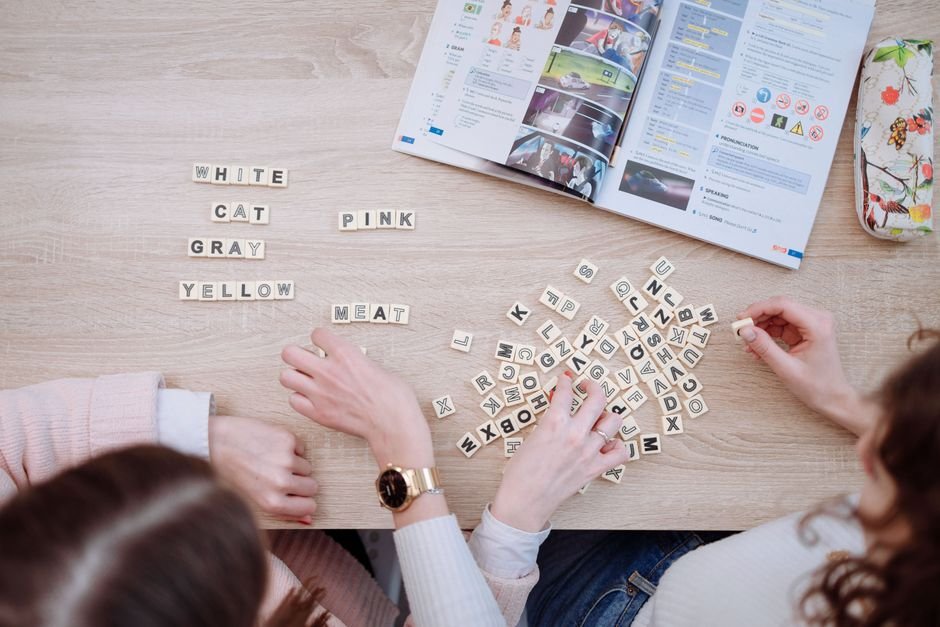
I remember sitting on my living room floor with a pile of colorful cardboard scraps, trying to figure out if a blue piece belonged to the sky or the ocean. That feeling of “aha!” when a piece finally clicks into place is exactly what we want for our little ones. Between the ages of three and five, children are tiny scientists, constantly testing how things fit together and why certain patterns repeat.
Finding ways to keep them engaged without relying on a tablet can feel like a challenge. You want something that feels like play but actually helps them develop critical thinking skills. That is where puzzle books come in. They are portable, quiet, and provide a wonderful way to build focus during those high-energy years.
Why puzzle books matter for preschool development
At this stage of life, your child’s brain is like a sponge. They aren’t just having fun; they are building the foundation for math and literacy. When a toddler works through a visual logic puzzle, they are practicing spatial awareness—understanding how shapes occupy space.
These books offer several developmental wins:
- Fine motor skills: Using a crayon or pencil to trace lines or circle answers strengthens the small muscles in their hands.
- Problem-solving: Navigating a maze helps them learn that actions have consequences and that there is often more than one way to find a solution.
- Attention span: Completing a single page provides a sense of accomplishment, which encourages them to sit with a task for longer periods.
- Cognitive growth: Sorting by color, size, or shape builds the early logic skills needed for future math curriculum.
The difference between indoor vs outdoor learning
While we often think of learning as something that happens at a desk, it is helpful to view puzzle books as an “indoor” tool that complements “outdoor” exploration. While playing outside helps with gross motor skills and sensory input, puzzle books provide the quiet, concentrated cognitive work that balances that physical energy. They are perfect for rainy days, long car rides, or waiting at a doctor’s office.
Top recommendations for 3-year-olds: Focus on shapes and colors
Three-year-olds are just beginning to master the basics of logic. At this age, you want books that are highly visual and require very little reading. Look for “age appropriate” content that focuses on recognition rather than complex instructions.
I suggest looking for books that feature:
- Dot-to-dot puzzles: These help with number sequencing and hand-eye coordination.
- Color matching: Simple activities where they draw a line from a red apple to a red bucket.
- Big, chunky illustrations: Avoid books with tiny, cluttered images that might frustrate a child still developing their visual focus.
A great example is any workbook centered on “Pre-Writing Skills.” These aren’t just about letters; they use wavy lines and loops to prepare little fingers for the grip needed for writing later on.
Moving up to age 4: Introducing patterns and mazes
Once a child reaches four, their ability to follow multi-step directions increases significantly. They can start handling slightly more complex “educational” challenges. This is the year where mazes become incredibly satisfying for them.
At this level, look for books that introduce:
- Simple Mazes: Not the terrifyingly difficult ones found in adult books, but paths with wide lanes and few dead ends.
- Pattern Completion: Identifying that a sequence goes “circle, square, circle…” and predicting the next shape.
- Hidden Object Puzzles: These are fantastic for improving visual discrimination and patience.
These activities help bridge the gap between simple recognition and actual logical reasoning.
Best of the best for 5-year-olds: Preparing for Kindergarten
Five-year-olds are often on the cusp of starting formal schooling. They can handle much more “instruction-heavy” books. This is the time to introduce puzzles that involve basic counting, simple addition, and even early phonics.
Look for books that offer a variety of tasks, such as:
- Logic grids: Very simple versions where they use clues to figure out which animal belongs to which owner.
- Letter tracing and identification: Connecting the dots of letters or finding all the “B”s in a group of shapes.
- Counting and sorting: Counting how many stars are in a cloud and circling the correct number.
At this age, the goal is to make them feel like “big kids.” Choosing books that look slightly more advanced can boost their confidence as they enter a classroom environment.
A quick note on safety and supervision
Even though puzzle books are generally very safe, there are a few things to keep in mind. If the book comes with loose stickers or small crayons, always supervise younger children to prevent choking hazards. Additionally, ensure that any markers used are non-toxic and easy for small hands to grip. It is also a good idea to periodically check the content to ensure it remains age appropriate for your child’s specific developmental pace.
How to keep puzzle time fun and frustration-free
The biggest mistake parents make is pushing too hard. If your child gets frustrated with a difficult maze, don’t force them to finish it. The goal is to foster a love for learning, not to create a sense of dread around “work.”
Try these tips instead:
- Do it together: Sit next to them and work on your own “adult” puzzle or even just follow along with their book.
- Celebrate the small wins: A huge cheer when they finish a page goes a long way in building their self-esteem.
- Rotate your books: Don’t leave every book out at once. Bring out a new one every few weeks to keep the novelty alive.
Ultimately, these books are just tools. Whether they are using them to master numbers or simply to pass the time on a plane, the real value lies in the curiosity they spark. If you start seeing your child eagerly grabbing their book during downtime, you know you’ve found a winner.
Are you looking to expand your child’s library? Check out our curated collection of age-specific workbooks and puzzle sets today to find the perfect match for your little learner!