Do you remember those rainy afternoons spent hunched over a page, circling letters with a bright colored marker? For many of us, word searches were just a way to pass the time. But for a developing child, that simple activity is actually doing some heavy lifting for their brain. If you are looking for ways to boost your child’s literacy without making it feel like a grueling study session, puzzles might be your secret weapon.
Learning new words doesn’t always have to involve flashcards or repetitive spelling tests. Sometimes, the best way to get a word to stick is to let a child hunt for it. When they find “elephant” hidden vertically among a sea of random letters, they aren’t just completing a task; they are visually processing the structure of that word.
The Cognitive Benefits of Letter Hunting
At first glance, a word search looks like a simple game of “I Spy.” However, underneath the surface, several developmental processes are happening simultaneously. When a child scans a grid, they are practicing pattern recognition, which is a foundational skill for both reading and mathematics.
Visual discrimination is another big win here. To find a specific word, a child must be able to distinguish between similar-looking letters, like ‘b’ and ‘d’ or ‘p’ and ‘q’. This ability to notice minute differences is essential for preventing reading errors as they progress into more complex literature.
Focus and concentration also get a significant workout. Unlike the rapid-fire stimulation of a tablet screen, a word search requires sustained attention. A child has to stay engaged with the page for several minutes at a time, which helps build the “attention muscle” needed for classroom learning.
How Puzzles Build a Stronger Vocabulary
Vocabulary acquisition is often about exposure and repetition. Word searches provide both in an educational format that feels low-pressure. Here is how the mechanics of the game actually help words stick:
- Spelling Reinforcement: As children trace each letter with their eyes or a pencil, they are mentally spelling the word. This reinforces the correct sequence of letters in their long-term memory.
- Contextual Grouping: Most word searches are themed—animals, space, or ocean life. Seeing words like “whale,” “shark,” and “dolphin” grouped together helps children create mental associations between related concepts.
- Word Recognition Speed: The more often a child encounters a specific string of letters in a puzzle, the faster they will recognize that word when they encounter it in a book.
Breaking Down the Learning Process
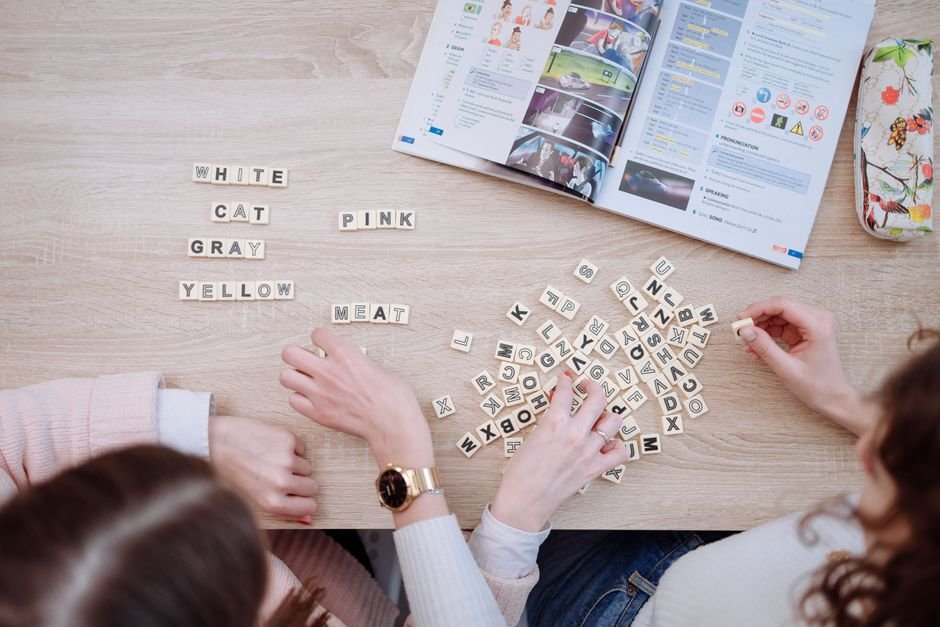
It is helpful to think of word searches as a multi-sensory experience. They involve sight (scanning the grid), touch (writing or circling), and often even sound (if you read the words aloud as you find them). This multi-sensory approach is age appropriate for various developmental stages, allowing you to scale the difficulty as they grow.
Finding the Right Difficulty Level
Not all word searches are created equal. To keep a child from getting frustrated or bored, you need to match the puzzle to their current skill level. Using an overly difficult puzzle can lead to “math anxiety” but for literacy, which is something we definitely want to avoid.
Toddlers and Preschoolers
For the very youngest learners, traditional word searches might be too advanced. Instead, look for activities that are best for toddlers, such as “letter finding” games where they simply identify a specific letter in a large format. At this stage, you can use very simple grids (perhaps 5×5) with only three or four very short words like “CAT” or “SUN.”
Early Elementary (Ages 6-8)
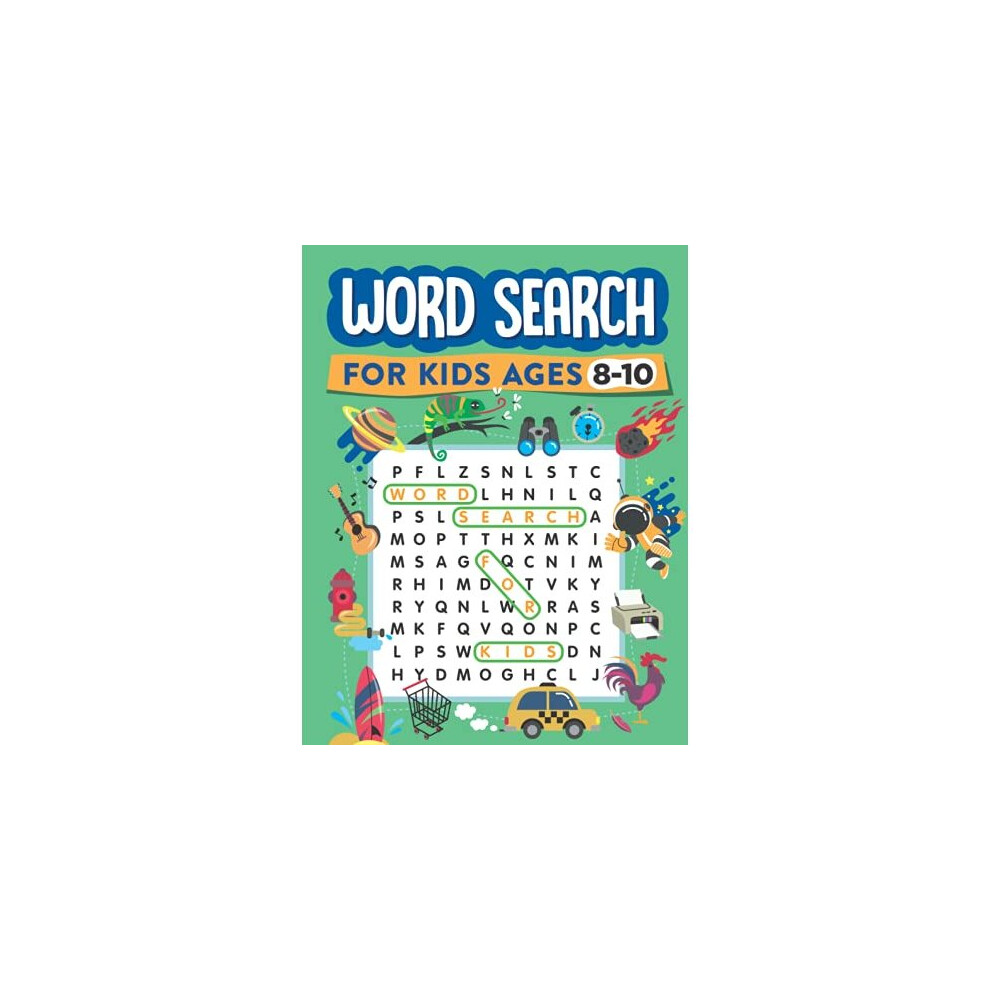
Once they have mastered basic phonics, you can introduce standard word searches. Focus on themes they love, like dinosaurs or fairy tales. At this age, keep the words horizontal and vertical only—avoid diagonals or backwards words to prevent unnecessary frustration.
Older Children (Ages 9+)
For older kids, you can ramp up the challenge. Introduce diagonal words, overlapping letters, and much larger grids. You might even try “cryptic” word searches where you provide a clue instead of the word itself, forcing them to solve a riddle before they can start hunting.
Safety and Healthy Habits
While puzzles are incredibly beneficial, it is always wise to keep a few practical things in mind. If you are using digital word search apps, ensure they are ad-free and do not contain unmonitored social features. For physical books, make sure the paper quality is good to avoid eye strain from tiny, cramped text.
Additionally, use these puzzles as a supplement rather than a replacement for reading aloud. The goal is to use the puzzle as a “bridge” to deeper literacy. If they find the word “Astronaut” in a puzzle, that is the perfect moment to ask, “What do you think an astronaut does?” This turns a simple game into a conversation about new concepts.
Practical Tips for Parents
If you want to turn puzzle time into a real learning opportunity, try these small tweaks:
- Use Color Coding: Give them different colored highlighters. Using blue for animals and green for plants makes the visual experience more engaging.
- Read Aloud Together: As your child finds a word, have them say it out loud. This connects the visual symbol to the spoken sound.
- Create Your Own: For an extra challenge, write a list of “secret words” and ask them to hide them in a grid they draw themselves. This requires them to think about letter placement and structure.
Ultimately, word searches are a gentle way to foster a love for language. They turn the hard work of learning into a rewarding scavenger hunt.
Ready to boost your child’s reading skills? Grab a pack of themed word search books today and start hunting for words together!