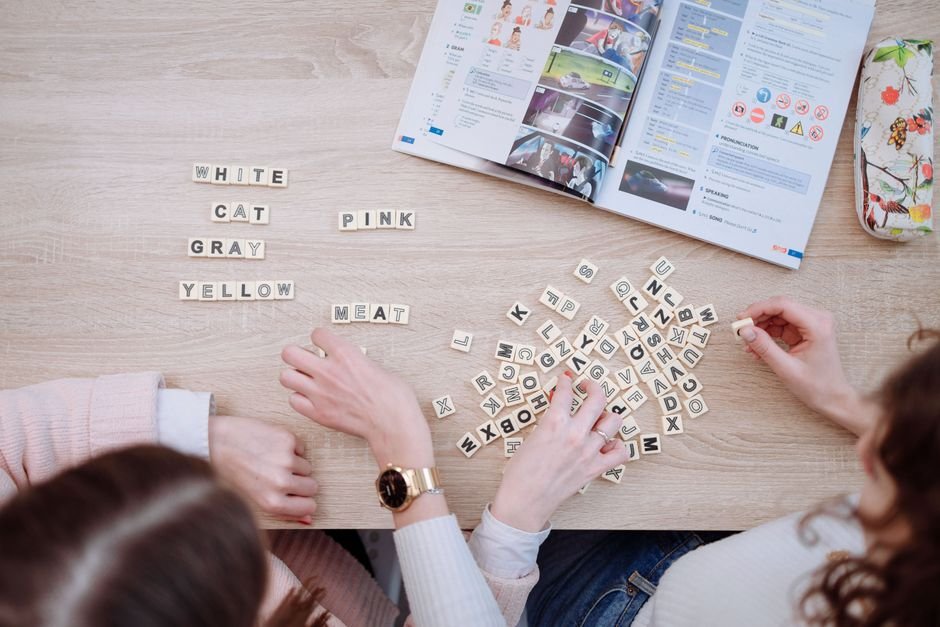
If you have ever sat in a waiting room or a long car ride with a six-to-ten-year-old, you know that “I’m bored” can become a repetitive soundtrack very quickly. We all want to find ways to keep our kids engaged without immediately reaching for a tablet or a smartphone. While screens have their place, there is something special about sitting around a kitchen table with a physical book, a pencil, and a tricky logic problem that needs solving.
Finding the right balance between “too easy” and “infuriable” is the trickiest part of picking out activity books. At this age, kids are transitioning from simple picture recognition to complex logical reasoning and reading comprehension. A book that works for a first grader will likely feel like baby work to a fifth grader. I have spent a lot of time looking through various activity sets to find the ones that actually keep kids focused rather than just causing frustration.
Why puzzle books are more than just time-fillers
It is easy to view these books as mere distractions, but they actually serve as incredible tools for cognitive growth. When a child works through a Sudoku grid or a word search, they aren’t just passing time; they are practicing specific mental muscles.
Building problem-solving stamina
One of the biggest benefits I have noticed is how these books help develop persistence. Unlike a video game that might provide instant gratification through flashy animations, a puzzle requires a child to sit with a problem, try a solution, fail, and then rethink their strategy. This builds mental grit that carries over into their schoolwork and math homework.
Improving fine motor skills and literacy
For the younger end of this bracket, particularly six and seven-year-olds, the physical act of circling words or drawing lines helps with hand-eye coordination. Additionally, word-based puzzles naturally expand vocabulary and spelling abilities without making it feel like a vocabulary test.
Top recommendations for 6 to 7 year olds
At this stage, kids are still building their reading stamina. You want books that rely heavily on visual cues and simple instructions. Avoid anything with dense paragraphs of text that might discourage them before they even start.
- Mazes and Pattern Recognition Books: Look for books that focus on “pathfinding.” These help children understand spatial awareness and directionality (left, right, up, down).
- Beginner Word Searches: At age six, the letters should be large and the words should be easy to spot. This builds confidence in their ability to scan text.
- Dot-to-Dot Adventures: These are great because they integrate number sequencing with a visual reward at the end. It keeps them motivated to finish the sequence.
If you are looking for something budget friendly, many local libraries carry these early-level activity books in their children’s section. There is no need to buy every new release when you can rotate through library finds.
Engaging challenges for 8 to 10 year olds
Once a child hits eight or nine, they are ready for much more complex logic. This is the age where “brain teasers” become much more effective. They can handle multi-step instructions and deeper levels of concentration.
Logic Grids and Sudoku
Sudoku is a fantastic introduction to deductive reasoning. It isn’0t about math; it is about patterns and elimination. For 8-to-10-year-olds, start with the “Easy” or “Junior” versions. If you jump straight into the advanced levels, they might give up entirely.
Cryptograms and Secret Codes
Kids this age absolutely love the idea of a secret message. Books that teach them how to use a substitution cipher or a simple code are incredibly engaging. It feels like being a spy, which makes the “learning” part feel like a game.
Rebus Puzzles
These are visual puzzles where pictures and letters represent words or phrases. They are excellent for lateral thinking—the ability to look at a problem from a non-obvious angle. They are also great for indoor vs outdoor play, as you can write them on a chalkboard or even use sidewalk chalk to create “puzzles” on the driveway.
A quick note on safety and developmental pacing
While puzzle books are generally very safe, it is always worth keeping an eye on how your child reacts to the difficulty level. If you notice them getting tearful or throwing the pencil, the book might be too advanced. Puzzles should feel like a “fun challenge,” not a source of anxiety.
Also, keep in mind that while these books are great for developing focus, they aren’t best for toddlers who are still in the sensory-exploration phase. For the 6-10 age group, ensure you are providing plenty of physical breaks. A child can spend an hour on a puzzle, but they also need to move their bodies to maintain healthy development.
How to create a “puzzle station” at home
To make these books more successful, I recommend creating a dedicated space for them. You don’t need a fancy setup—just a small bin or a tray kept in a consistent spot.
- Include a variety of writing tools: some thick markers, some fine-tip pencils, and maybe even some colorful erasers.
- Add a timer: Sometimes, setting a “10-minute challenge” can help kids who struggle to start tasks.
- Keep it accessible: If the books are hidden on a high shelf, they won’t be used. Keep them at eye level where your child can grab one during downtime.
By making puzzles a regular part of your household routine, you are helping your child develop much more than just logic skills; you are teaching them how to enjoy the process of learning for its own sake.
Are you looking to spice up your child’s downtime this week? Head to your local bookstore or library and look for a “Logic Starter” kit. Your future, more patient self will thank you!