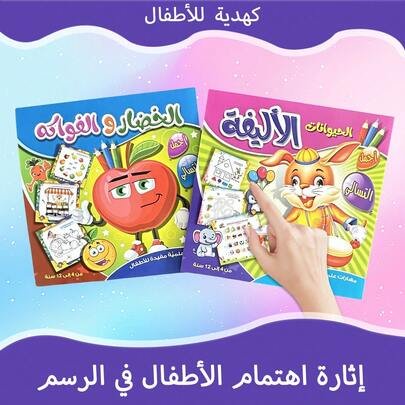
Finding a way to keep a five-to-eight-year-old engaged without handing them a tablet can feel like a full-time job. We’ve all been there: it’s a rainy afternoon, the energy in the house is rising, and you just need twenty minutes of quiet time to finish a cup of coffee or tackle a quick chore. This is exactly where puzzle books step in as a lifesaver. They aren”t just about killing time; they are incredible tools for building the kind of focus and problem-solving skills that kids will use for the rest of their lives.

When kids are in this specific age bracket, their brains are undergoing a massive transformation. They are moving from simple recognition to complex logic. A good puzzle book provides a playground for this development, offering challenges that feel like play rather than homework. In this guide, I’ve rounded up some of the best options that balance fun with actual learning, helping you find something that is truly age appropriate for your little one.
Why Puzzle Books are Better Than Screen Time
Screens offer instant gratification, which is great for a quick distraction but doesn’t exactly build stamina. Puzzle books, on the other hand, require a child to slow down. They have to scan a page, identify patterns, and physically move a pencil. This tactile experience is vital for fine motor skills and hand-eye coordination.
Beyond the physical benefits, these books foster a sense of “productive struggle.” When a child hits a difficult Sudoku or a tricky word search, they don’t just quit—they try a different angle. This builds resilience. Unlike a video game that might reset after a loss, a puzzle book stays right there, waiting for them to find the solution. It’s a quiet, educational way to boost cognitive function without the blue light fatigue.
Top Picks for 5-6 Year Olds: Building Foundations
At five and six, children are still mastering the basics of literacy and numeracy. You want books that focus on visual discrimination, simple counting, and letter recognition. The goal here is to build confidence through achievable wins.
Mazes and Visual Tracking
Mazes are the gold standard for this age group. They help kids practice visual tracking—the ability of the eyes to move smoothly across a line or shape. This is a foundational skill for reading. Look for mazes that start wide and easy, gradually becoming more narrow and complex.
Dot-to-Dot Adventures
Dot-to-dot books are wonderful because they combine math with art. As they connect numbers in sequence, they are reinforcing number order. Plus, once the numbers are done, they have a coloring page! It’s a two-for-one win that keeps them occupied much longer than a standard coloring book.
Simple Word Searches
Avoid the massive, dense grids. Instead, look for books that use large print and simple, 3-to-5 letter words. This helps them recognize spelling patterns without feeling overwhelmed by a sea of letters.
Top Picks for 7-8 Year Olds: Stepping Up the Logic
Once a child hits seven or eight, they are ready for more abstract thinking. They can handle multi-step instructions and are starting to understand more complex relationships between numbers and words.
Introductory Sudoku
Sudoku is often intimidating to adults, but for a second or third grader, it’s a fantastic logic builder. Look for “4×4” grids rather than the standard 9×9. These smaller grids teach the core concept of “no repeats in a row or column” without the frustration of a massive, empty board.
Logic Grid Puzzles
These are like mini-detective stories. A child might be given clues like “The blue dog is not next to the red ball” and have to deduce the positions of various items. These are incredible for developing deductive reasoning and reading comprehension.
Cryptograms and Code Breaking
Kids this age love secrets. Cryptogram books, where they have to substitute letters to reveal a hidden message, turn literacy into a spy mission. It encourages them to look closely at letter frequency and patterns, which is a high-level linguistic skill.
How to Choose the Right Book for Your Child
Not all puzzle books are created equal. To avoid the “I’m bored” or the “This is too hard” meltdown, keep these three things in mind:
- Difficulty Progression: Always look for books that start easy. A child needs to feel successful in the first five minutes to stay motivated for the next thirty.
- Interest Alignment: If your child is obsessed with dinosaurs, find a dinosaur-themed puzzle book. The subject matter acts as an extra layer of engagement.
- Physical Format: For younger kids, larger pages are better. For older kids, something portable is great for travel or waiting rooms.
It is also helpful to consider the indoor vs outdoor setting. If you are planning a long car trip, a thick, heavy workbook might be cumbersome. A slim, lightweight puzzle pad is much easier to manage on a lap in a cramped seat.
A Quick Note on Safety and Supervision
While puzzle books are generally very safe, there are a few practical things to watch for. If you are choosing books that include stickers, keep an eye on younger toddlers who might try to put them in their mouths. Additionally, if the book is part of a “cut-out” activity set, ensure your child is using safety scissors under supervision to prevent any accidental nicks.
Lastly, keep an eye on the frustration levels. While we want them to struggle a little, if you see them getting genuinely upset, step in. You don’t have to solve it for them; just offer a hint or work on the next puzzle together. The goal is to foster a love for learning, not a fear of mistakes.
Final Thoughts on Keeping the Spark Alive
The best way to ensure these books don’t just collect dust on a shelf is to make them part of your routine. Set aside “puzzle time” during breakfast or as a wind-down activity before bed. When they solve a particularly tricky one, celebrate it! That small burst of praise reinforces the idea that hard work and thinking are rewarding.
Ready to upgrade your rainy-day toolkit? Grab a couple of these different styles and see which one your little explorer gravitates toward first!
Our Top Picks
Products we recommend:
1. Wooden Chess Toy for Kids, Educational Memory Puzzle, Ages 5+

2. 5 Total Cd Rom Educational Books For Ages 4-8
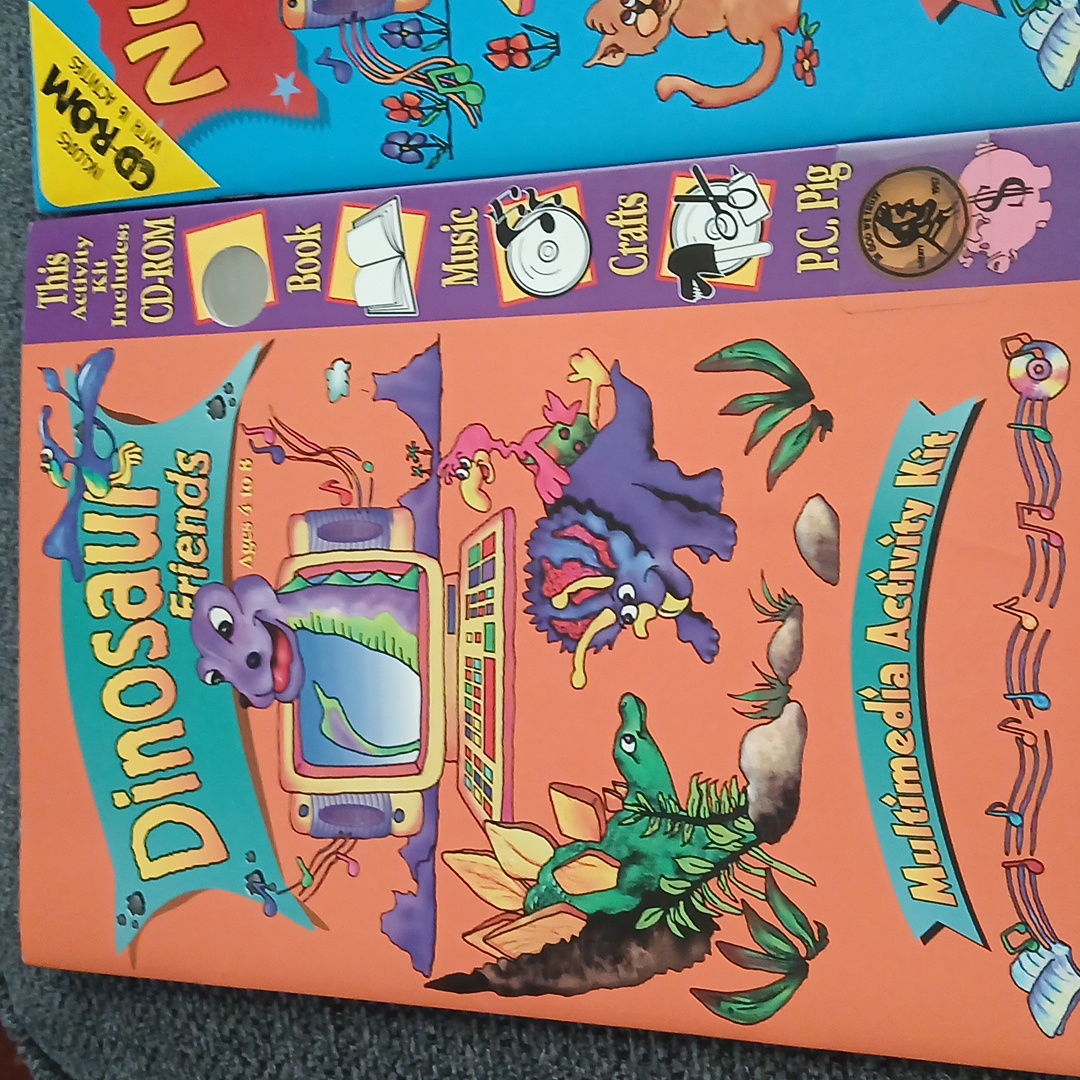
3. CROSSWORDS FOR KIDS: BEST PUZZLE BOOK FOR AGES 8 AND UP
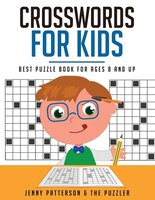
CROSSWORDS FOR KIDS: BEST PUZZLE BOOK FOR AGES 8 AND UP
by Indigo Books & Music
$11.94