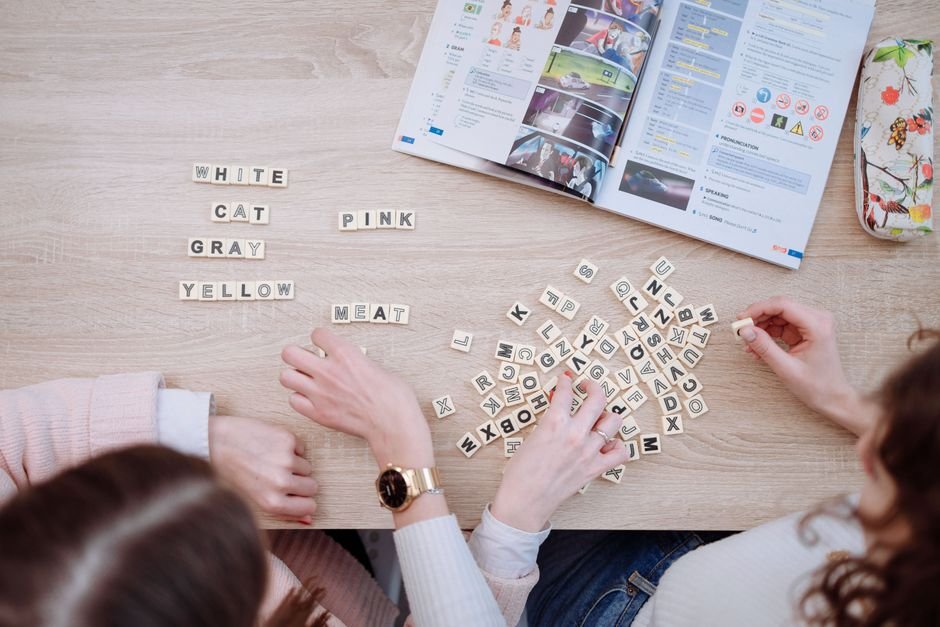
We have all been there. It is a rainy Tuesday afternoon, the tablets are starting to feel like a bit too much screen time, and you can hear the restless energy building in your living room. You want to find something that keeps them occupied, but you also want them to be doing something that actually helps their brains grow. This is where puzzle books become your secret weapon.
Between the ages of 5 and 8, a child’s brain is like a sponge, soaking up logic, patterns, and language skills at an incredible rate. Finding the right balance between “too easy” (which leads to boredom) and “too hard” (which leads to frustration) can feel like a guessing game. The good news is that you don’t need a degree in child development to pick winners. You just need to know what types of challenges match their current milestones.
Why Puzzles are More Than Just Quiet Time
While it is tempting to view puzzle books as just a way to get some peace and quiet, the developmental perks go much deeper than mere distraction. When a child sits down with a word search or a logic grid, they are practicing several high-level cognitive functions at once.
- Problem-solving stamina: Puzzles teach kids how to sit with a challenge without giving up immediately.
- Fine motor skills: Using a pencil to trace letters or connect dots strengthens the small muscles in their hands, which is vital for handwriting.
- Pattern recognition: Spotting sequences is the foundation for mathematical thinking.
- Vocabulary expansion: Word-based puzzles introduce new terms in a context that feels like play rather than study.
As they transition from the early preschool years into more formal schooling, these skills become the building blocks for classroom success. It is less about memorizing facts and an emphasis on learning how to think through a problem step-by-step.
Top Picks for 5-Year-Olds: Building Foundations
At age five, many children are still transitioning out of the toddler mindset. While you might have previously looked for books that are best for toddlers with thick pages and simple shapes, five-year-olds are ready for slightly more complexity. They are beginning to recognize phonics and basic numbers, so look for books that lean into visual recognition.
Mazes and Dot-to-Dots
Simple mazes are fantastic because they require spatial awareness. The child has to plan their route before they even move the pencil. Dot-to-dots are equally effective at reinforcing number sequencing. If they jump from 14 to 16, they immediately realize a mistake was made, providing instant feedback without any parental intervention.
Picture Searches
Instead of word searches, which might be frustrating if their reading skills are still developing, try “I Spy” style books. These require them to scan a crowded image for specific items, which hones visual discrimination and concentration.
Leveling Up: The 6 to 7-Year-Old Sweet Spot
This is a pivotal age where literacy starts to take off. This group can handle more text-heavy challenges. They are moving away from purely visual puzzles and toward logic-based tasks that require them to follow written instructions.
Beginner Word Searches
A word search with large print and a limited vocabulary is perfect for this age. It helps them recognize spelling patterns and builds confidence in their reading abilities. Look for themes like animals, space, or ocean life to keep them engaged.
Logic Grids and Sudoku for Kids
You don’t need to be an adult to enjoy Sudoku. There are many 4×4 versions designed specifically for young learners. These use colors or simple shapes instead of heavy numbers, making the concept of “no repeats in a row” much easier to grasp. It is a brilliant way to introduce mathematical logic without the pressure of arithmetic.
Coding-Inspired Puzzles
Even without a computer, you can find books that teach “unplugged” coding. These involve following a series of arrows or commands to move a character through a grid. It introduces the concept of algorithms and sequencing in a way that feels like a game.
Advanced Challenges for 8-Year-Olds
By age eight, many kids are ready for much more rigorous mental gymnastics. They can handle multi-step instructions and much larger grids. This is the age where you can introduce puzzles that require genuine deduction.
Cryptograms and Secret Codes
Kids this age love a sense of mystery. Cryptograms—where letters are replaced by symbols or other letters—are incredibly engaging. It turns reading into a detective mission, encouraging them to look closely at sentence structure and punctuation to crack the code.
Crosswords with Clues
Moving from simple word searches to crosswords is a big leap. At eight, they can start working on “easy” crosswords that use synonyms or simple definitions. This is one of the most effective ways to grow their vocabulary and improve their understanding of context clues.
A Note on Safety and Variety
When selecting books, always ensure the content is age appropriate for your specific child’s reading level. Every child develops at a different pace; some eight-year-olds may still struggle with basic phonics, while others are ready for complex riddles. Always check that the themes are suitable for your family values and avoid books with overly complex instructions that might lead to unnecessary frustration.
It is also helpful to consider indoor vs outdoor play when planning activities. While puzzle books are the ultimate rainy-day companion, you can bring the logic to the backyard by using sidewalk chalk to create giant mazes or number patterns on the driveway. Mixing physical movement with sedentary brain work keeps the learning process balanced and fun.
Quick Summary Guide for Parents
- For 5-year-olds: Focus on visual tracking, dot-to-dots, and simple mazes to build fine motor skills.
- For 6-7 year olds: Introduce word searches and number-based logic games like 4×4 Sudoku.
- For 8-year-olds: Challenge them with cryptograms, crosswords, and pattern-based coding puzzles.
The goal isn’t to turn your child into a math prodigy overnight, but to foster a love for problem-solving. When they finally solve that tricky maze or decode that secret message, the sense of pride they feel is much more important than the puzzle itself.
Are you looking to expand your child’s library? Start by picking up one theme-based book this week and see which challenges capture their imagination most!